
Every now and then, a common woody plant like willow gets a highly visible leaf stress that appears to infest nearly every ornamental willow in southern Manitoba.
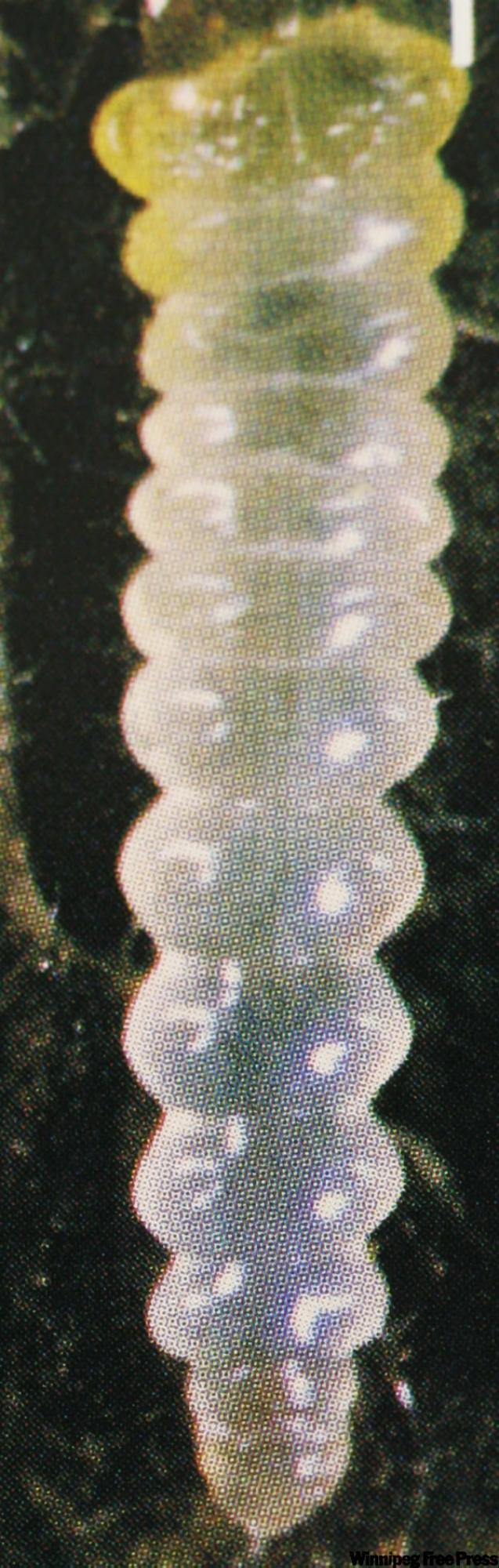
The willow leaf blotch miner's larvae are tiny caterpillars that eat the soft, green cell tissue between the upper and lower leaf surfaces (or epidermis). Laurel leaf willow is almost exclusively infested with this insect, but other willow species get attacked as well.
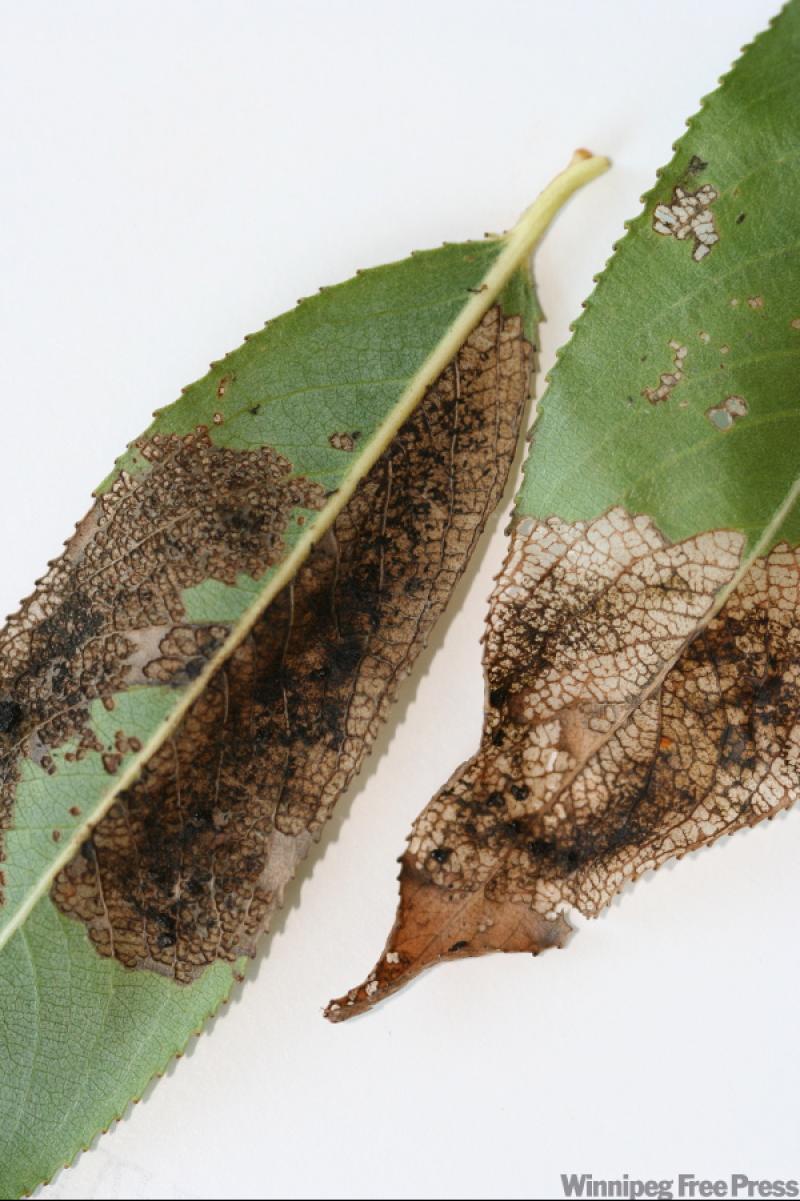
The miner leaves ugly blackish brown blotches on nearly every leaf of the plant (see photo). If the dried, paper-like surface is pried apart, a central row of fine black debris will be noted. This is the larva's excretion waste.
The damage is strictly cosmetic as the willow does not die or become seriously affected by the feeding. Valuable plants can be sprayed with dormant oil next April to smother the overwintering eggs.
Willow blight
This is a name usually given to two separate fungal diseases occurring on the tree at the same time. Separately, the diseases are willow scab (Venturia saliciperda) and black canker (Glomerella miyabeana). On occasion, I see the two diseases together on willow but, in southern Manitoba, black canker appears to be the more common variety.
Willow blight has been showing up in residential properties and parks more commonly with each passing year. In most willow trees I have examined, the black canker component of the disease has been present to varying degrees of activity.
Golden willow varieties, pussy willow and the indigenous peach leaf willow are particularly susceptible to this disease. I have not seen the problem occurring in willow shrubs except the taller indigenous shrub, Bebb willow. Silky leaf willow is known to get the blight infection but it is rare to see the disease present in these trees. Silky leaf willow is commonly planted on residential properties as an ornamental tree.
Both the leaves and twigs are affected. Young leaves turn black and wither early in the spring. When the Venturia component of the blight is present, the upper part of the twig curls into the shape of a 'shepherd's crook'. With black canker, the twigs become blackened and the twig can be a red-orange colour in the transition zone between a healthy twig and a fully diseased twig.
Wet summers such as the one that occurred this year are favourable for the widespread development and spread of this complex disease. The fungus causes the twig to open up in distinct spots called lesions, which can be seen in the illustration.
Often I see another less-common disease of willow associated with willow blight symptoms called willow anthracnose (Marrsonina salicicola). The presence of multiple diseases in susceptible willows causes them to lose their aesthetic characteristics and die quicker.
Willow blight damage is usually most severe on the lower portions of the tree. Trees are killed with reoccurring severe attacks. There is no fungicide treatment for this disease.
Some literature I have seen on this disease advocates spraying a dormant lime sulfur fungicide on the tree before the buds open. April is the best time to spray this product. This fungicide will certainly kill surface-growing fungal spores on the twigs, but it will not reach any fungi that are growing internally in the tree. If you do this yourself, be sure to follow the safe-handling instructions.
Michael Allen is a consulting urban forester and certified I.S.A. arborist and owner of Viburnum Tree Experts. He makes house and garden visits to assess tree and shrub problems. He can be contacted by calling 831-6503 or by email at viburnumtrees@shaw.ca You can also mail questions to Michael Allen, c/o Newsroom, Winnipeg Free Press, 1355 Mountain Ave., Winnipeg, MB, R2X 3B6. Visit his website at www.treeexperts.mb.ca