Manitobans know a thing or two about weather.
This year alone, southern Manitoba has seen tornado warnings, powerful thunderstorms with damaging winds, flooding rains, large hail and power outages. From blustery winter evenings to muggy summer nights, our homes are where we ride out those changing conditions.
More families are starting to ask a new question about their next build: not just “how much will it cost to heat and cool” but “how comfortable, healthy and resilient will this home be when the weather turns severe — and how will it feel for our family every day?”
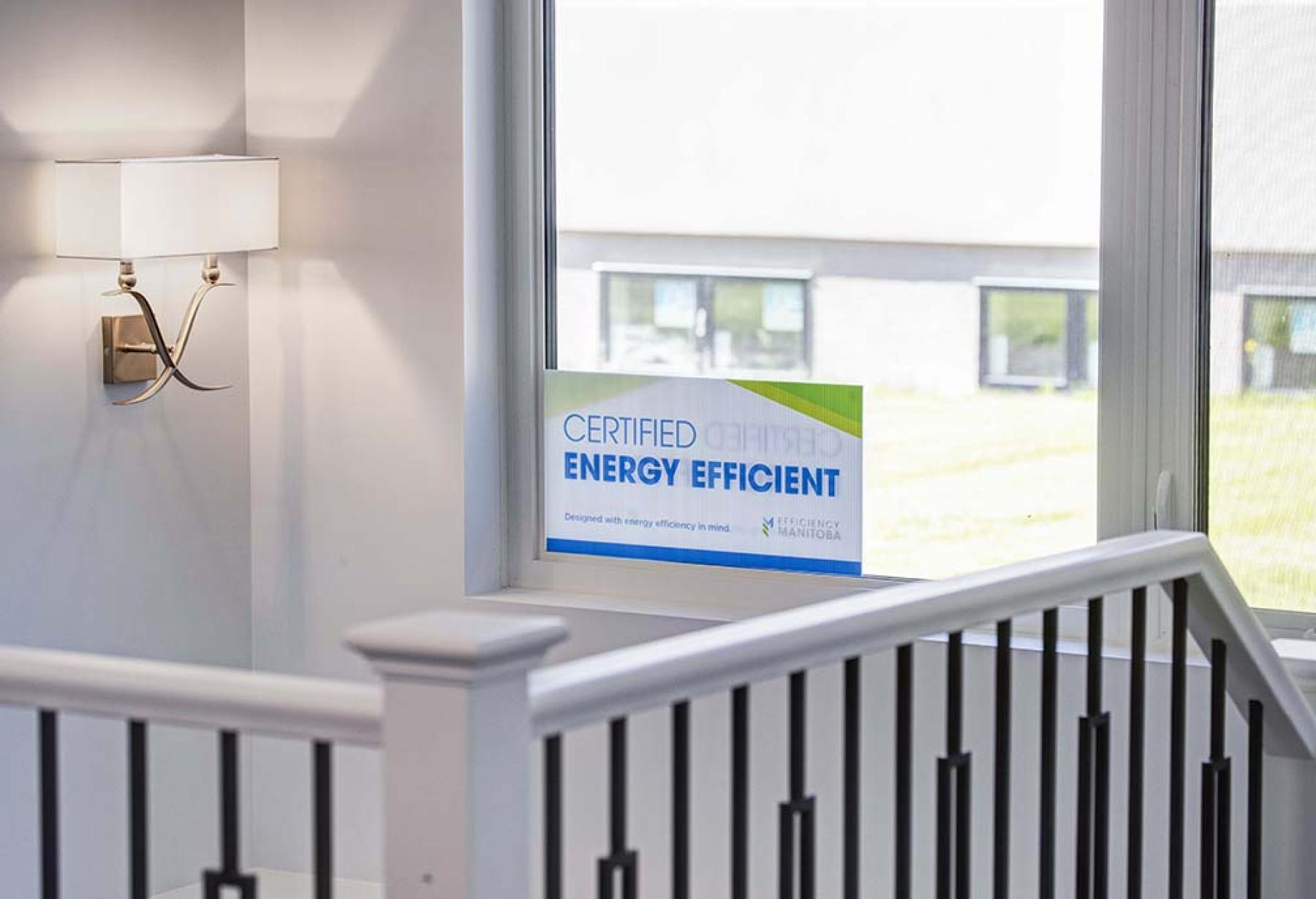
Certified Energy Efficient homes built through Efficiency Manitoba’s New Homes Program aren’t only designed to use less energy than typical new construction. They’re designed as whole systems that keep temperatures more even, air fresher and families better protected when conditions outside are far from ideal.
Energy efficiency: More than just lower bills
At the heart of a Certified Energy Efficient home is a better performing building envelope: higher levels of insulation, careful air sealing and quality windows that reduce heat loss, drafts and temperature swings compared to a typical code-built home. In a climate with huge seasonal differences, keeping conditioned air inside and unwanted outdoor air out is a big part of controlling energy use.
Efficient envelopes and properly sized heating systems help keep bedrooms at a steadier temperature on cold winter nights, making bedtimes and early mornings more comfortable for kids and parents alike. When insulation, airtightness and moisture control are done well, basements and playrooms feel more inviting year-round, giving families more usable space without cold floors and chilly or stuffy corners.
Homes in the New Homes Program are energy-modelled and tested so builders can see how choices such as wall systems, window packages, mechanical equipment and airtightness affect overall performance before the house is built. That performance shows up on the utility bill, but it also creates a more stable indoor environment that’s easier to keep comfortable and gentler on heating and cooling systems.
The weather events of this past season have also underscored the importance of resilience. A Certified Energy Efficient home with a well- insulated airtight envelope and high-performance windows slows the rate at which indoor temperatures change when the power goes out or equipment is pushed hard. In winter, that means the home stays warmer for longer. During summer heat waves, it means less unwanted heat sneaking in, so the inside stays more comfortable and safer for the family.
Real homes, real choices: Two paths to comfort and resilience
Energy efficiency and resilience don’t have to be all or nothing. This year’s Fall Parade of Homes includes many Certified Energy Efficient houses that show different ways families can build for comfort, health and severe weather. Here are two specific examples:
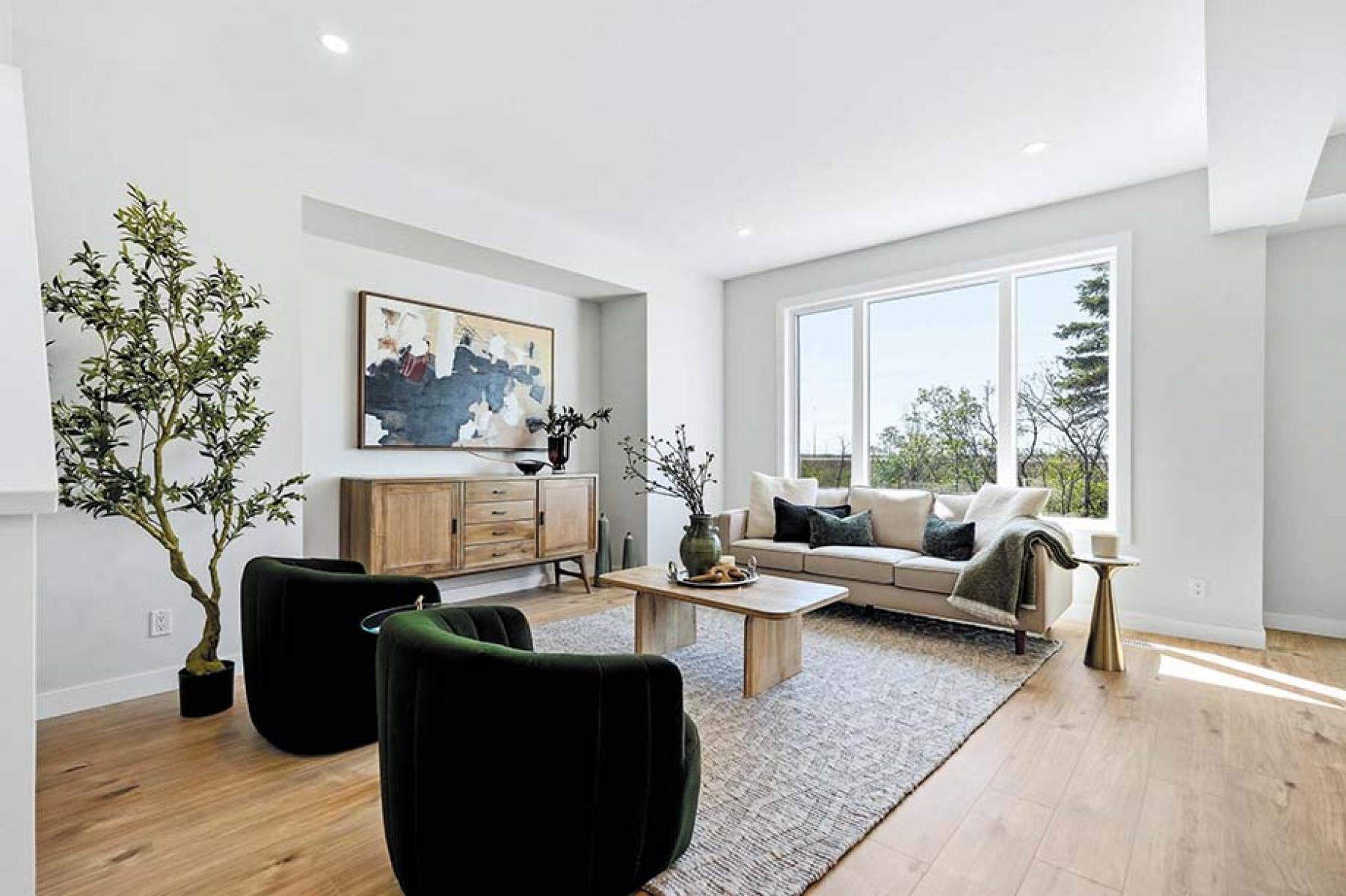
At 141 Yolande St., Kensington Homes showcases its Gold Efficiency Package alongside certification through Efficiency Manitoba’s New Homes Program. This home achieved an impressive performance of 64.4 per cent better than a typical new home built to code minimums. Triple-pane, dual-low-E windows and increased insulation throughout the house help even out indoor temperatures and reduce cold spots near exterior walls and glass. Insulation under the basement slab pushes that comfort into the lower level, making it a more inviting space for kids to play and families to spend time year-round.
Another aspect of this incredibly efficient and resilient home is its highly efficient heating, cooling and ventilation equipment. A cold-climate air source heat pump provides efficient heating and cooling, while a two-stage furnace provides backup heating on the coldest winter days. Together, they maintain consistent comfort across a wide range of outdoor temperatures and help the home use less energy to keep the family comfortable. A heat pump water heater and drain water heat recovery coil further reduce the energy needed to provide hot water — smaller savings that add up over decades in a house built to last.
To help families understand and finetune their energy use, 141 Yolande also includes an energy monitoring system. Homeowners can see how and when their household uses energy and spot opportunities for improvement. Combined with the home’s solar-ready design, it gives future owners a clear path to further reduce reliance on the electricity grid if they choose to add solar panels down the road.
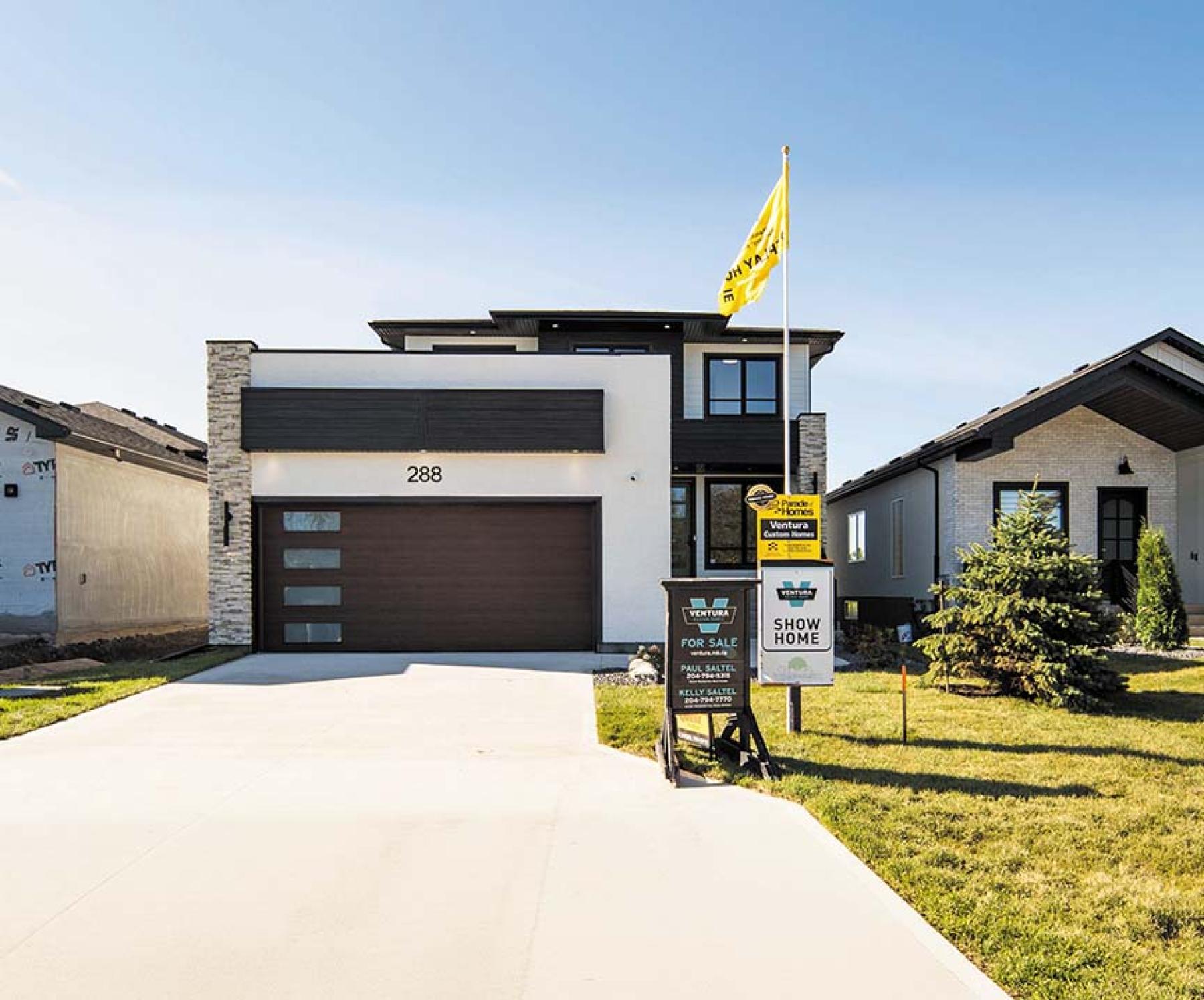
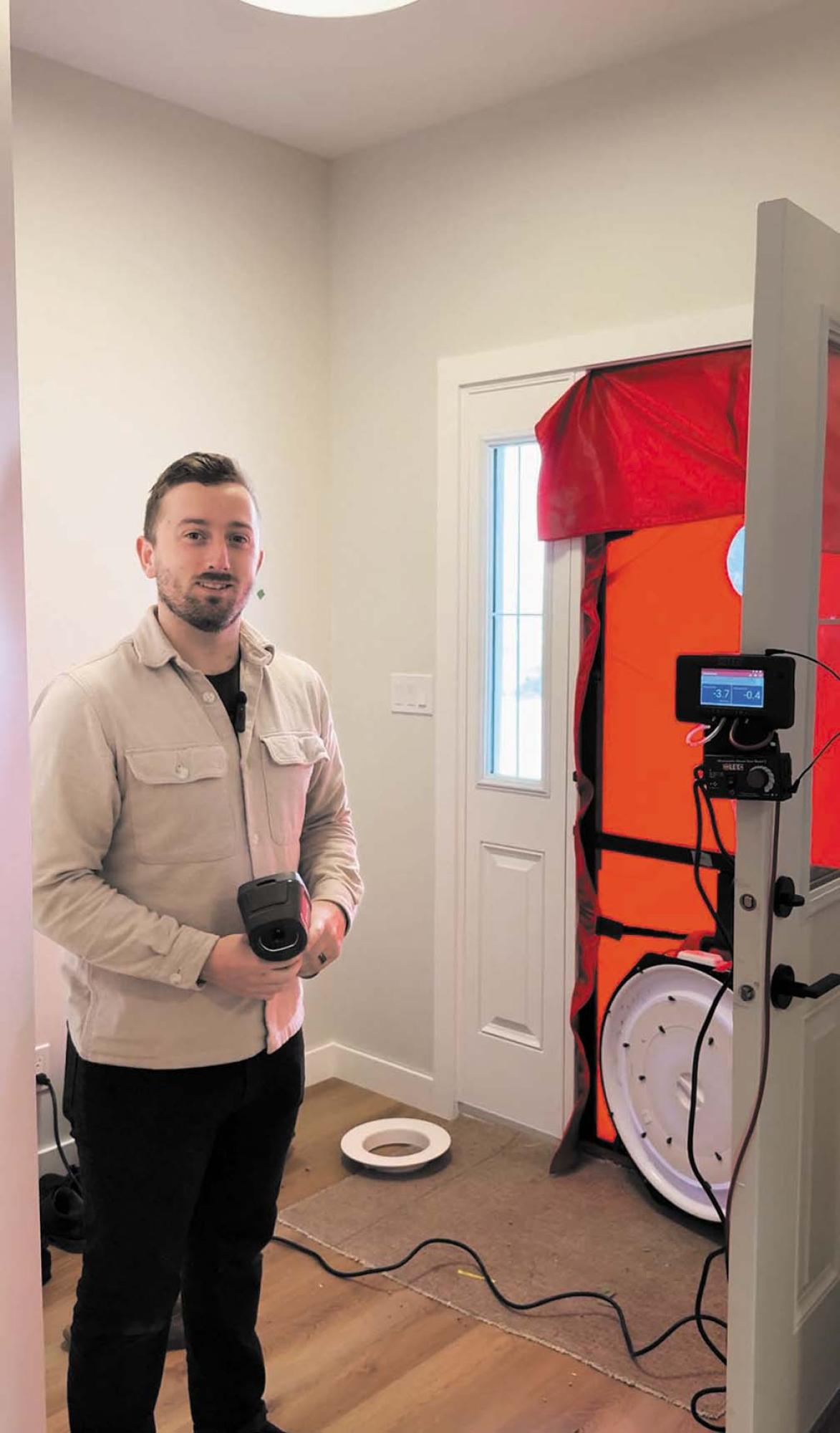
At 288 Masters Ave., Ventura Custom Homes focused on a smaller-scope efficiency package with modest upgrades that still deliver meaningful benefits. The home performs about 30 per cent better than a minimum code-built house, thanks in part to excellent airtightness. Airtightness, in a nutshell, refers to how well the exterior building envelope prevents uncontrolled air leakage through gaps or cracks. In this case, the home achieved 0.95 air changes per hour compared to the Canadian standard of 2.5 ACH for single-family homes. Lower air leakage means heat and cold move more slowly through the walls, ceilings and floors, which helps keep temperatures more even and reduces the amount of moisture travelling through the building enclosure. For families, that translates into fewer drafts and a lower risk of condensation.
Orientation matters, too: south-facing rear windows bring in more natural heat on sunny days so the furnace doesn’t have to work as hard to keep the home warm. It’s a good example of how thoughtful design and modest upgrades can still create a home that out-performs a basic code-built house.
Together, these two homes show that whether you go all-in on efficiency or choose a more modest set of upgrades, you’re investing in a home that feels better to live in and is more resilient to Manitoba’s storms, outages and long winters. And because both show homes are open to visitors during the Fall Parade of Homes, families can experience these features in person — walking through the spaces, talking to the builders and deciding which path fits their own needs and budget.