Finding a place to call home is a heartbreaking struggle for many Canadians as the housing crisis lingers. Although Manitoba has a reputation as one of the more affordable markets in the country — especially compared to Ontario or British Columbia — the province is not immune to the barriers both buyers and builders face.
Costly materials, supply chain slowdowns and high labour costs are, of course, as prevalent here as they are in most other jurisdictions across Canada and the globe itself. But Manitoba has its own set of obstacles.
“We’ve been faring pretty well, especially when you look at what’s been happening in other markets,” says Lanny McInnes, president and CEO of the Manitoba Home Builders’ Association, a non-profit trade association that educates its members, the public and all levels of government about the province’s housing industry.
“We have our own challenges as well.”
Uniquely Manitoban hurdles include a need for more growth enabling infrastructures, bureaucratic roadblocks such as zoning restrictions and dated permit requirements, and NIMBYism — an acronym, Not in My Back Yard, that refers to residents who are opposed to development in their neighbourhoods.
Thankfully, McInnes does have some suggestions for resolving these issues — and has hope that many solutions are already in the works.
The City of Brandon, for example, invested $50.3 million in water and wastewater infrastructure in its 2026 budget to pave the way for more housing. In Winnipeg, McInnes says the MHBA supports the need to have all three levels of government contribute and commit to completing a much-needed upgrade of the North End Wastewater Plant.
“That has to be a key infrastructure investment allowing both our population and our economy to grow.”
In terms of addressing bureaucratic barriers, McInnes says positive work has been taking place for the last few years that will pay dividends in terms of making it easier to build housing.
For one, the Housing Accelerator Fund, a $4.4-billion Government of Canada initiative, kick-started a lot of the work that municipalities were already looking at. Winnipeg has also removed unnecessary requirements for development permits and launched a comprehensive rewrite of its zoning bylaw that will modernize the bylaw for stability and clarity as to what can be built and where.
“Within the city, that’s going to be very helpful as we move forward and address some of the bureaucratic barriers and hoops that builders and developers go through in order to build what the market is needing,” McInnes says.
Even when the seemingly most significant requirements for new home builds are met, there’s always the chance the impending developments will be met with criticism from neighbouring residents. That’s why MHBA members ensure transparent conversations are had even before their initial applications go in, McInnes says.
“I think it’s understandable that change can be something that people are apprehensive about and unsure of. Our members, especially when it comes to infill development, go above and beyond to talk to the neighbouring residents to inform them of what’s being proposed and discuss their concerns. Sometimes it’s just a fear of change and an apprehension of what possibly could happen,” he says.
“We understand that, and you will never satisfy everyone’s concerns, but having that communication with the residents of that neighbourhood is a key piece and our leading members who do work in that area make sure it’s a component of the work that they do even before an application goes in on a project.”
Even as Manitoba’s housing situation continues to evolve, there are many areas of growth to celebrate. McInnes says there’s been an increase in rental properties being built — including government-subsidized units — along with larger scale multi-family units. Meanwhile, single-family detached construction continues to be stable and increasing at a consistent pace.
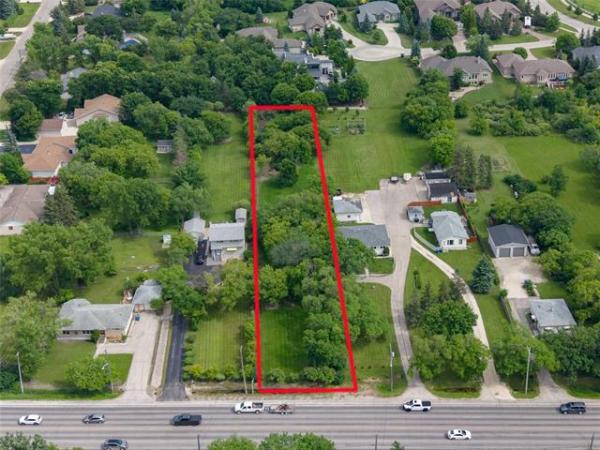
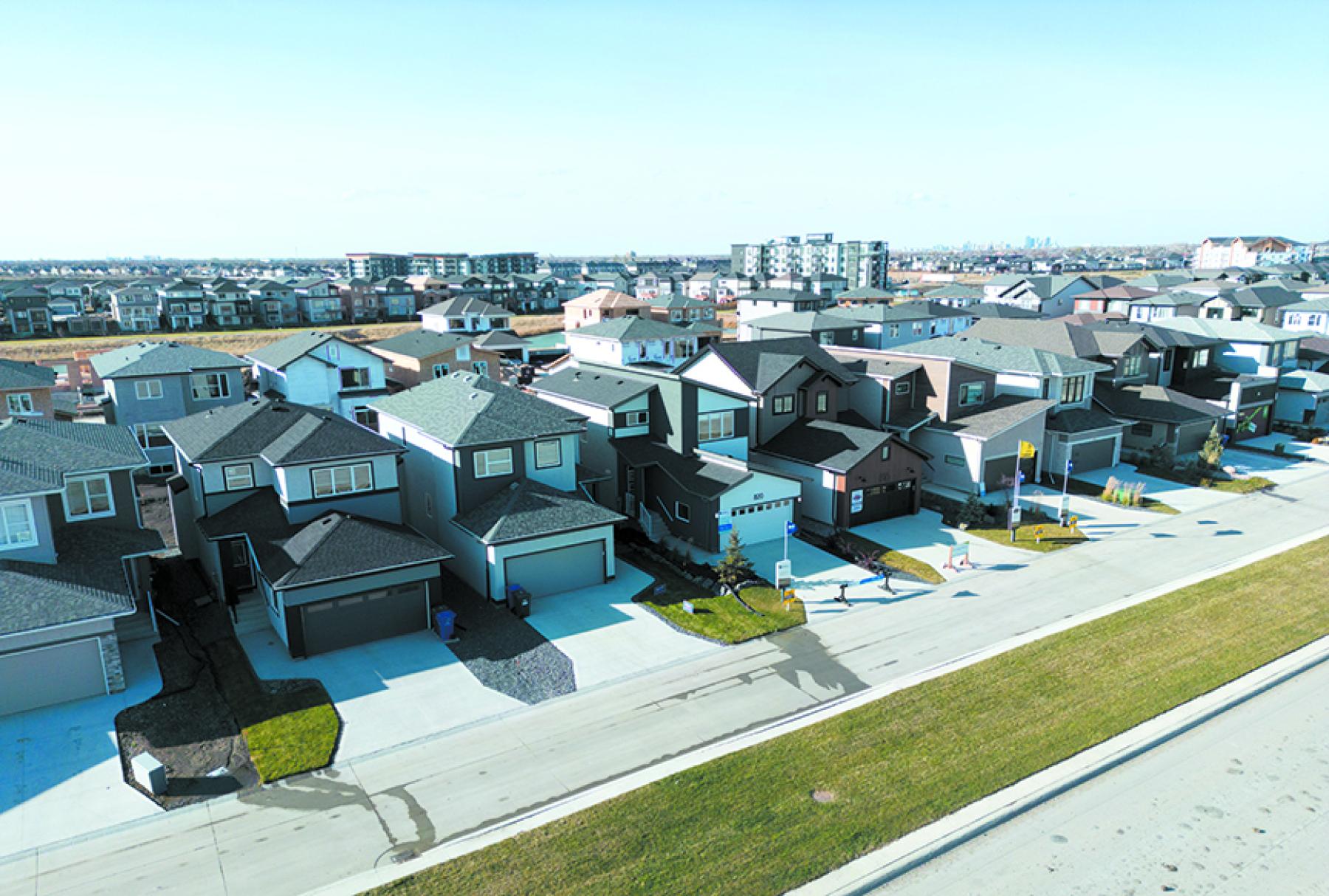
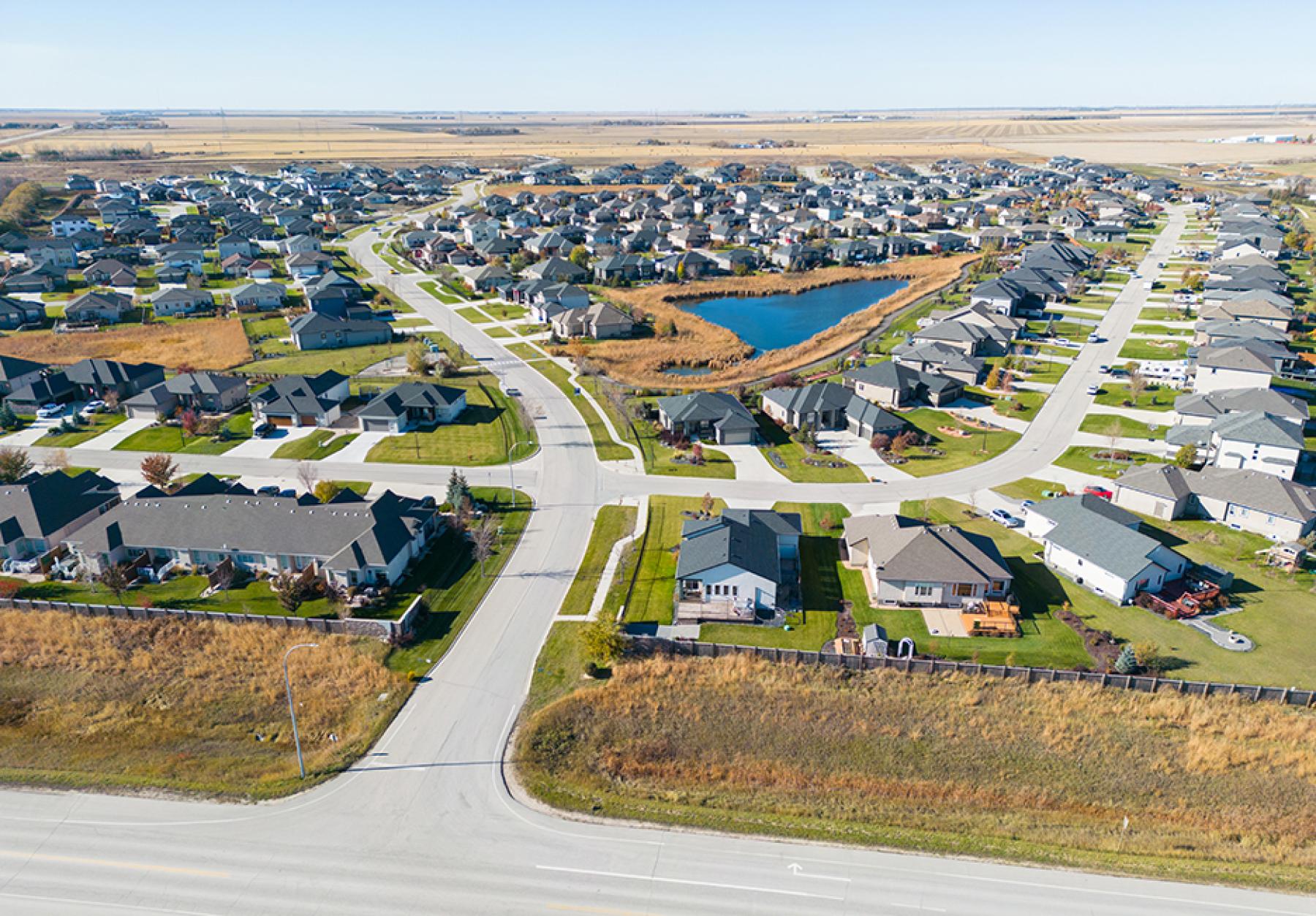
Greenfield development communities tend to be the most visible of the bunch, as they pop up from scratch (and seemingly out of nowhere), but McInnes points out the number of housing units built in Winnipeg’s established neighbourhoods is higher than the number of units built in new areas. The City of Winnipeg has a target that 50 per cent of new housing is to be built within established parts of the city and continues to exceed that target every year.
“Winnipeg is growing up just as much — if not faster — than it’s growing out.”