PHOTOS BY Colleen Zacharias / Free Press
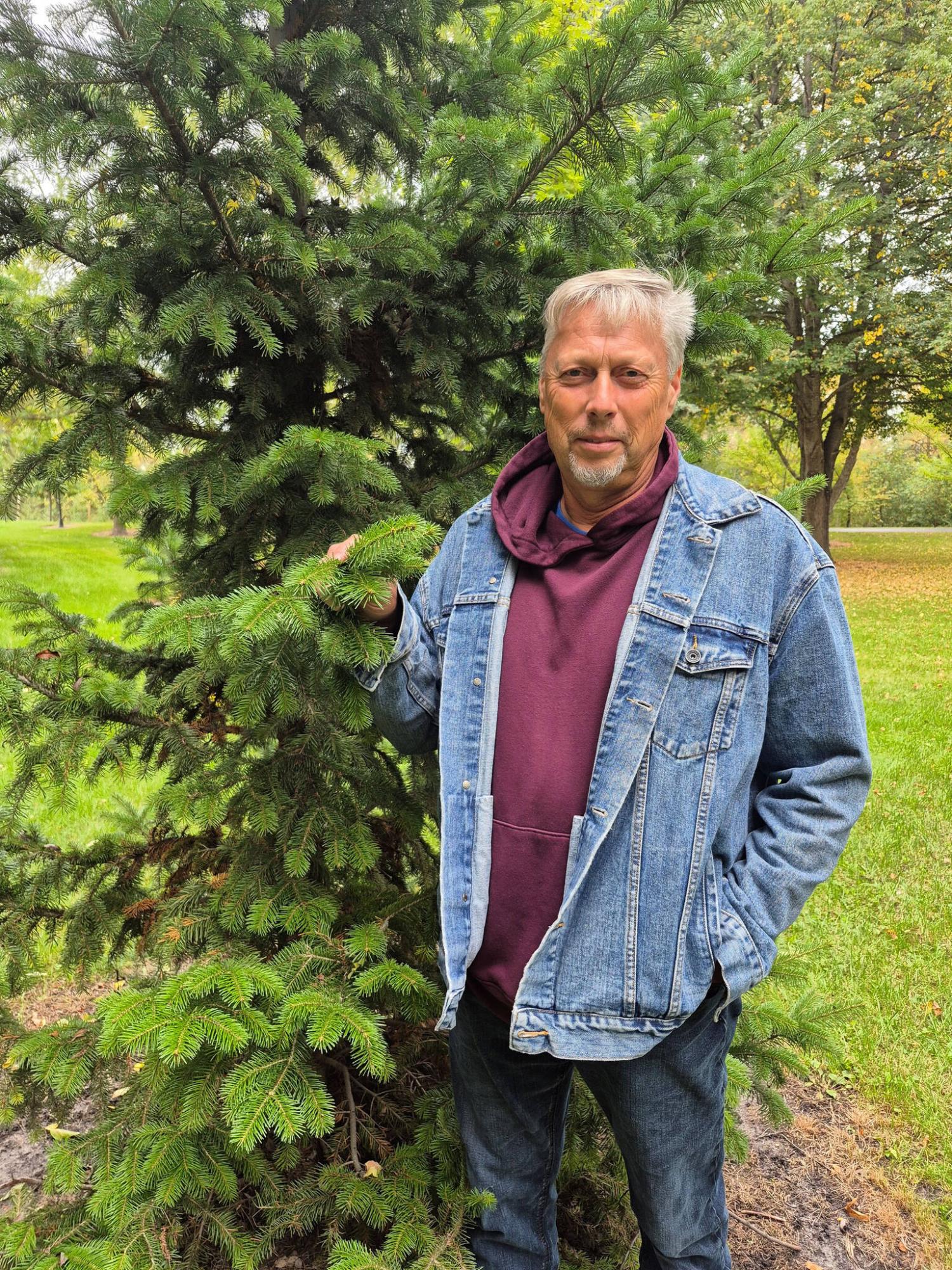
Sheldon Falk shows off a Siberian Fir, a hardy evergreen featuring glossy, bright-green needles that are soft to the touch.
Rick Durand photo
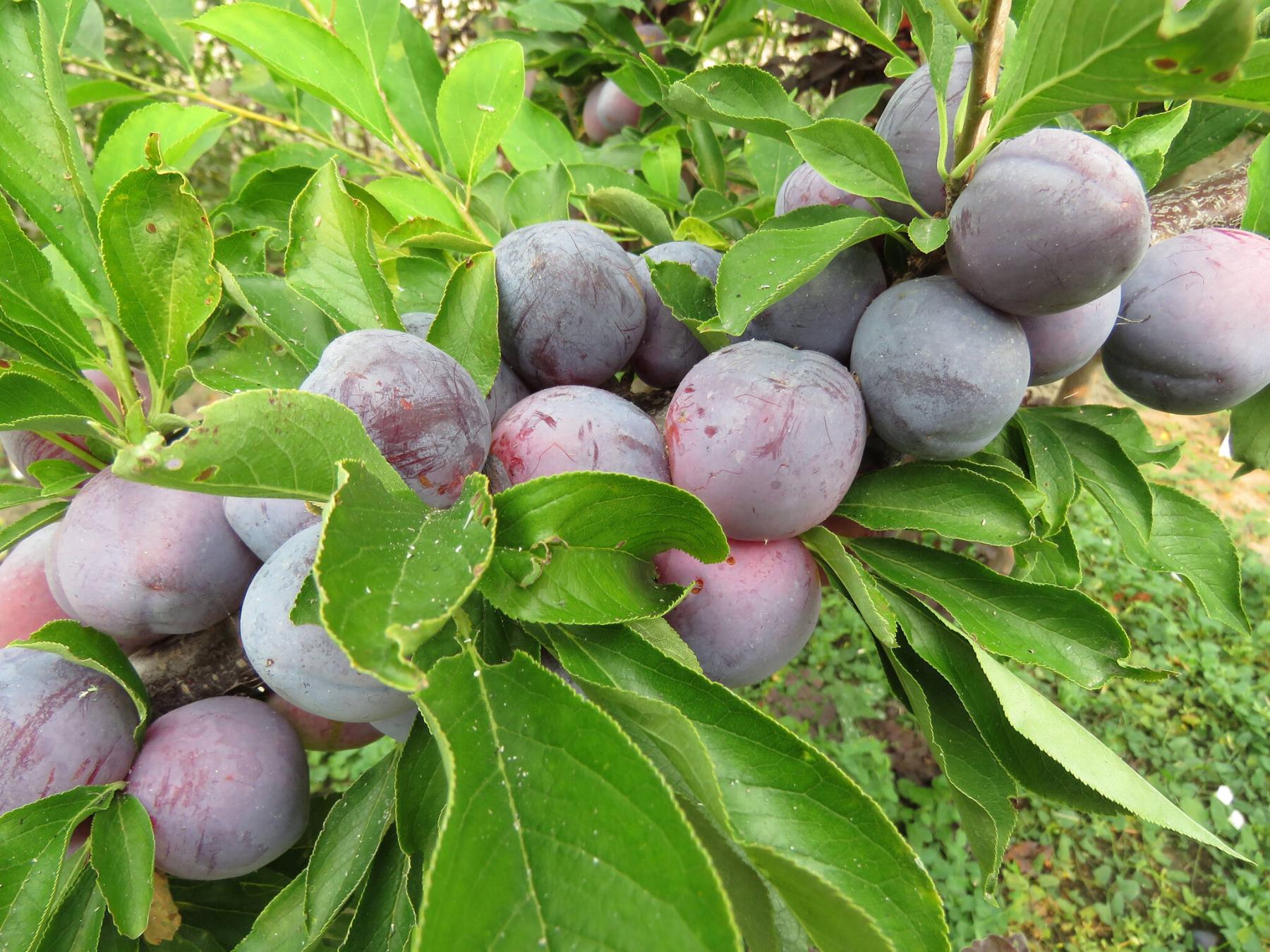
This delicious new introduction, Cheeky Plum, bred by Rick Durand, is one of the many fruit varieties grown by Sheldon Falk.
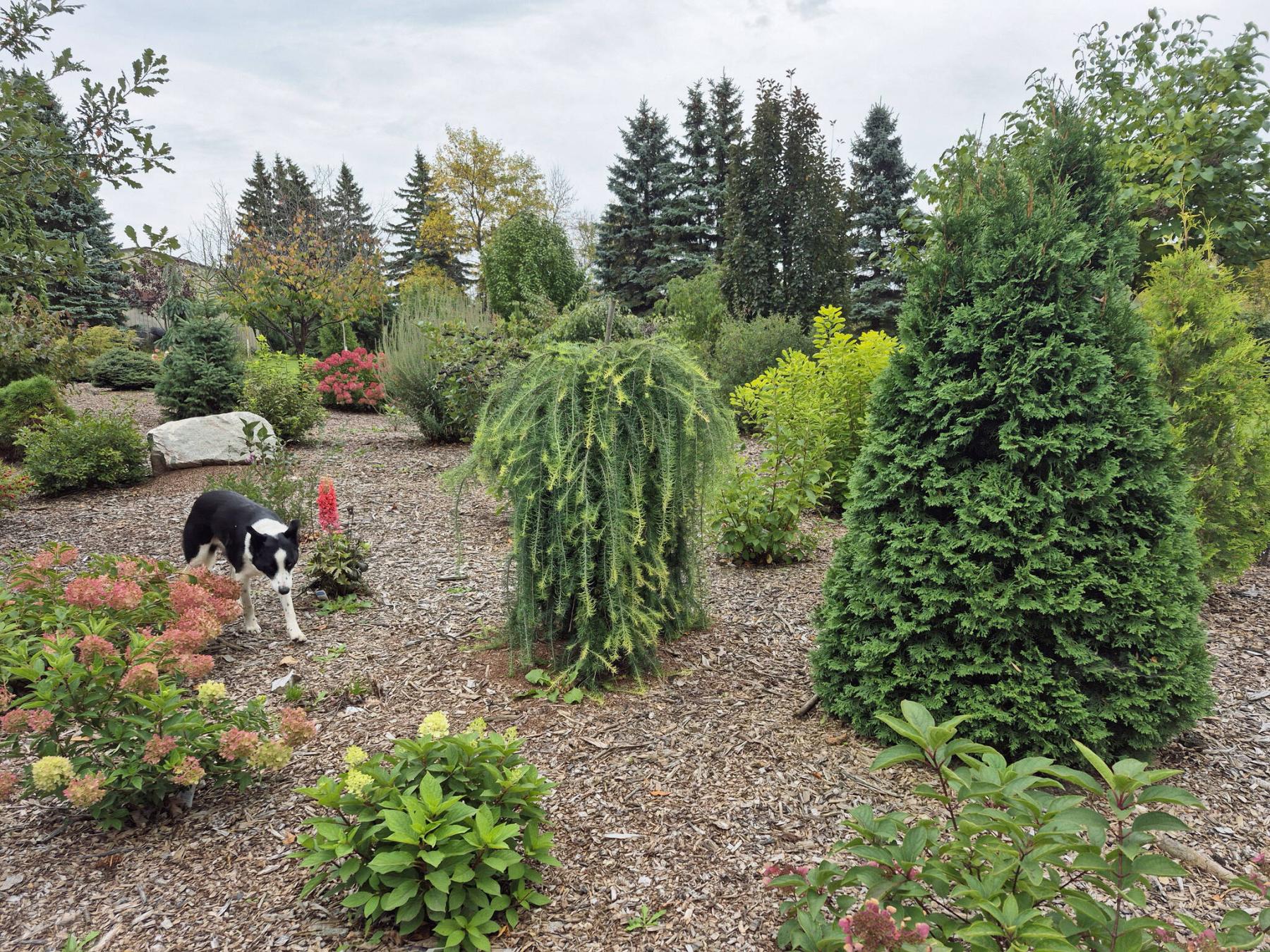
Presentation is everything. Here, the cascading form of Weeping Larch contrasts beautifully with the upright shape of Baby Bear Cedar.
Colleen Zacharias / Free Press
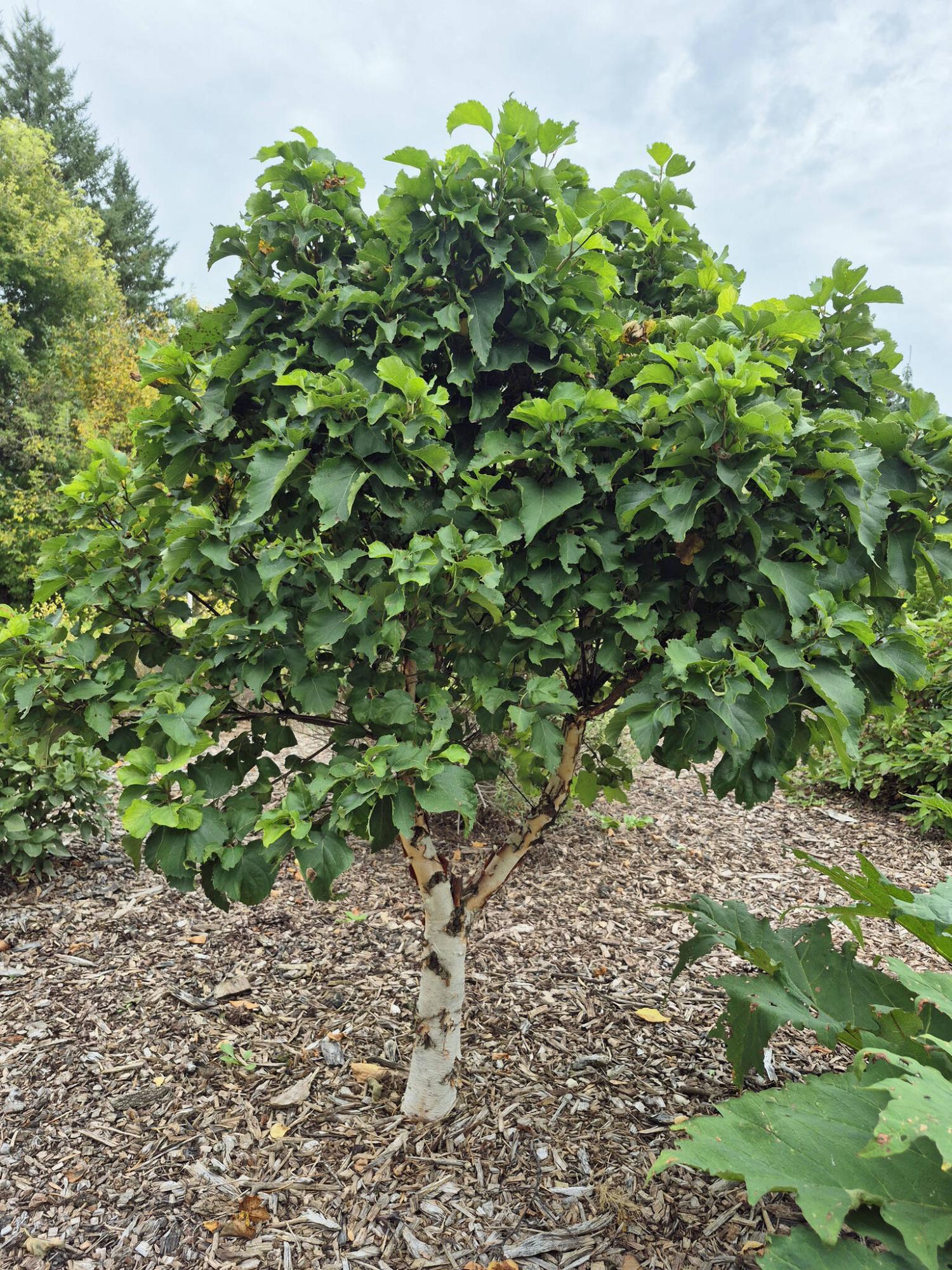
Want to try something different? Cinnamon Curls Dwarf Korean Birch (developed at NDSU) is ultra-compact with peeling cinnamon-coloured bark.
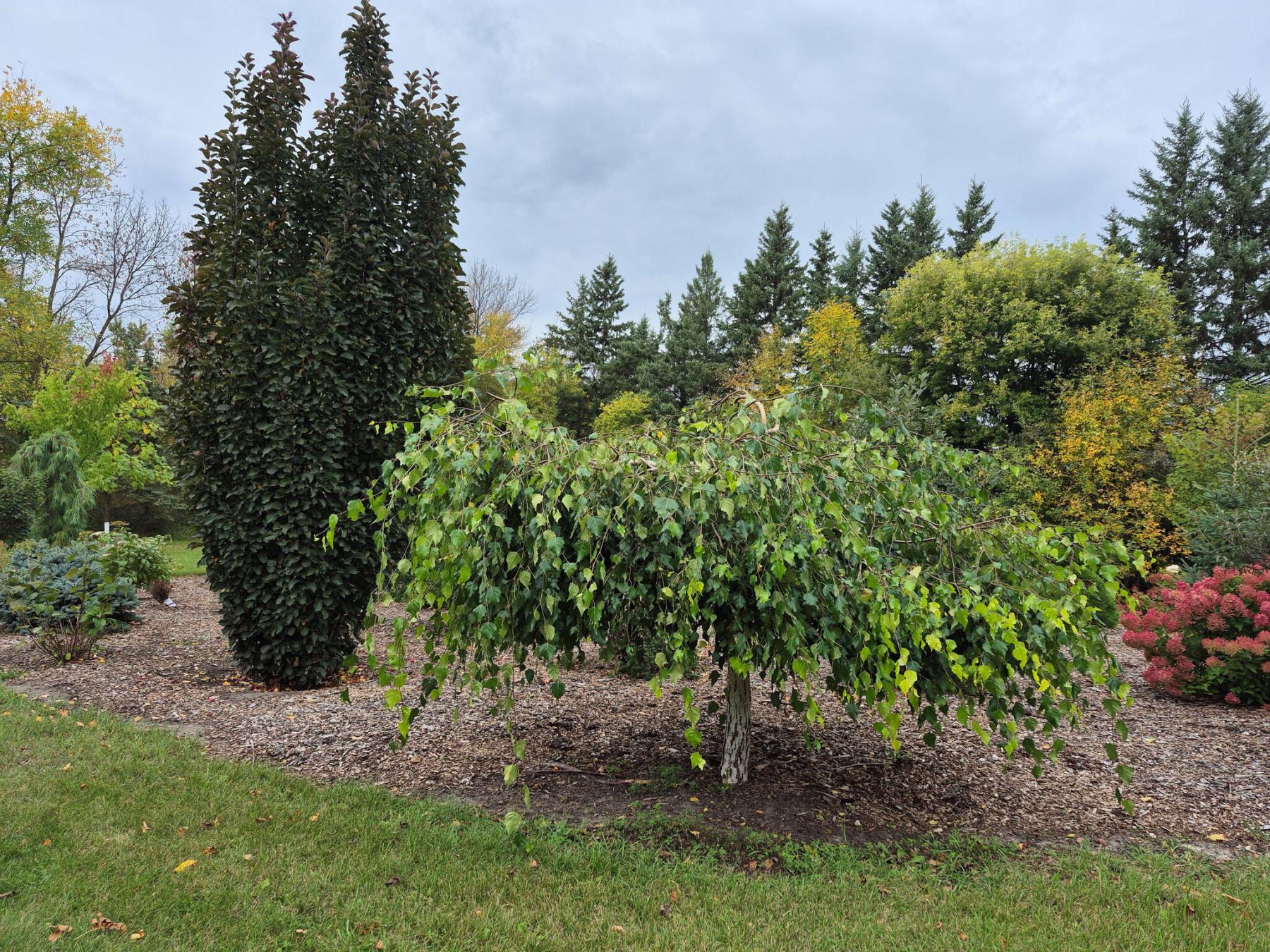
Purple Spire Flowering Crabapple (left) makes a bold textural statement next to the dome-shaped form of Young’s Weeping Birch.
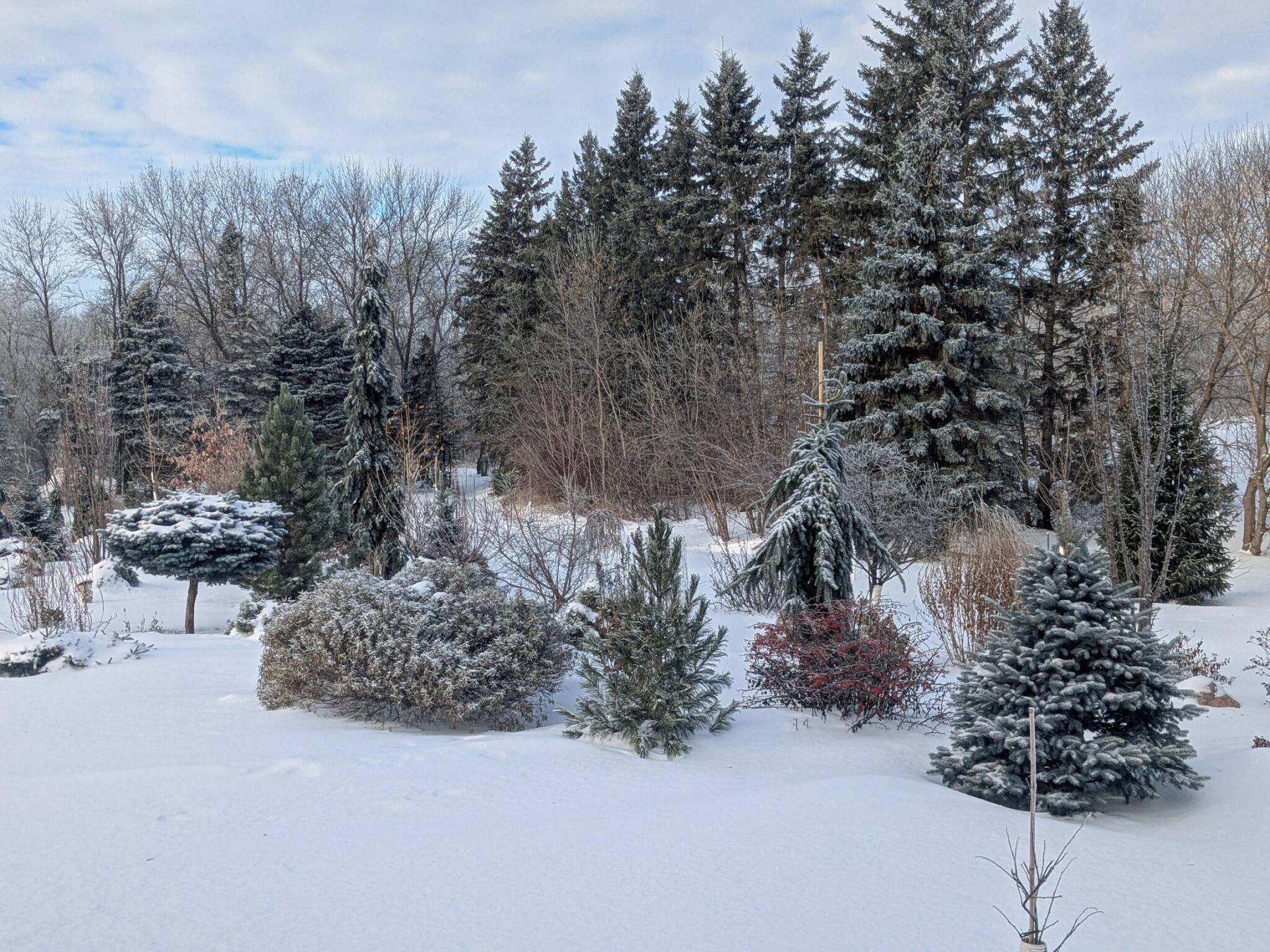
Whatever the weather, make sure to choose woody plants with unique characteristics to beautify your landscape.
Visitors to Falk Nurseries located in New Bothwell, a short drive southeast of Winnipeg, can tell at first glance that trees are a central focus at this busy family-owned nursery. Diverse tree specimens have been planted and labelled throughout the attractive landscape so customers can readily identify individual species and assess their characteristics at maturity.
Sheldon Falk, owner of Falk Nurseries, is invested in growing and studying trees as well as shrubs. Early in his career he had a wish list of trees that could grow in our cold climate. Over the years, Falk has made it his mission to visit numerous arboretums and research stations across Canada and in the northern United States. His passion for reading, coupled with friendships with notable tree breeders, has fuelled his research knowledge. Today, Falk’s collection of trees comprises over 200 varieties or species — 600-800 trees in all.
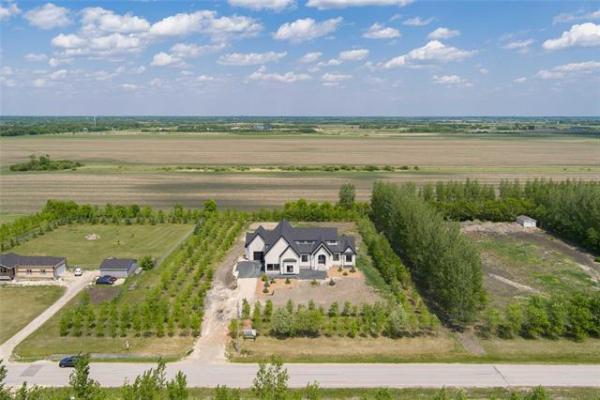
But the testing ground for this vast collection of trees is not at Falk Nurseries, but rather on his private property near Grunthal which he shares with his wife, Cynthia. It’s a stunning 15-acre property with a creek running through it. A long driveway, flanked on either side by majestic trees, at first conceals the house from view but then opens onto a broad and leafy vista over a gently rolling terrain.
A tree and shrub bed in front of Falk’s house was my first introduction last fall to the intriguing diversity of plant material Falk enjoys experimenting with. My eyes were immediately drawn to a beautiful specimen of Tea’s Weeping Mulberry with deeply lobed, dark-green foliage on cascading stems.
“Do you sell these at the nursery?” I asked, eager to plant one in my own yard. No, Falk replied. “I brought in four from Sester Farms, a wholesale plant nursery in Oregon, to see if they were hardy here. Each one has varying degrees of happiness because wherever there’s wind, they’re not happy. There’s a lot of deadwood in the spring but they flush out a few feet of new growth every year and recover nicely.”
The front-yard bed also includes Weeping European Larch, American Dwarf Ginkgo with its iconic fan-shaped leaves, and the tall, narrow shapes of Weeping Norway Spruce and Taylor Juniper. Even a brief glimpse at just some of the plant material Falk grows reveals his deep interest in the visual and tactile qualities of various trees and shrubs, but primarily their hardiness.
Falk clearly enjoys experimenting and pushing the boundaries of what can be grown in our Zone 3B climate, but he’s playing the long game. Many of the hundreds of different species he has planted are carefully evaluated for 10 years or more and only the most successful ones are offered to his customers at Falk Nursery.
To view the rest of the property, we hopped onto a golf cart for an exciting journey. Amigo, Falk’s loyal herding dog (part Blue Heeler), joined us for the tour.
Falk says the long list of unique tree species he has been able to successfully grow has transformed his property into a delusion of living in Zone 4. Without listing them all, here are just some of more novel tree species in this nurseryman’s collection, including several different cultivars for each one: sugar maples, Norway maples, Freeman maples, Cut-leaf Silver Maple, Gingko, Honey Locusts, purple-leaf plums, Chinese and Northern Catalpas, Kentucky Coffee trees, American Sycamore, Ohio Buckeye, Northern Pin Oak, butternuts, black walnuts, Bitternut Hickory, American Hornbeam Blue Beech, European White Elm, Northern Empress Japanese Elm, purple-leaf birch and Bebb’s Oak.
Falk also grows numerous fruit trees including apple, plum, apricot and sour cherry. There are several columnar trees as well as trees with cascading branches, including the gracefully dramatic Salix babylonica Lace Weeping Willow. A fast-growing, seedless willow that matures to 12-metres tall and wide, Falk Nurseries was the first retail nursery in Manitoba to offer this variety for sale. “It’s very hardy,” says Falk. “We’ve probably sold 10,000 locally.” An enormous specimen is planted on-site at the nursery.
A wide variety of coniferous trees also abounds on Falk’s property including White, Blue and Norway spruce trees, White cedar, White pine, Swiss Stone Pine, Ponderosa Pine, Red Pie, Serbian Spruce, Siberian Spruce and Siberian Fir. All are beautiful, but the Siberian Fir is outstanding. A narrow, pyramidal evergreen (21 metres in height, five metres wide), Siberian Fir features glossy, dark-green needles that are unexpectedly soft to the touch. “It’s a vigorous grower and can tolerate clay soil better than spruce,” says Falk.
But there is a much longer list of trees Falk is growing which fire up the imagination and encourage innovative thinking beyond the standard fare of what everyone else is growing. Take Cinnamon Curls Dwarf Korean Birch, for example. Developed in North Dakota where it was tested for several decades, this ultra-compact tree (two- to three-metres tall) has unique, peeling cinnamon-coloured bark with a white underside. A sheltered planting location is recommended.
A tour of Falk’s property also provides a look at hardy trees that will be newly available at garden centres this spring. One of them is Cheeky Plum (Prunus salicinia), developed by Rick Durand, a Prairie tree researcher and breeder. The delicious reddish-purple fruit with a sweet, dense (meaty) and juicy flavour grows along the stem in large numbers. Hardy to Zone 3, Cheeky Plum grows to a height of five metres and produces an abundance of white flowers in spring.
Falk’s plant collection is expertly displayed and the view is paramount. “You want multiple colours in spring, summer, fall,” he says. “You want height. The placement of plants should all collide in a pattern that is diverse and flows so you have depth perception. That is why the smaller, unique plant material is in the centre and then it builds up.”
Structure is also important. Falk contrasts upright shapes like Baby Bear Cedar with round or weeping forms such as Weeping Larch or columnar Purple Spire Flowering Crab- apple with the dome-shaped Young’s Weeping Birch.
When Durand visited Falk’s property a few months ago, he was astounded by the variety and number of Prairie trees, both known cultivars and research selections.
“These long-term tree-plantings will help confirm which research trees are suited to diversify our urban Prairie forest,” says Durand. “This is a treasure for Sheldon and his family, and for future generations.”
Falk finds beauty in every season whether it’s new flowers and fresh growth in spring, fall colour or persistent fruit and branch structure in winter. “All have unique characteristics,” he says. “You can’t force a tree to do what you want, but you use all its strengths to your benefit and to beautify your yard. Every species and variety has its needs, wants, strengths and weaknesses. Once you understand what a tree requires, it is much easier to accommodate.”
Falk plans to offer guided evening tours of his plant collection this year in July and September. Tree enthusiasts interested in joining one of the tours can email him at info@falknurseries.com.
colleenizacharias@gmail.com