Darwin Perennials photo
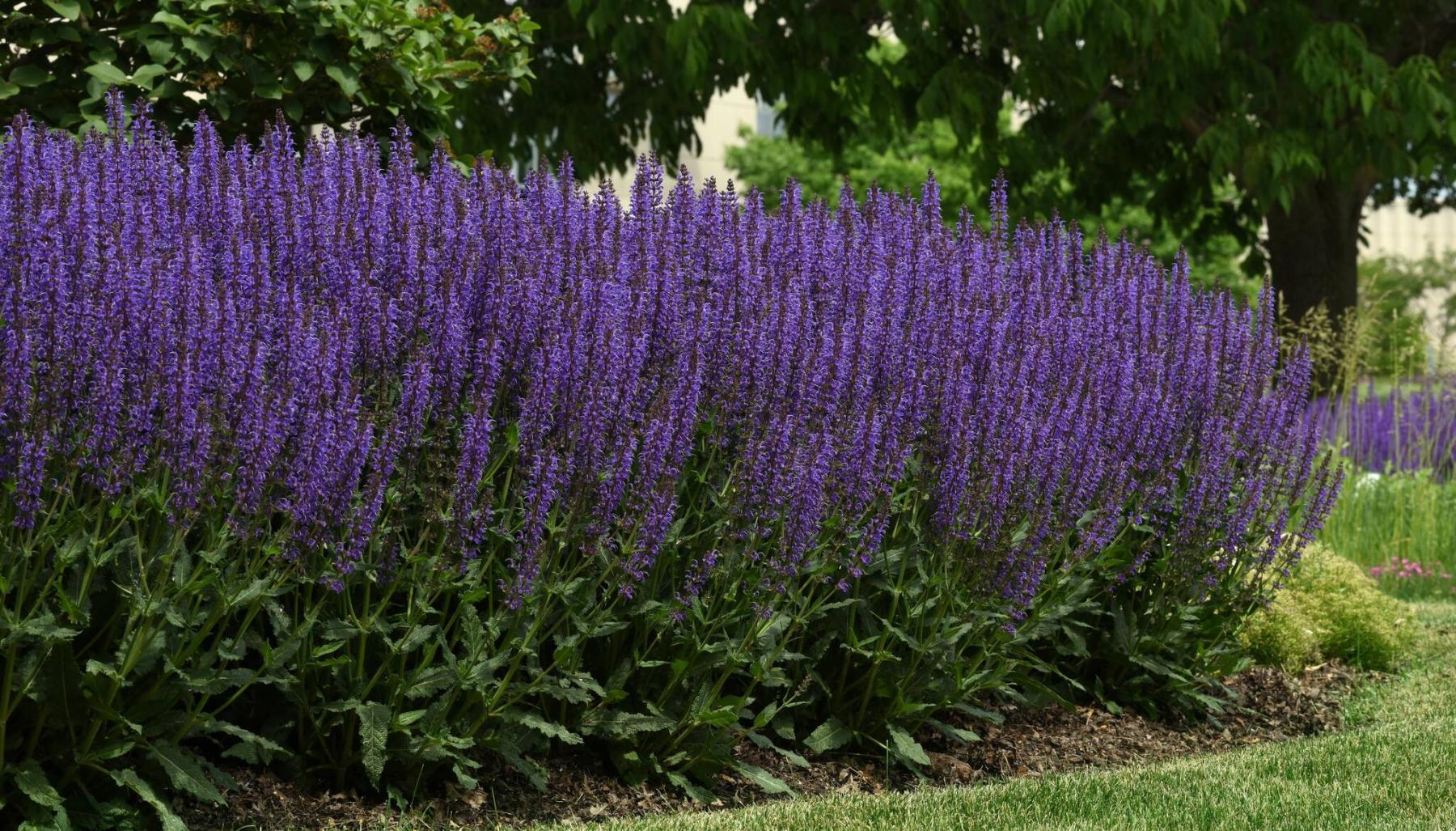
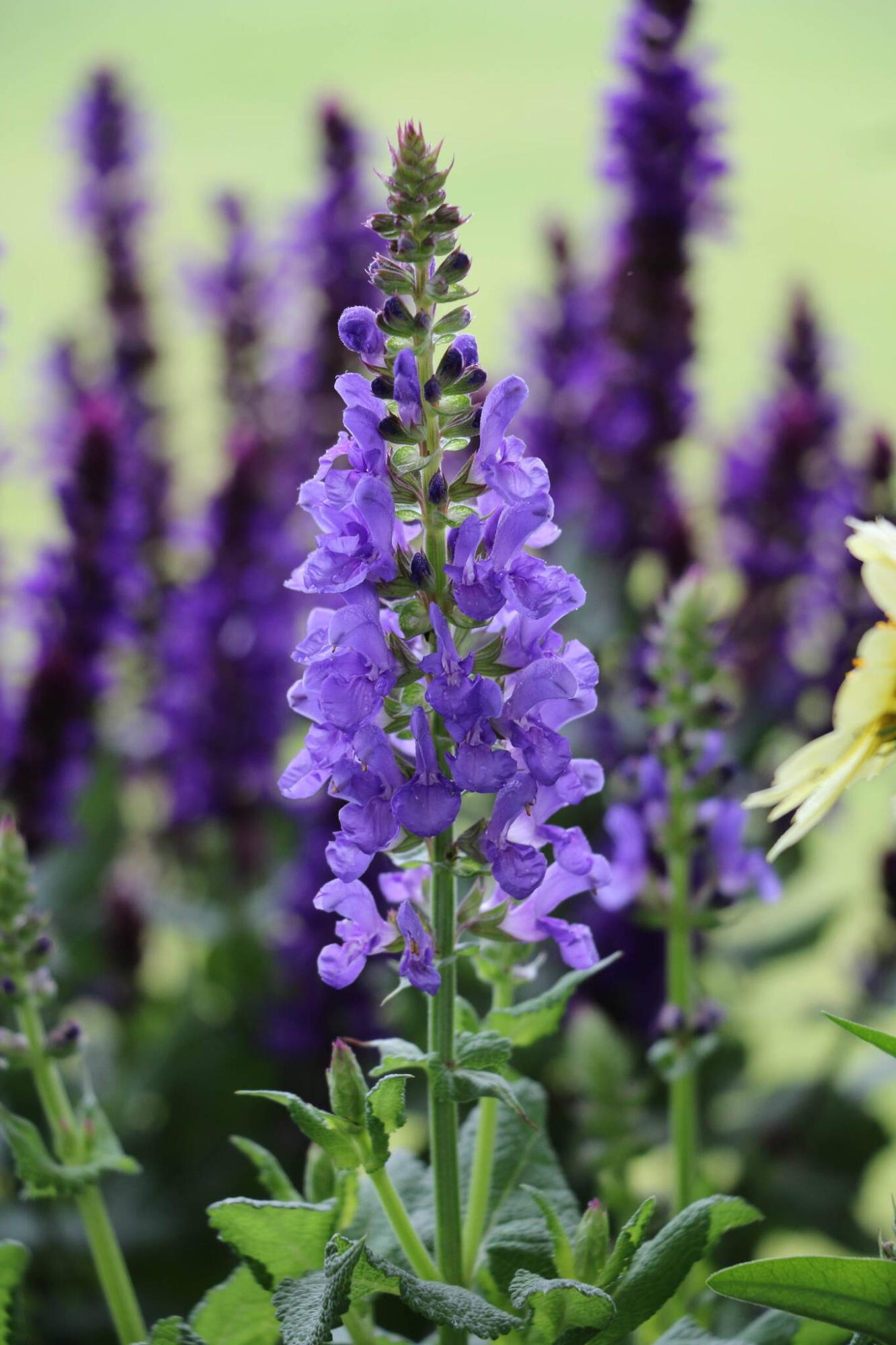
Salvia Blue by You has distinctive two-lipped flowers.
Darwin Perennials photo
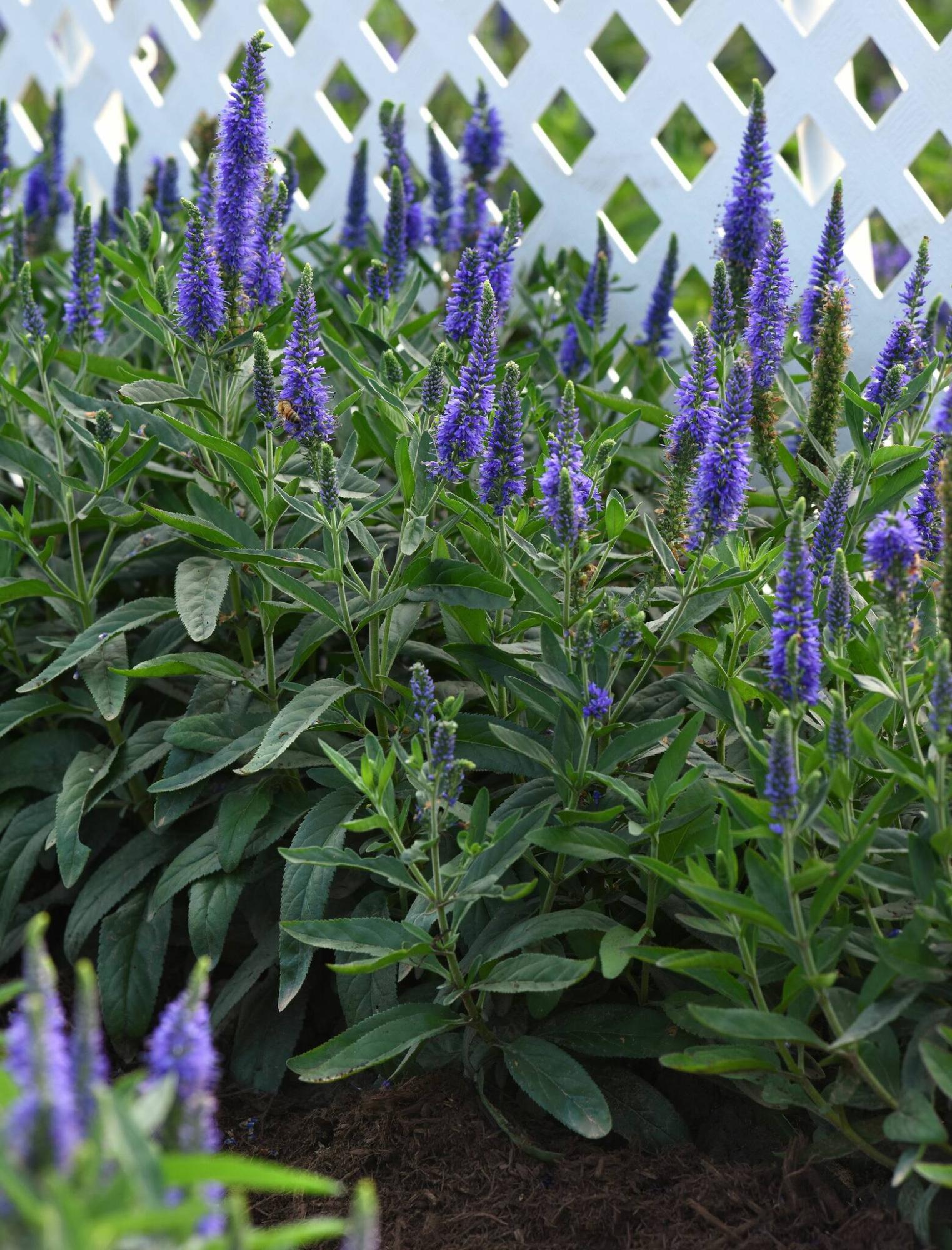
Veronica Skyward prefers even moisture and well-drained soil.
Leila Weger photo
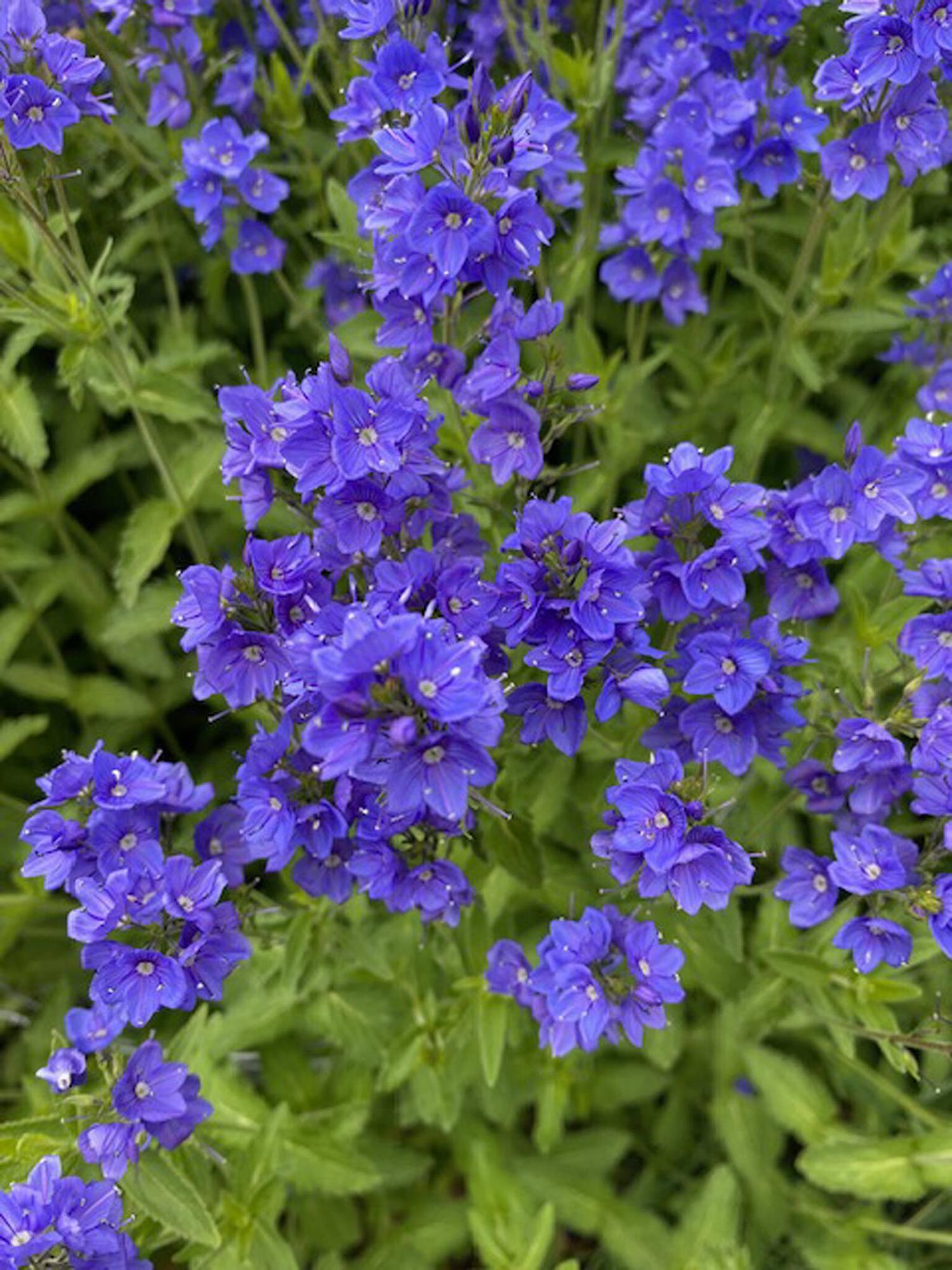
A vintage speedwell, Veronica Crater Lake Blue has a mounding form with tiny blue star-like flowers.
Colleen Zacharias photo
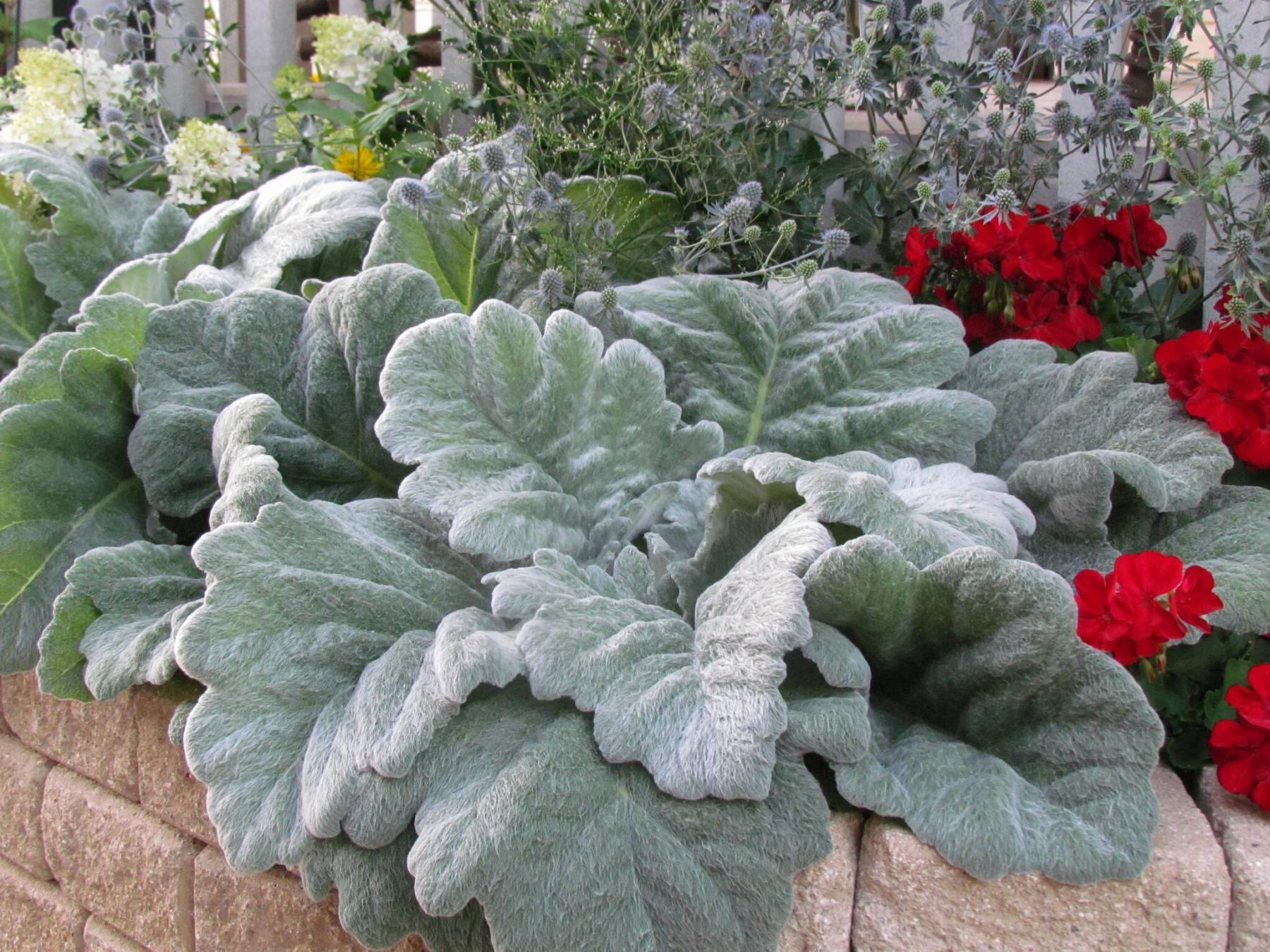
Surprise! I’m a Salvia, too. Salvia argentea Silver Sage boasts velvety soft foliage.
Salvia and Veronica speedwell are two of the most popular garden plants.
Both include varieties that produce dense, upright spikes of tiny purple or blue flowers and come in a range of colours and forms. Gardeners frequently confuse Salvia and Veronica, but there are distinct differences between the two.
Salvia, which is a member of the Lamiaceae family, has highly aromatic leaves, square stems and tubular two-lipped flowers. Salvia is also a significantly larger and more diverse genus than Veronica, with hundreds of different species of annuals and perennials.
Veronica, formerly classified in Scrophulariaceae, is in the plantain family, Plantaginaceae. The leaves and flowers of Veronica are not known for fragrance. The stems are characteristically round, and the flowers are star-like with four spreading lobes that fuse at the base.
Both have similar shaped leaves — lanceolate — with toothed margins, but Salvia leaves are coarse compared to the smooth leaves of Veronica plants.
Darwin Perennials is a leading breeder and producer of perennial plants in North America. They have introduced numerous types of Salvia and Veronica in recent years.
“I think the real attraction for Salvia and Veronica is the flower form — the vertical aspect of the plants,” says Chris Fifo, product representative for Darwin Perennials.
“This adds to the attractiveness and solves a structural need and balance in the perennial garden. People love these two for pollinators, too. And they are great hummingbird attractors as well. Plus, both are generally low maintenance and have a long flowering time.”
Salvia nemorosa, also known as woodland sage, is a reliable choice for cold climate gardens. It is hardy to Zone 3. New introductions such as Salvia nemorosa Blue by You is a vast improvement over older cultivars. Blue by You has a much better habit, for example, than Salvia nemorosa May Night, a classic variety bred by German plantsman Karl Foerster and first introduced in 1956.
Salvia Blue by You, a recent introduction by Darwin Perennials, blooms up to two weeks earlier than other varieties and produces up to five repeat blooming cycles if spent blooms are cut back. Blue by You is a 2025 All America Selections Winner. It grows to a height of 51 to 56 cm. It’s exciting to note that plant tags may identify Salvia Blue by You as hardy to Zone 4, however, Vanstone Nurseries, a wholesale nursery in Portage la Prairie which maintains a large plant trial program, has rated it as hardy to Zone 3b.
Vanstone also lists Veronica Skyward as hardy to Zone 3. This durable perennial grows to a height of 40 cm. It has powdery mildew resistance and a high flower count. The Skyward series includes four colours: pink, light pink, lilac and blue.
Both Salvia Blue by You and Veronica Skyward are first-year flowering perennials.
“Salvia and Veronica are commonly used together in the perennial garden,” says Fifo. “As Salvia nemorosa is going out of flower, Veronica is coming into flower as a continuation of the spiky flower form in the garden.”
Salvia Rose Marvel with grey-green leaves and rosy blooms is a compact perennial that is also well-suited for growing in a patio container, says Fifo. For best performance in containers, he recommends maintaining even moisture.
“Do not keep the container saturated or excessively dry. Proper exposure is important. Place it where it gets the right amount of (full sun).”
Regular deadheading to encourage reblooming is easier to do in containers.
Moisture requirements differ for Salvia and Veronica. Salvia, which is primarily native to regions in the Mediterranean, Central and South America, and Eastern Asia is more drought tolerant. Veronica species are native to Europe and Asia and can be found in diverse habitats ranging from moist, muddy areas bordering streams to rock gardens. It prefers consistently moist soil. Well-drained soil is a must, however, for both Salvia and Veronica.
While the trend in recent years has been toward compact perennials, there are super-sized series, too. “We are working on a larger Salvia series now,” says Fifo. “The working name is Super Marvel — this is potentially being introduced to gardeners for spring 2028.”
Living Large Big Sky Salvia from Walters Gardens was introduced in 2024. Hardy to Zone 3, it grows to a height of 71 to 81 cm. It features violet blue flowers that are later to bloom than other perennial Salvias.
Good companions for Salvia and Veronica speedwell include yarrow (Achillea), Rudbeckia black-eyed Susan, Russian sage (Perovskia), catmint (Nepeta) and ornamental grasses.
Purple-flowered plants work well with red, deep pink and shades of blue — orange, too, if you really must. In one garden I visited recently, a purple-flowered Salvia looked striking in front of Blue False Indigo (Baptisia australis) with its deep indigo-blue flowers.
Salvia argentea, commonly called Silver Sage, is also a member of the Salvia genus. Unlike most Salvias that are grown for their colourful flower spikes, Salvia argentea boasts massive, velvety soft foliage with luxuriously scalloped edges. It is a biennial, but in our cold climate it is grown as an annual. Not every garden centre carries this unique plant, but when you see it, snap it up. The woolly, silver rosettes of foliage drape over the edge of containers or retaining walls. It is also outstanding in beds.
Salvia Hot Lips, introduced around 2000, is an annual variety that is a pollinator magnet. Hummingbirds cannot resist the bi-coloured red and white blooms. Pink-flowered Rockin’ Fuchsia Salvia and Unplugged Red Scarlet Sage (Salvia coccinea), both new annuals for 2026 from Proven Winners, will be very attractive to pollinators and hummingbirds with their brightly coloured blooms.
As tempting as new and improved introductions may be, classic old-school perennials such as Veronica austriaca Crater Lake Blue are increasingly hard to find.
But this vintage variety thrives in several gardens in the Selkirk area. Generously shared by plant divisions, Crater Lake Blue speedwell is one of the most in-demand plants at the annual plant sale hosted each spring by the Selkirk and District Horticultural Society because of its gentian blue colour, says SDHS member Leila Wegert. Crater Lake Blue blooms in late spring to early summer. It has a compact, mounding form.
Veronica pectinata Tidal Pool is a creeping or prostrate speedwell with woolly, grey-green, oak-like leaves and masses of tiny, cobalt-blue flowers. It was selected from a hybrid cross made in 2007 at Chicago Botanic Garden by Dr. Jim Ault. Tidal Pool prostrate speedwell is often found at local garden centres, although I have not had any success overwintering it. I will keep trying.
Tidal Pool is a stunning, drought-tolerant ground cover which forms flat, dense mats. Use it for edging borders or in rock gardens or underplanting perennials. Best performance is in a full-sun location with well-drained soil.
colleenizacharias@gmail.com