QUESTION: I have a question about a new high-efficiency furnace I had installed last winter.
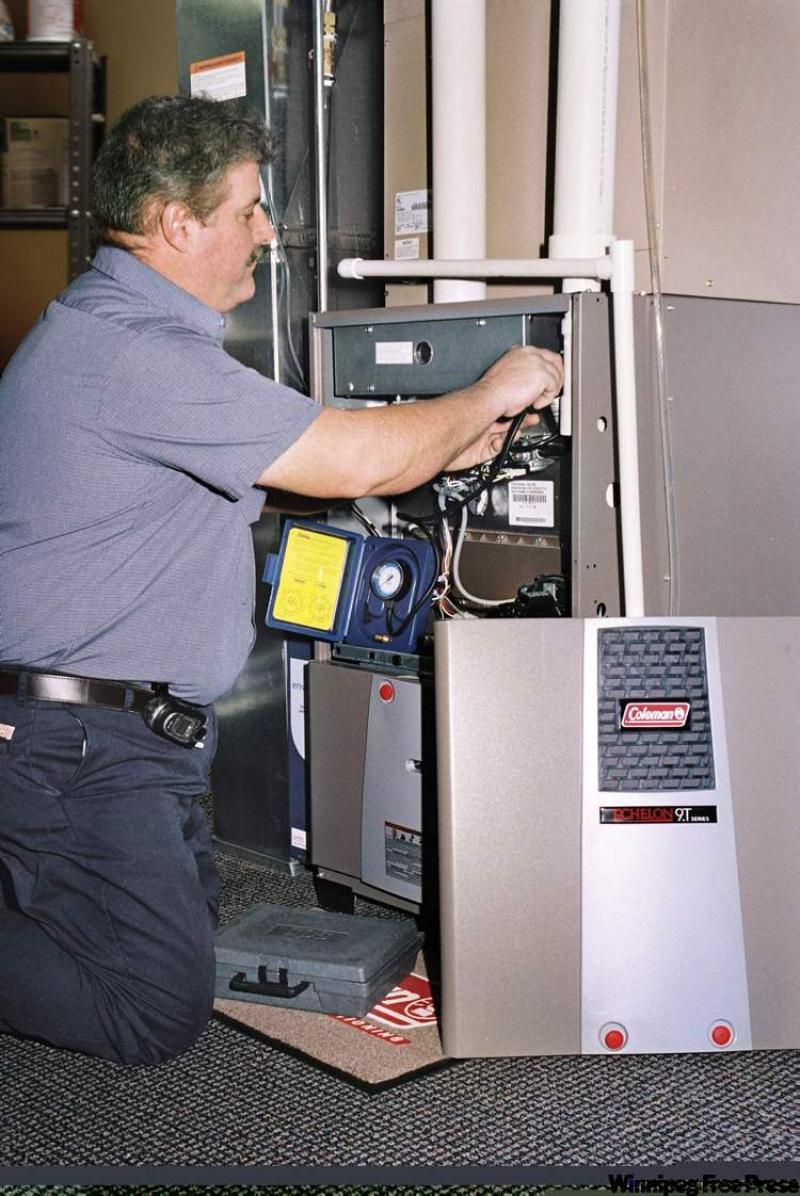
I live in a 900-square-foot bungalow built in 1920. I previously had a 20-year-old furnace in my house. When I upgraded to a high-efficiency furnace I also had a humidifier installed, a fresh air exchanger with a damper and a HEPA filter to purifier the air. My main goal with the new installation was to improve indoor air quality for my son who has asthma and allergies. I run the fan continuously to get as much air movement as possible in the house.
There is now ice buildup on my wall around the vent installed for the fresh air exchanger and some ice buildup on the PVC piping that sends cold air to the new furnace. Is this normal? The company that installed the furnace indicated it is OK to have a thin layer of ice buildup in my house but I am worried when it thaws it could cause mould to grow on the drywall and insulation in my furnace room.
The second issue is it feels as if cold air blows through my registers when the fan is running. It feels like being beside a window with a draft. Is this normal with new high-efficiency furnaces, or can something be done to make the fan re-circulating air a bit warmer?
Any input you have would be appreciated. Thank you.
-- Ajaleigh Williams
ANSWER: It's not unusual to have a bit of condensation or frost buildup on a fresh air intake or fairly cool air coming from your registers in a modern heating system. Your first issue may be fairly easy to solve but the second one may trickier to deal with.
Anytime you have something penetrating a cold foundation wall, especially with an open end at the exterior, condensation is likely. It is less likely on plastic piping used for high efficiency furnaces, but is still possible. A small amount of moisture should not be a problem, as it will likely evaporate, but can be an issue if it is actual ice forming or if it is touching drywall or insulation. If that is the situation, something should be done to prevent mould growth.
The first thing to check is the area where the round piping penetrates through the foundation. If there are any gaps around the pipes, even small ones, they should be sealed. If the opening is small, exterior-grade caulking should do the trick. If there are openings you can stick a finger into or larger, block this opening with foam insulation.
Small aerosol cans of expanding foam are ideal for sealing small areas like this. This material can be purchased at any building supply store and is easy to use. This product normally comes with a long plastic applicator hose that attaches to the top of the can. This small hose can be inserted directly into any small gaps before dispensing the liquid foam. The foam will quickly expand once applied, but may take several hours to fully cure.
Care should be taken to protect your hands, hair, clothing and anything around the area from contact when applying this stuff, as it is very difficult to remove. If you have liquid left in the can after filling the gaps, some of the excess could be blown on to the foundation wall around the pipe, to further prevent ice buildup. Inside the basement, the foam may be left untouched, but if used on the exterior, it will have to be covered or painted to protect it from deterioration due to sunlight.
The next issue to address is the indoor air quality in your home.
When older, naturally aspirating furnaces are replaced with sealed combustion, high-efficiency ones, like in your home, relative humidity tends to increase in the home. It's unusual to require the addition of a humidifier to the heating system, and existing ones are normally removed at this time. Its use should be unnecessary and can even work against your objective of improved air quality in the home.
While that may seem odd, bringing in dry, fresh exterior air with your air exchanger will help prevent excessive humidity and condensation on windows and other areas. Adding moisture to the house air, directly into the furnace ducting, will have an opposite effect, increasing the chance of mould growth. This may also be one of the causes of the ice formation in your basement. If you have not already done so, shut off the water supply to the humidifier and see if it helps with the ice problem.
The next issue to address is the feeling of cold air emanating from the heating registers. One way high-efficiency furnaces conserve fuel is by keeping heat in the heat exchangers longer than older models. One result of this is that the warm air entering the main ducts leading away from the furnace is cooler.
While some homeowners complain that this air feels cool, your problem may be the temperature of the circulating air when the burners are not on. Because you have the furnace fan continuously blowing air through the ducts, this will feel cool when the heating cycle is off. This occurs because it's room-temperature air blowing, not heated air. This may even be a little colder than normal, depending on the location of the fresh air ducting for your new air exchanger.
You may be able to warm this air up a little by setting the damper to minimize fresh air intake on very cold days, or by relocating the duct connecting to the return air ducting for the furnace.
All the items you have wisely installed in your home, except the humidifier, should help improve the indoor air quality. Running the furnace fan continuously will also help dry the air in the home and minimize condensation on cool surfaces like windows and baseboards, preventing mould growth.
The downside of your improvements is that the air coming out of your warm air registers will feel somewhat cool, especially when the heating cycle is off on the furnace. But that should be a small inconvenience compared to improved health for your family.
Ari Marantz is the owner of Trained Eye Home Inspection Ltd. and the President of the Canadian Association of Home & Property Inspectors-- Manitoba (www.cahpi.mb.ca). Questions can be e-mailed to the address below. Ari can be reached at (204) 291-5358 or check out his website at www.trainedeye.ca.
trainedeye@iname.com