QUESTION: We are going south for the winter leaving Winnipeg on Nov. 15 and returning approximately April 1 next year. We have a four-year-old high-efficiency natural gas furnace with a constant running circulating fan. Our home was built in 1992, with a finished basement, and the home is fairly energy efficient. What is a safe low temperature to set the thermostat for the winter without causing damage to water lines and drywall? Also, should we leave the circulating fan running for the winter? Thanks, Doug V.
ANSWER: Yours is such an excellent question about a common issue that I am surprised I have not received before now. There are thousands of "snowbirds" in our area that spend several months in warmer climates during our frigid winters that would have the same concerns.
If I were to take the purely scientific route to answer your question I would say that any temperature setting above freezing would be adequate to protect your home, but that is not a good advice. You will definitely want to leave your thermostat turned higher than this for several reasons.
As with many home issues, there are numerous factors or variables that may affect other systems in the home. While you may only need to ensure that the interior of your home stays above 0C to prevent damage to the interior components, that may require heating the home to a much higher temperature.
There are several factors, other than heat from your furnace, that may affect the interior temperature in various parts of your home. Some of these may be sunlight, wind, length of heating ducts, direction of window and doors and insulation levels. All of these items may vary greatly in different parts of your house and may cause wide variations in the temperatures of the rooms.
As any homeowner knows there may be a significant temperature difference on different floors of a typical home, particularly between the basement and the rest of the house. If you attempt to keep your home-interior temperature just above the freezing mark, some areas will be well above this setting, and more importantly some will be below, which could be disastrous.
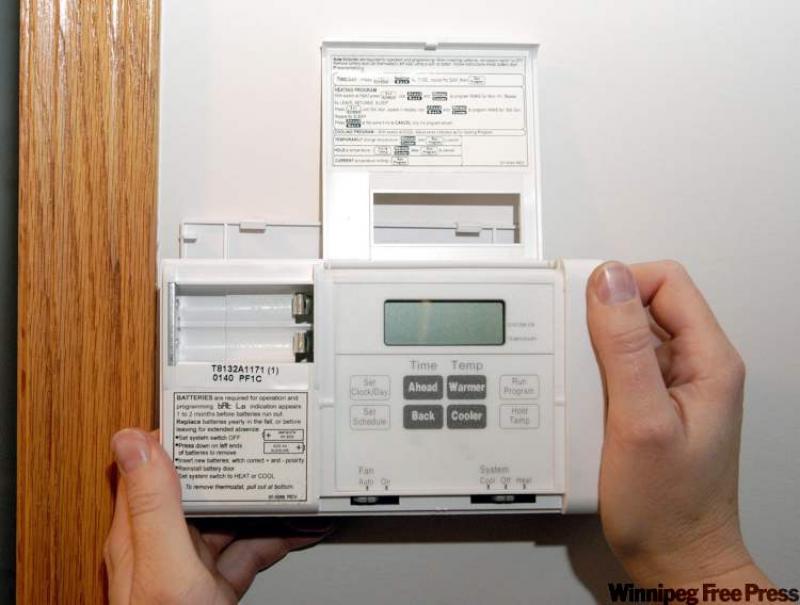
Your thermostat is typically located on the main floor in an area that will be fairly central, like a main hallway or dining room. It's installed in this area to get a temperature reading in an average area that may not be overly affected by open doors and windows. While this will give you an average reading, it will not prevent other rooms from being considerably warmer or cooler depending on the factors already stated.
This may work fairly well if your home has excellent and evenly distributed wall and attic insulation, but this is not always the case, especially in older homes. For this reason, setting your thermostat at a typical temperature between 10C and 15C is a better idea. While this may seem a little high and not environmentally friendly, this setting will ensure that you will not have isolated areas, which may have poor air circulation or minimal insulation, becoming too cold. Even in the most extreme cases, a temperature variance of more than 10C is unusual in a home that is vacant with all the doors and windows shut.
Why is it so critical to ensure your home does not drop below the freezing mark? There are several systems that will be affected if that happens. The most important may be the water-supply piping. If the water in the pipes freezes, it will expand as it changes phases from water to ice. This may cause the pipes to crack, which can cause a major flood after they warm up.
For this reason, it's always a good idea to shut off the main water-supply valve when you leave town for an extended period of time. Even if the unthinkable happens, with minimal water pressure due to the closed valve, damage from the burst pipes will be contained. If a damaged water pipe is allowed to leak continuously for several hours or days, it can cause major flooding.
Other items that can be affected by sub-zero temperatures are wall and floor coverings. Older plaster can crack and become damaged, and wood or vinyl flooring can shrink and come apart with extended exposure to cold. Paint may peel off surfaces if they freeze, and excess condensation and frost can build up in areas if they are too frigid. This can cause moisture damage, and even mould growth, once things warm up. Also, any plants in the home will quickly die if the temperatures drop dramatically.
Another reason to keep your thermostat set at a moderate temperature is in case of a power failure. Even if your home is heated by a natural-gas furnace, if the electrical power goes out during a winter storm the furnace will not be operational. In this situation, it may take several hours for the house to drop below freezing if you have the temperature set in the recommended zone. If you only maintain the temperature a little above freezing, the house could quickly drop below the critical threshold if the power goes out.
So, most experienced homeowners will set their thermostats in the 10-to-15C range when they leave town. Leaving your furnace fan running on low speed is a good idea to prevent areas of stale air from allowing condensation and mould growth in cooler areas.
Another good idea is to install an extra thermostat in the home connected to a monitored alarm system to alert you if the temperature drops well below your settings. This will allow you or the alarm company to call the person or company you have enlisted to regularly check your home to see why the temperature has dropped and remedy the situation before it becomes a major problem.
Ari Marantz is the owner of Trained Eye Home Inspection Ltd. and president of the Canadian Association of Home & Property Inspectors - Manitoba (www.cahpi.mb.ca). Questions can be emailed to the address below. Ari can be reached at (204) 291-5358 or check out his website at www.trainedeye.ca
trainedeye@iname.com