I’m not known for my patience. When I want a plant, I want it now — in this case, a quick-growing privacy hedge for around a chain-link fence enclosure in my backyard.
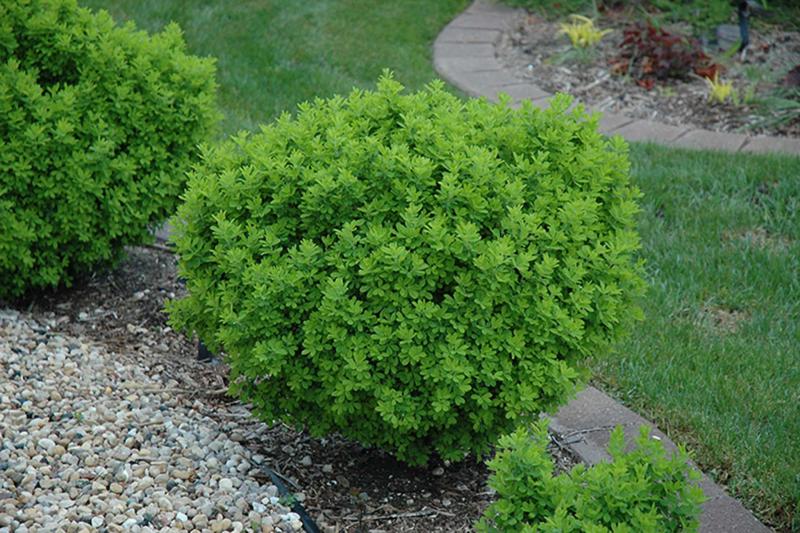
So a friend suggested that a cotoneaster hedge would be absolutely perfect.
Sounded like a good place to start, but to get the big picture on all hedge possibilities, I called the guru of all things green, Ray DuBois of Ron Paul Garden Centre. As usual, he was a gold mine of information.
He concurred that cotoneaster would be just dandy — lilacs also, caragana as well, and boy, did that bring back some pleasant memories.
When I was a kid, caragana bushes/hedges were everywhere. And those little yellow flowers were so tasty.
Upon Googling Caragana (have to), I chanced upon the following interesting tidbit (Wikipedia): "Caragana aborescens (the Siberian peashrub), was taken to the United States by Eurasian immigrants, who used it as a food source while travelling west. In some areas of the United States, it is considered an invasive species."
Lemme guess: the Mexican border.
Wonder if they considered erecting a wall to keep it out. Nah, ridiculous idea.
The Agriculture and Agri-Food Canada website gives caragana full marks as a shelterbelt staple, specifically noting: "It is a very dense shrub that controls ground-level winds and traps snow very effectively. In addition, it is a source of nectar and pollen for bees and other insects."
That last point alone has convinced me to use it along at least one section of fence. Gotta help those bees whenever we can.
And so far, I’m liking cotoneaster to use everywhere else.
Another excellent online resource, ronpaulgardencentre.com, recommends the "hedge cotoneaster" as follows: "Makes a stunning hedge, takes pruning well; also valued for its showy fall..."
"Stunning!"
Hard to beat that. I’m in.
Lilacs. I already have a really beautiful lilac bush in my yard, which produces the most fragrant beautiful blooms every year. It was because I liked it so much that about 20 years ago or so, I decided to plant a row of about 10 young lilacs, purchased from a roadside greenhouse, to look pretty, smell nice and mark the back edge of the property.
They did well for about a month or so, then because I didn’t keep them rototilled and watered enough, began to look sickly. Over the winter the deer nibbled on them some, I lost a couple — you get the picture — to where today, all that marks their location is a row of dead grass (I still have hope they’ll come back) and one lifeless lilac branch/stump. Still, where there’s roots...
If it does grow, the deer will eat it.
Maybe I’m going to have to accept that I’m just not going to win this one.
A regret. Having moved here a little over 30 years ago, with lots of space for planting bushes, trees, etc., I wish I’d been way more aggressive about doing so. I did plant 25 trees once, of which I have about four left; the deer munched on the rest. Good for them, it’s their yard, too. I should have done more to protect that tasty bark and those yummy branches.
I mean, not only is it a jungle out there, but it’s edible! Later. Got some holes to dig.
Comments or feedback, love to hear from you at lmustard1948@gmail.com.