William Dam Seeds
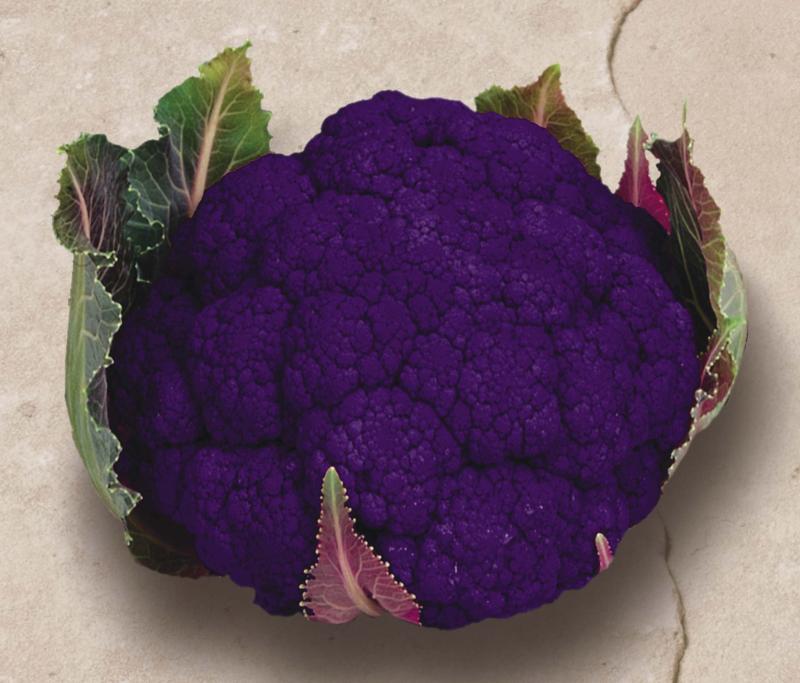
Move over kale? Cauliflower has been declared the newest superfood. This graffiti cauliflower will keep its deep colour when cooked.
Johnny's Selected Seeds
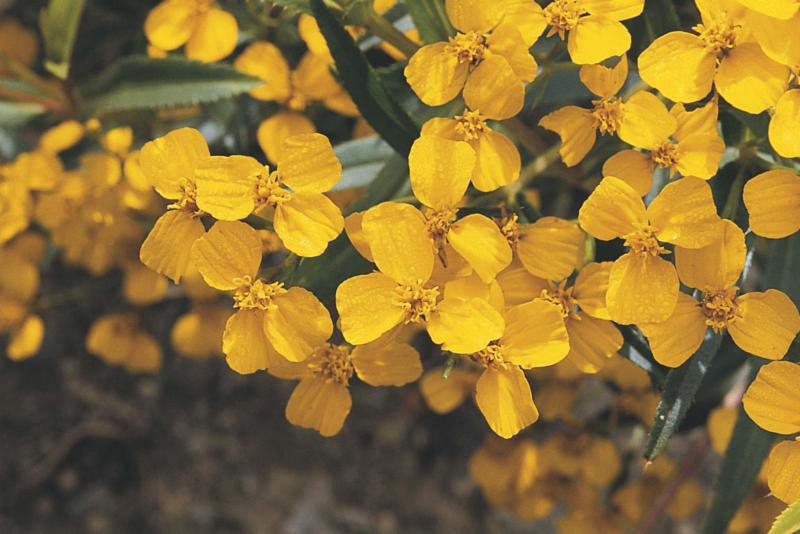
A delicious substitute for French tarragon, Mexican Mint Marigold have small, edible flowers and aromatic green leaves that have a sweet, licorice flavour.

Chopp Photography
Jeffrey and Janna Veenstra, owners of Wild Earth Farms, will be at Third + Bird today with fresh herbs and salad greens.
Wild Earth Farms
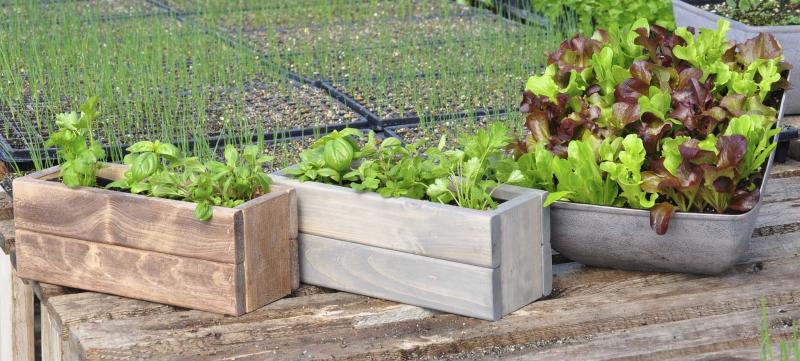
Herb boxes and lettuce bowls brimming with crisp baby greens can be harvested up to three times before planting outdoors into your garden or patio pots.
‘Would you like to add a salad to your entrée?" your server asks. Sticker shock at the high prices this spring for menu items such as salad may have left you ordering soup instead.
Recent heavy rains in California and Arizona have caused the price of lettuce to soar across North America. In some cases, wholesale prices of salad greens have nearly quadrupled. Celery, broccoli and cauliflower crops have also been damaged by the record amounts of rainfall, causing an increase in pests and mildew and other quality-control issues.
Starting this week, local vegetable growers such as Jeffrey Veenstra are supplying city restaurants with the first harvest of crisp, greenhouse-grown full-size head lettuce. Veenstra is the owner of Wild Earth Farms, a 20-acre vegetable, herb and small fruits farm located just three kilometres south of Bird’s Hill Provincial Park northeast of Winnipeg.
Today at the popular Third + Bird market — which is being held for the first time at Hudson’s Bay Downtown — Wild Earth Farms will be selling an assortment of fresh, greenhouse-grown herbs and salad greens at its vendor display.
Visitors can choose from herb boxes, potted herbs and salad-bowl planters.
Crafted by Veenstra, the wooden herb boxes hold up to three standard nine-centimetre nursery pots filled with fresh herbs such as oregano, basil, thyme, sage, lavender, chives, parsley and cilantro — each available in several different varieties to suit your palate.
Cut and come again salad bowls, about 30 cm in diameter, have been planted with leafy lettuce or kale varieties.
The fresh baby leaves can be harvested up to three times, once every week to 10 days. Add to your salads, sandwiches or smoothies for this season’s delicious first taste of locally grown produce.
Veenstra began sowing seeds in mid-February. Weather permitting, he hopes to begin field production in about three weeks.
Wild Earth Farms also operates a Community Supported Agriculture (CSA) box program.
Subscribers pay for a share at the beginning of the growing season and enjoy a weekly supply of local, seasonal produce for about 20 weeks, starting in mid to late June until mid to late October.
Last year, with fall’s record warm temperatures, Wild Earth Farms was able to harvest and deliver produce right up until the first week in December.
"You don’t expect to be growing radishes into the middle of November," Veenstra says, "but it was a spectacular growing season last year and the veggies looked great right up until the end."
While it’s been possible for local market gardeners to start earlier in the season and finish later in the past three years, frost dates nevertheless occur at roughly the same time each year.
Veenstra’s three greenhouses help him to extend the growing season. Two are cold-frame structures and the other is an arch-shape greenhouse in which he grows six different varieties of lettuce.
Outredgeous lettuce is a ruffled, red romaine-type lettuce. Attractive red colour for the salad bowl is also provided by Garrison, a fast-growing baby red oak-leaf lettuce.
Red Sails — an AAS winner that is one of the slowest bolting red leaf lettuce varieties — has ruffled, fringed leaves with deep burgundy colour and shades of green.
A frilly oak-leaf variety, Sulu has large, lobed, lime-green leaves for attractive colour contrast. Defender, a dark green romaine, has more rounded leaves.
Tropicana is a green loose-leaf lettuce with good resistance to tipburn and leaf scorch.
Two or more successive plantings ensure Veenstra a continuous supply of early, fresh produce. He grows these same varieties in the field and harvests them for his weekly CSA boxes and farmers markets. "It’s important to choose varieties that will withstand the heat of Winnipeg summers and survive cool temperatures in the spring and fall," Veenstra says.
As a substitute for French tarragon, which is grown from root divisions or stem cuttings rather than seeds (it produces few flowers, hence has limited seed production), Veenstra is growing Mexican Mint Marigold (Tagetes lucida). Native to Central America, Mexican Mint Marigold produces masses of small, edible, golden-yellow flowers and aromatic green leaves that have a sweet, licorice flavour, similar to tarragon.
Veenstra grows several varieties of basil which will be available today at Third + Bird. Elidia is an excellent Genovese-type basil for both greenhouse and field production, says Veenstra, who adds that it has very good disease resistance. Its size is compact in comparison to Nufar, a lettuce-leaf basil that grows to about 45 cm tall and produces large leaves. Both have a similar peppery flavour and are perfect for use in pesto. Enjoy indoors and, in a few weeks time, plant them outside in the garden in the ground or in a patio pot.
When combining herbs in a container, Veenstra recommends pairing varieties with similar moisture needs. Basil and oregano are both moisture-loving plants whereas rosemary, sage and thyme require less water.
Will kale continue to ride a wave of popularity that began when it was first declared a superfood? Veenstra says the spotlight is turning to another member of the brassica family — cauliflower. Delicious steamed, sautéed or roasted, try mashing this versatile cruciferous veggie with chives and goat cheese or use it to make a gluten-free pizza crust. Veenstra is growing intensely purple, green and orange cauliflower varieties this year, which keep most of their colour when cooked.
That said, expect kale to continue to be in strong demand. This week, Veenstra plans to move his kale seedlings from the greenhouse to field production. In mid-summer he will start a second planting to carry him through to the end of the season.
Popular varieties include Siberian kale — a tender, flat-leaf variety that is delicious in salads and soups. Other varieties include Toscana, Winterbor, Redbor, Black Magic and Red Russian. Each has different characteristics and textures, depending on your preference. Redbor and Winterbor kale varieties, for example, have thick, curly or ruffled leaves with a chewy textureb while Red Russian kale has smooth, flat, slightly toothed leaves that are tender compared to most kale varieties.
Prizm kale, a 2016 AAS Winner, has almost stemless stalks that are quick to re-leaf for an early harvest. Perfect for growing in containers, the ruffled leaves have a slightly nutty flavour.
Veenstra will have several varieties of baby kale greens at Third + Bird. He will also be accepting subscriptions for the CSA program. Fresh produce is delivered weekly to a convenient location for pick-up.
Starting June 1st, Wild Earth Farms will be at the Downtown Biz Farmers Market and at the Pineridge Hollow Farmers Market when it opens on June 17th. Visit directfarmsmanitoba.ca for a listing of farmers markets and farms offering CSA programs. Direct Farm Manitoba is a member-owned co-operative that takes the place of the former Farmers Market Association as well as Small Farms Manitoba.
For the fresh taste of locally grown produce, plan to support your local farmer.
colleenizacharias@gmail.com
NOTICE
It’s the annual Mother’s Day Plant Sale May 14. Hosted by Gardens Manitoba, this year’s sale is at a new location — Victoria Inn, 1808 Wellington St. Doors open at 9 a.m. Visit gardensmanitoba.com for more details.