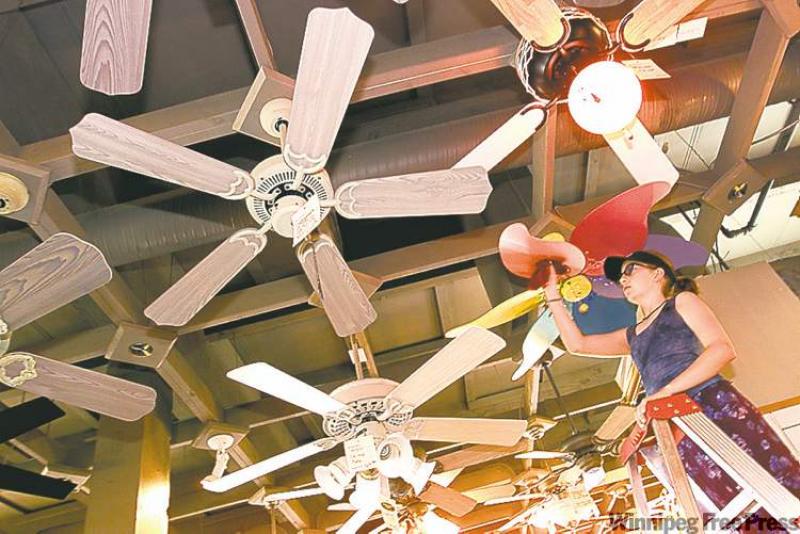
CEILING fans may be unappealing, but they serve purpose. Blades should go counter-clockwise in summer to create wind chill effect
Dear Leanne: We have a few ceiling fans in our home but wonder if we should remove them. I do not like their look and I can't really feel a difference in the summer. What do you recommend?
ANSWER: The benefit of a ceiling fan is that it moves air. On a warm day, the hot air rises and warms the upper levels. The fan blades move the air around, blending the interior temperatures so that the hot air does not accumulate in one level.
To maximize the effectiveness of this air flow, make sure your fan blades rotate in a counter-clockwise direction in the summer to create a wind chill effect. This air movement will be detected by the hair follicles on your body and register this as a cooling sensation.
This does not mean you will see a change in your thermostat reading, but the space will feel cooler. Note that changing the direction in the winter to a clockwise direction will also provide a warming sensation. This is important to change with each season or you could be inadvertently reducing your fan's effectiveness, which may explain why you do not feel any difference.
Ceiling fans offer a benefit for vaulted ceilings. If you don't have a vaulted ceiling, you can remove the fans, but you'll still need to replace the air flow.
Electric fans are a great alternative and come in a variety of design options, including tall towers that oscillate. These units also have temperature and speed settings offering quick relief from a warm day. Note: You should take care with these units around small children and pets.
Before you decide to remove the fans, consider that you may simply need to update their look. There are many options to consider, including those that provide additional light. As a side thought, perhaps you should have a home inspector come in to test the insulation value of your attic and walls.
You may find the addition of whirlybirds and proper insulative materials make a big difference in your comfort level this summer while reducing your energy bill this winter.
Dear Leanne: We are renovating our 1980s two-storey home and are considering adding stone as an accent for visual appeal. What is cultured stone and how durable is it compared with natural stone? Is this a product that you can do yourself?
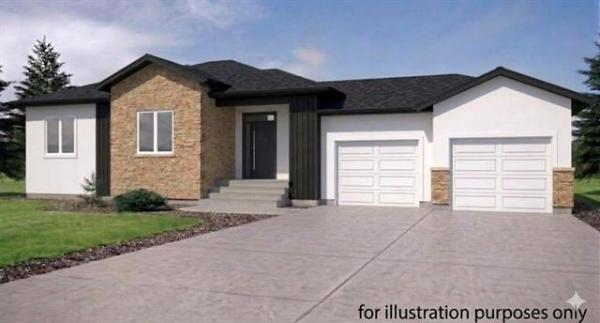
ANSWER: This is a common question that comes up at this time of year. Cultured stone is a brilliant building product as it imitates the look of natural stone so precisely that once it's in place it's virtually impossible to distinguish it from its natural counterpart. Stone adds a distinctive architectural element that elevates a humble design to a stunning showcase.
Regardless of whether the product is incorporated as an accent (such as for window trims or retaining walls) or an integral component (as in complete exterior walls), this product is quickly changing the renovation and new home design world.
There are many advantages to using cultured stone; one of the greatest being that it weighs a quarter of the weight of natural stone. The weight of this product allows it to be readily adaptable for interior designs and renovation projects without the need for additional structural support.
The weight of building materials can have a major impact on projects -- in both dollars (shipping/ handling costs and additional structural support requirements) and time (labour intensity).
Another consideration is that you can stage a project over time without being concerned that the mountain source is no longer available. Cultured stone production uses natural stones and incorporates additional products -- Portland cement, lightweight aggregates and iron oxide pigments to recreate the appearance of the original rock.
It is then moulded into a veneer product that offers the face of a plethora of stones and finishes while providing a flat back ready to apply to a surface with the proper adhesion. It is made from non-combustible materials, resists colour change (as the colour is integrated into the rock) and, if used in the appropriate application, is extremely durable.
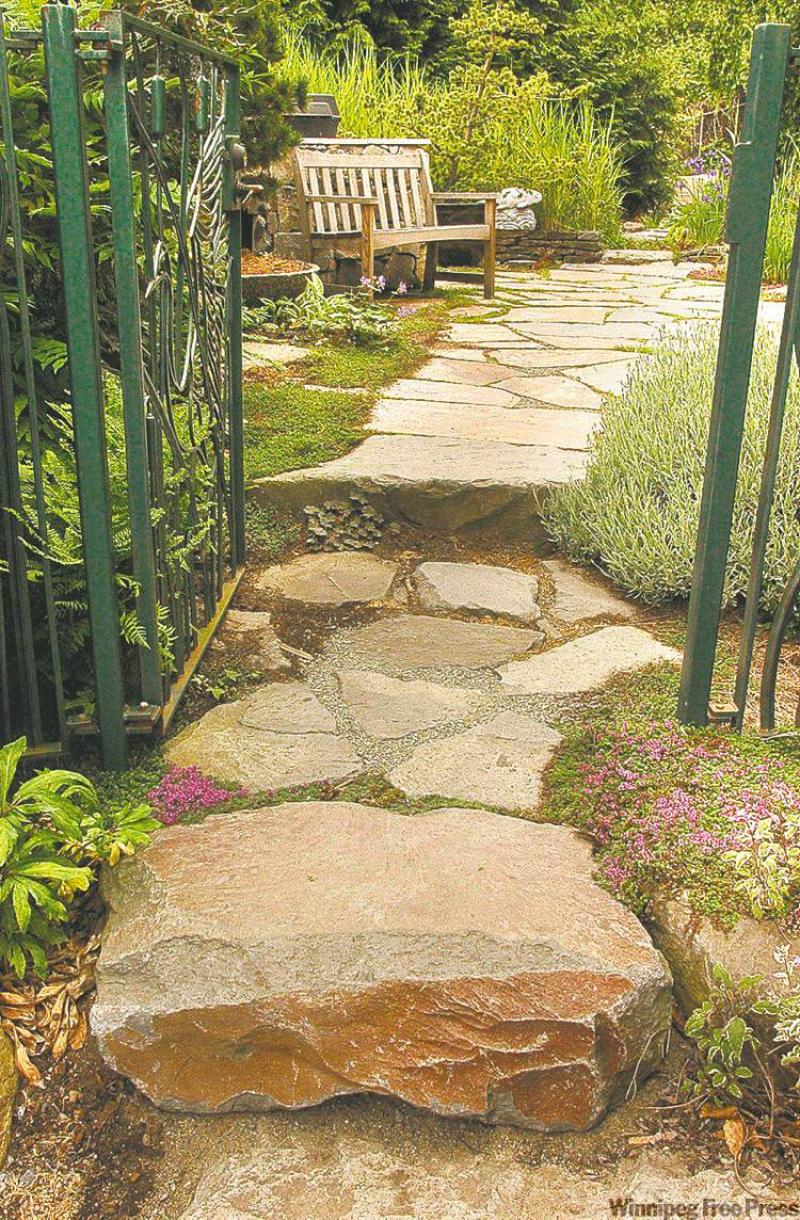
The exterior application of this product includes resurfacing the exterior of an entire home, highlighting architectural details such as an entrance, window ledge detailing, chimney facade, retaining walls, patios, walkways, driveways, fish pools (non-chlorinated), barbecue surrounds, exterior gate gables, accent light pillars and address displays. The interior uses are equally impressive as accent walls, waterfall backdrops, fireplaces and wall units.
Product selection is vast and includes: smooth river rock, split rock, fieldstone, ledgestone, castle stone, limestone, drift stone, coral stone and reclaimed brick. Within each stone category are a variety of colours to complement other tones and materials that may be used.
Cultured stone is designed for quick installation and most companies provide instruction for its application. Speak to the distributor of the product to make sure this is a project you want to take on and to ensure you are following the specified standards to maximize your warranty.
-- Postmedia News
Leanne Brownoff is an Edmonton interior design consultant who welcomes your questions at leannebrownoff