Bob Donaldson / Pittsburgh Post-Gazette files
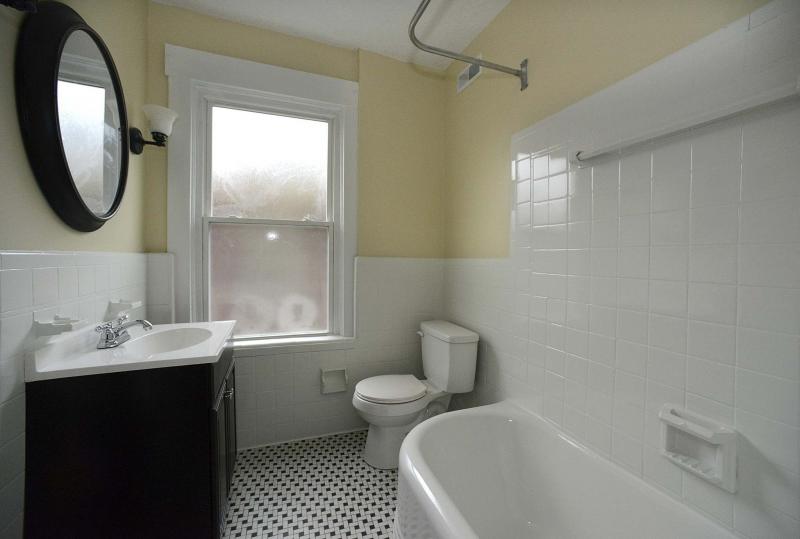
While totally renovating a bathroom will increase the value of your home, often simply applying a fresh coat of paint in neutral colours can have the same result.
Whether you plan to sell your house this year or after your last child leaves the nest, being a homeowner includes keeping the house in tip-top shape. Yes, you can boost your sale price by updating your kitchen and bathrooms, but buyers will never even see your home’s interior if the exterior scares them off.
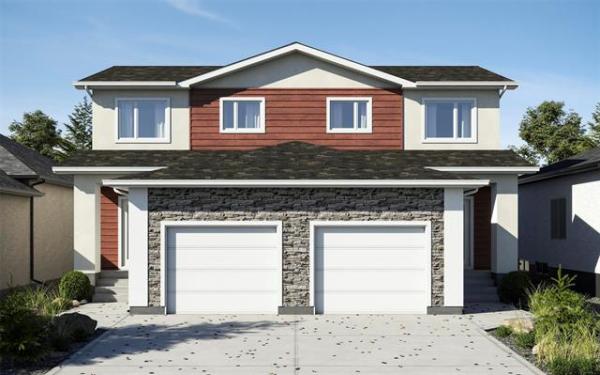
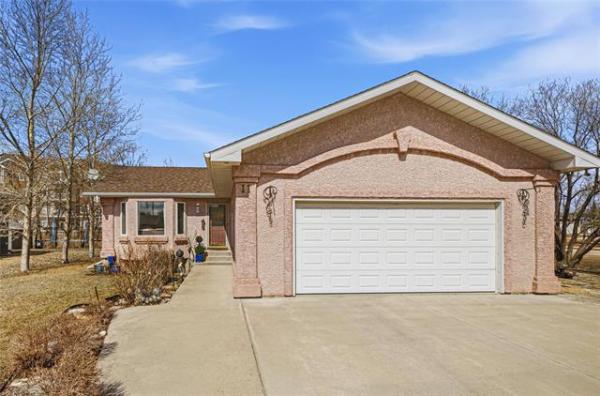
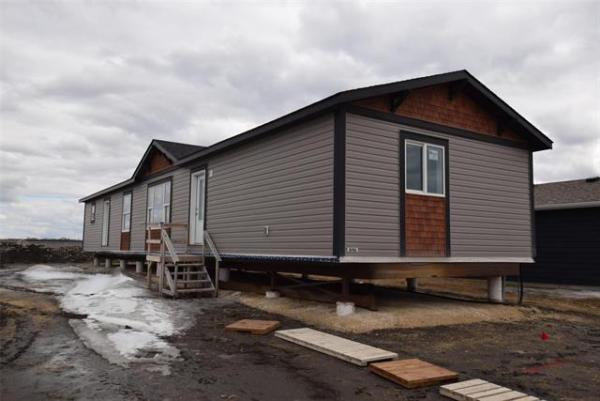
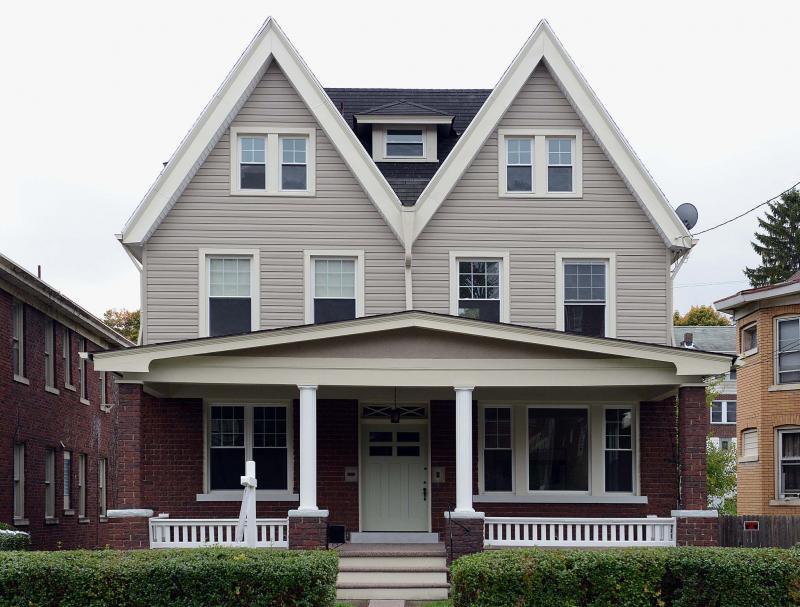
Every house needs curb appeal. You want your house to say "welcome" to prospective buyers.
Here are some suggestions from experts in the field and homeowners who have upped the curb appeal of their homes.
BE OBJECTIVE
"Step back and look at your house as though you’ve never seen it before," said Chip Wade, host of HGTV’s Elbow Room and a home-improvement consultant for Liberty Mutual Insurance. "Even if you don’t use it, there should be a clearly defined path to your front door. After dark, the entry should have sufficient lighting. The address numerals should be visible and easy to read. If your front door needs to be replaced, now’s the time."
Buyers will notice if your house needs a new roof or siding. These are costly, but can make or break the sale. Long-term warranties tell the buyers they don’t have to worry about re-doing these projects.
One of Wade’s biggest bugaboos is the garage door, which can hog the screen in your house photo. "It’s a necessary evil," he said. "But a substantial one will look better than a builder-grade door. The new wood-look doors look real but are not as heavy as real wood."
Ideally, your house has a front porch, Wade said. "Short of that, you can add a portico that’s big enough to keep your guests dry when it’s raining," he said. Before you add either to your house, read your city’s building rules and neighbourhood covenants. They may say, for example, that there must be at least 12 metres between your home and the curb or you can’t use certain material not common in the neighbourhood, such as vinyl siding. If you have a front porch that’s just decorative and not deep enough for chairs, it detracts from your house’s curb appeal, said Wade. Hire a contractor to remove this 1980s amenity, which only looked good on paper.
ENLIST THE EXPERTS
"We did a lot of the work ourselves," said Chris Berry of the 19th-century house he and his wife, Rebekah, remodelled in Elgin, Ill. "But first, we got professional advice." Before they bought paint, they hired a colour specialist who helped them choose a set of colours that would have been used when the house was built. "And we hired a landscape designer to draft a plan that took summer and winter light into consideration, then planted the plants ourselves to save money," Berry said.
To define the Berrys’ corner lot, the landscape designer suggested they install an aluminum fence with a wrought-iron look. The designer was spot-on, Berry said. The fence frames the front-yard view of the house and saves their plants from being trampled by kids who attend the grade school across the street.
If you can’t afford the pros, take advantage of apps and manufacturers’ websites that let you post a photo of your house, then "paint" it different colours or add amenities.
RESPECT THE HOUSE’S ORIGINS
As you undo the remuddling your house suffered, "don’t fight the house’s original style," said John Potter, architect with Morgante Wilson Architects in Evanston, Ill. "A professional designer can help you work with it."
When Potter designed a remodel of Renee and Garrick Lau’s 1896 Italianate house in Wilmette, he chose materials his predecessors would have used in the late 1800s. "We used three-inch-exposure cedar siding, painted sage, with white trim," said Potter. "We gave the house a wooden front door, beadboard porch ceiling and wooden front steps."
Potter kept the home’s original, wavy-glass windows. What they lack in energy efficiency, he said, they have in character. Sometimes the house’s original exterior is there, but hidden. "Under a layer of aluminum siding was the original siding and architectural details including sunbursts and half-round windows," said Berry.
The Berrys do their own home-improvement jobs to save money, but Berry estimates it would cost about US$25,000 to repair original clapboards, replace rotted areas, recreate damaged ornamentation and paint the exterior. This is for a 2,000-square-foot house.
WEIGH COST VS. VALUE
Before you embark on home improvements that will enhance your home’s curb appeal, consider how much money you’ll recoup when you sell the place. Lucky for you, Remodeling magazine compiles an annual cost-versus-value report.
If you replace your unsightly front door, for example, you can recoup 72 per cent of your cost if you get a fiberglass one or 101.8 per cent if you buy one that’s steel. You’ll get 88.4 per cent of your money back at resale if you buy a new garage door. A new roof costs about US$19,528, said the report, but you’ll get 71.6 per cent (US$13,975) of that back at resale. Windows are costly, too, but yield a 72.9 per cent payback if they’re vinyl and 78.8 per cent if they’re wood.
If you are not selling the house soon, add the value of having that amenity while you live in the house. Many a homeowner says he wishes he had made the upgrade years ago instead of making it just before selling.
MONEY FOR GREENERY
There are two components to curb appeal — the house itself and the plants that give the property life. For the lush lawn that buyers want, consider a professional lawn service for fertilizing and weed control. If you have at least three months until you list your house, the service can seed and aerate it, too. If you’re listing the house soon, splurge on sod for an instant upgrade. Trim or replace foundation plants that hide the view of your house from the street. Edge the lawn for a tidy look. Post large planters on either side of the front door. If you don’t have a green thumb, fill the pots with faux boxwood, said the experts at the Silk Thumb in Highwood, Ill. They cost more than the real ones, but are maintenance-free and look real.
Today’s buyers start their home shopping on their computers or smartphones. "The first picture they see is the front exterior, so if that’s not good, they won’t go any further," said David Yocum, a real estate agent with Redfin’s Chicago office. "If there are no pictures online, the buyer assumes there’s something really wrong with the house and isn’t interested at all."
If buyers like what they see online, they ask their agents to schedule tours.
— Tribune Media