All the rich food, late nights, and other indulgences getting you down this holiday season? Need some relaxation and revitalization or perhaps even some relief from cold and flu symptoms?
The plant world could hold the answer to what ails you. From brewed teas to essential oils, salves and tinctures, plants are the source of many time-honoured home remedies, handed down from one generation to the next. The aroma of plants has a particular effect.
Dave Hanson, owner of Sage Garden Herbs, says one of the favourite things about his work environment is the aroma of all of the herbs and spices in his greenhouse.
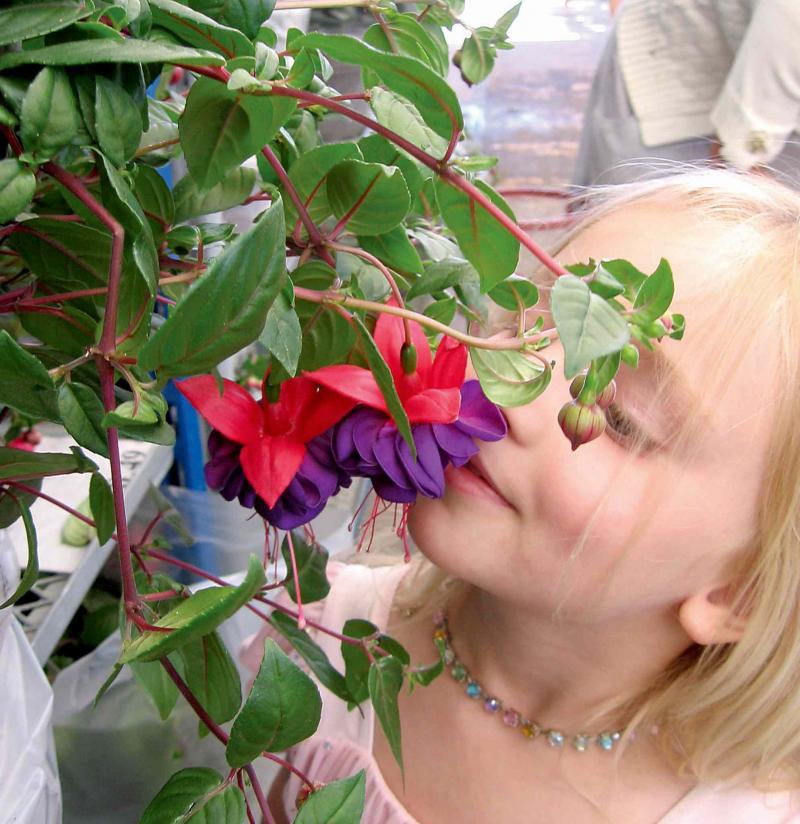
People have strong cultural associations with plants and often, plants are a significant thread in one's life story. A favourite scent can be reminiscent of a plant once used in cooking or in traditional medicine, perhaps even of the people who were in charge of these activities, such as one's grandmother.
For folks from a Caribbean background, especially Trinidad, even the slightest ruffling of the large fleshy leaves of Jamaican thyme to elicit its strong minty, spicy fragrance invites a sharing of a memorable moment.
Cinnamon, allspice, rosemary, lemon-scented plants and bay trees all provide fragrances that most people connect to in a very positive way.
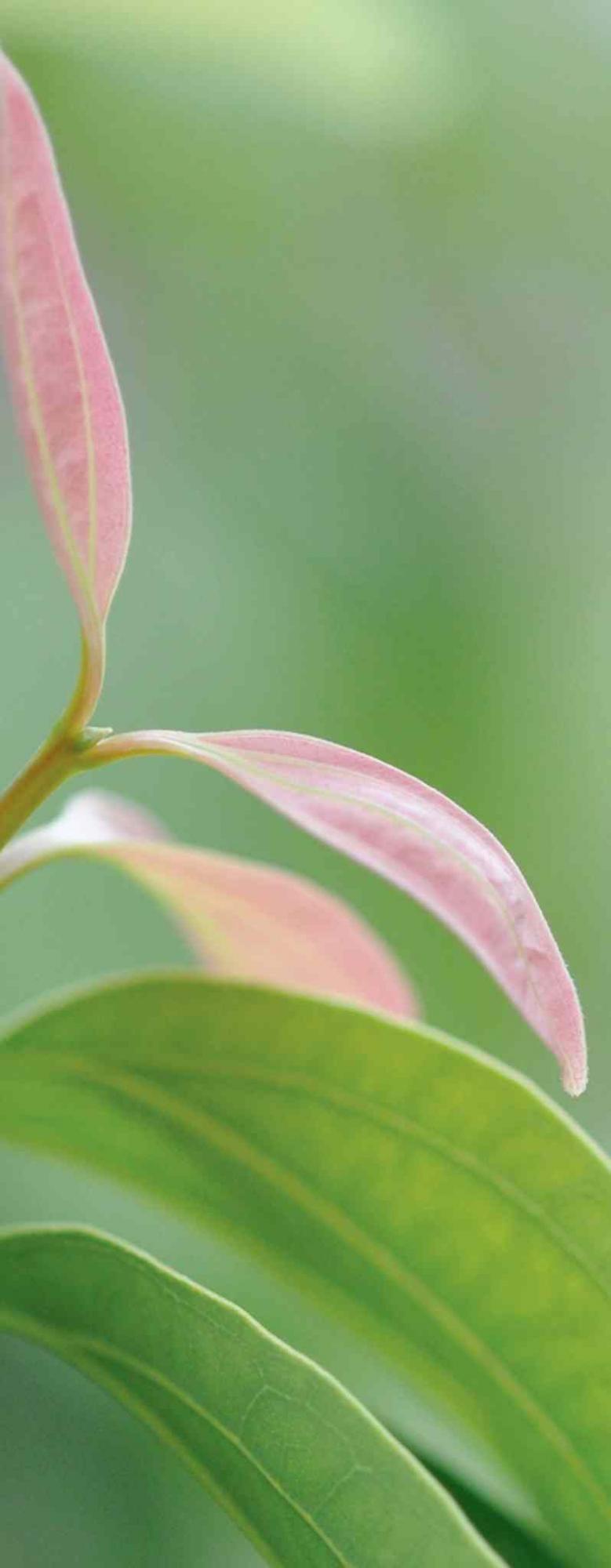
Hanson describes the aroma of cinnamon as energizing. Lavender and chamomile are used more for calming and relaxation. Patchouli, a distinctively musky-scented herb in the mint family that is considered grounding and balancing was used in incense in the 1960s and 1970s. The first whiff of the plant can transport baby boomers back to an earlier, more bohemian time. Highly aromatic citrus plants, such as the Meyer lemon, can be used as a mood brightener for an anti-depressant type of effect.
Hanson's favourite is the allspice plant, which is easier to grow indoors than basil or rosemary, or some of the Mediterranean types of herbs that require grow lights.
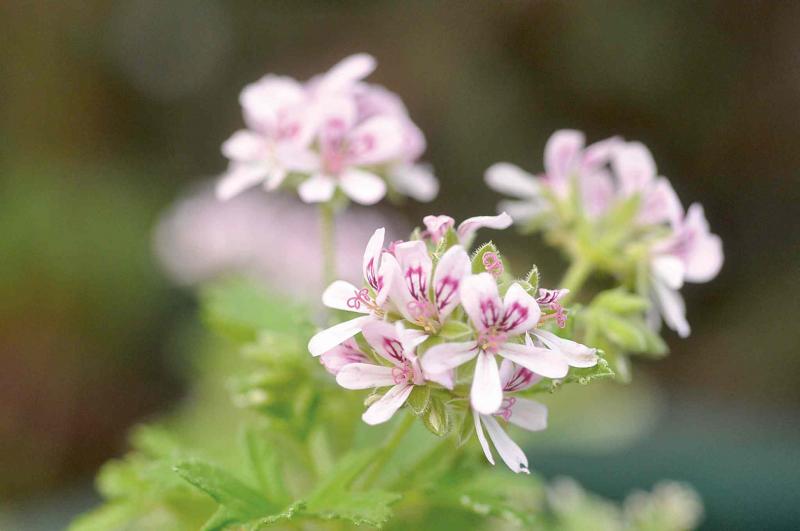
Aromatic plant extracts and essential oils form the basis for aromatherapy, a practice dating back to ancient times. Crushing the leaves of many plants such as scented geraniums, which have glands at the base of their leaf hairs, releases their oil and scent. Hanson says while aromatherapy may be a touchy topic for anyone with sensitivity to strong scents, the natural fragrance from living plants is gentler and more tolerable compared with synthetic fragrances such as plug-in air fresheners.
The oil of the tea tree plant is a popular ingredient in many health and beauty products and has antiseptic uses as well.
Some of these highly aromatic essential oils, touted to have antibacterial, antifungal and antiviral properties, can be used to make simple recipes for household cleaners. Hanson recommends adding 20 drops of lavender oil to distilled water to clean stoves or countertops.
Essential oils can also set a mood tone. To diffuse a gentle, natural aroma into the air, Hanson suggests adding a small amount of pure organic essential oil to a small dish of water with a burning tea light candle.
Nancy Hall and Chad Cornell are co-owners of Hollow Reed Holistic. Hall is a certified aromatherapist and Cornell is a master herbalist. Hall believes aromatherapy is an important tool for maintaining a holistic lifestyle. He recommends the use of essential oils for a variety of applications, including stress relief, focusing on studies and uplifting melancholy.
"There is a physiological aspect," says Hall. "The olfactory nerve is basically an extension of our brain that has access to the outside world. As soon as we smell an essence, our brain immediately starts to interpret it."
Hall, who works with essential oils from around the world, is committed to using pure botanical essences that have no artificial fragrances. She believes in getting to know one essence at a time and recommends a person's use of it be done with a sense of presence and intention in order to gain a greater sense of self-peace.
"The goal is to feel better," says Hall, "not compromised."
Hall recommends being strategic when managing energy and says exercise and meditation are beneficial components of an aromatherapy regimen. "Set the space, take the time and clear away the clutter," says Hall. "Then make it a regular occurrence!"
As a herbalist, Chad Cornell is interested in the wisdom of our ancestors who lived in relationship with nature and made use of fresh or dried spices and herbs.
"Oregano, rosemary, sage, thyme, ginger and garlic all have medicinal benefits," says Cornell, "But today, any benefits are gone when these have been sitting on someone's shelf for five years or more."
Cornell says if he could have only one herb in his cupboard it would be elderberry (Sambucus nigra). Native to the British Isles, elderberries are dried, then boiled with ingredients such as honey, cinnamon, or ginger and used in recipes for syrup or tea for a herbal immune-boosting remedy to treat colds or flu.
Cornell is working with the University of Winnipeg's department of indigenous studies program and last summer accompanied a group of students and aboriginal elders to Riding Mountain National Park where they made teas from gathered plants such as yarrow, nettle and mullein.
Cornell says it is important to remember when we drink herbal tea that has been specially prepared for the purpose of relaxing that we take the time to exhale.
"In Japanese tea ceremonies," says Cornell, "the understanding is that it isn't just about ingesting the medicine. The gain is in how we are doing it and the relationship between how we are living."
While Cornell considers ginger to be a superlative energy tonic, he says mushrooms such as the chaga and reishi mushroom are highly sought after as a treatment for everything from anxiety to low immune function.
Indigenous people have practised traditional medicine for centuries, handing down their wisdom from generation to generation. Semeka MacIntyre is a Mohawk woman who is a residential-school survivor. It was her grandmother who put her on the path to healing by introducing her to the traditions of natural plant-based remedies.
"I was very angry when I got out of the school," says MacIntyre.
Her grandmother's loving response was to teach MacIntyre how to appreciate nature's natural gifts. MacIntyre would accompany her grandmother into the bush to pick berries and herbs.
"She taught me in her own way to notice the wind on my face and the smell of the earth," shares MacIntyre. Today, for her own family and friends, MacIntyre makes use of many plants. For colds and congestion, she adds 28 grams of dried yarrow to 473 ml of boiling water, then sweetens it with a little honey or adds cayenne pepper.
Willowbark is an essential ingredient in her house as a natural substitute to aspirin. Brewed as a tea, it has proven effectiveness in treating aches and pains. Queen Anne's thistle is used in a salve to heal cuts and scrapes. Slippery elm is brewed in a tea to sooth an irritated throat. An important part of MacIntyre's tradition as a Mohawk woman is to say prayers over the plants that she gathers and to give thanks to the earth.
She cautions others to know the people who are gathering and the procedures involved. If pesticides have been applied, says MacIntyre, the plant is no longer considered medicinal.
Dawn Kitching owns Natural Fragments, a home-based business in Selkirk. Kitching, a past president of the Herb Society of Manitoba, grows, harvests and dries many of the plants she uses for making natural soaps, salves and lip balms.
Kitching makes an oil from calendula (pot marigold) by first drying the flower, then removing the petals and grinding them in her coffee grinder. She fills a jar half-way with ground petals, then adds extra virgin organic olive oil and places the jar in the sun for one full month, shaking it twice a day. By the end of the month, she has a fragrant, homemade essential oil.
Other natural ingredients include borage, comfrey, monarda, alfalfa, rose, highbush cranberries, burdock, lemon balm and lemon grass. Her kitchen smells sensational as she makes a signature soap for the Forks Trading Company using locally gathered juniper. She grinds up the juniper berries and makes an oil from the needles, then combines both into a refreshing, healing soap.
Remember to take the time this holiday season to inhale!
colleenizacharias@gmail.com