My grandmother had a bright red geranium. During the winter it would sit on a south-facing window ledge gathering what meagre rays of light the cold December sun offered it.
I was drawn to it like a magnet. It was this amazing bit of green in an otherwise dead world, a remnant of last summer's garden waiting to return to its place outside when spring returned.
Now that I have my own garden, I have plants that spend their summers outside and are brought in before the frost. My favourites are a pair of two-metre-tall golden Cupressus (cypress) that I use in my outside containers. They provide instant presence out on the back deck.
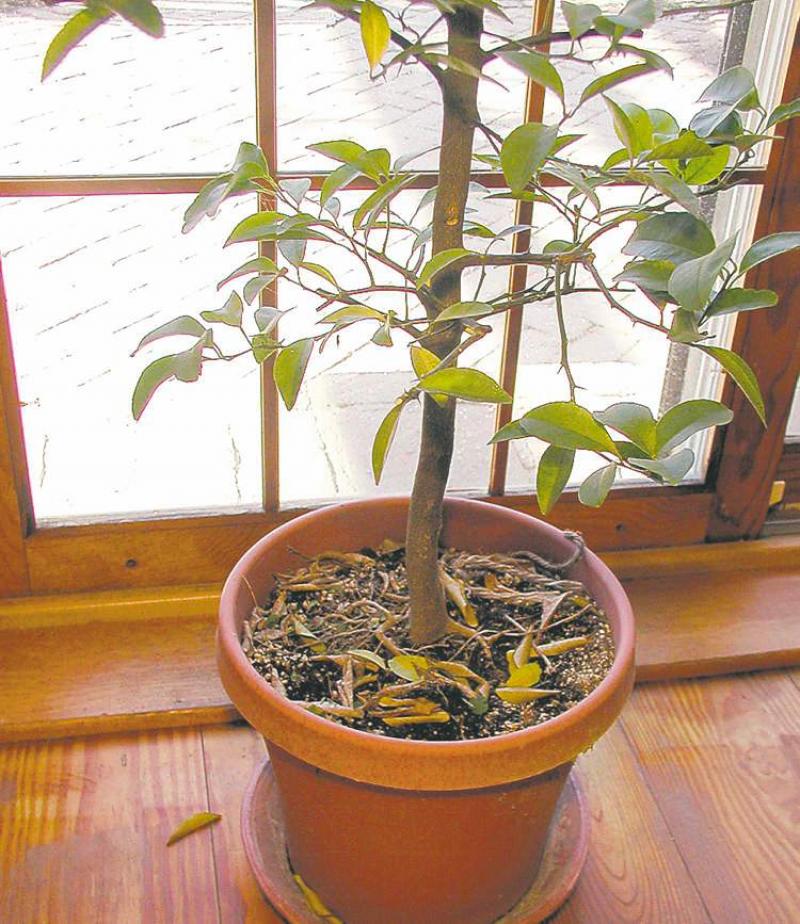
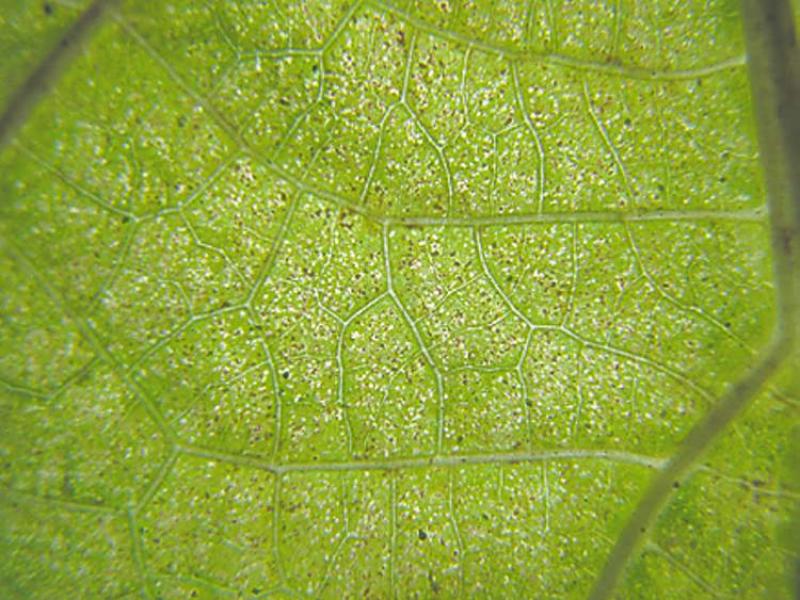
My cypress make the transition easily. Other species are not so free of problems. They look great when they are brought in, but soon leaves start to freckle, turn yellow and in short order there's little more than a stick left with fine webbing at the tips of the twigs. Understanding why this happens and how to prevent it is a bit of an exercise in ecology.
The insides of our homes are sterile places. A healthy houseplant is very likely entirely pest-free and will remain that way unless an infected plant is placed beside it or the people and animals in the home bring the pest in. Outside, this is not the case at all.
The plants in our yards will generally have species such as spider mites, aphids and thrips colonizing them. They remain green and healthy because these pests are followed by the insects and mites that prey on them. If things are in balance, their numbers are kept at manageable levels.
The plant is also getting lots of light so that it can compensate for any damage that is happening.
But this little ecology doesn't keep functioning inside.
A number of these predators have life cycles that send them into a dormant state for the winter. For others, the conditions inside a typical house are just too dry for them to survive.
Left unchallenged, the spider mite population explodes. Also, lower light levels inside give the plant less energy to mount a defence.
Spider mites are small, and generally by the time the damage is noticed, the plant is in a horrible state.
This can be avoided with a bit of planning, however.
When I bring plants in for the winter, I don't care how healthy they look; I assume they're carrying unwanted guests and need to be treated.
Insecticidal soap is a good, non-toxic solution. It requires two or three treatments over as many weeks, but it works. It can damage some plants, so do a trial spray on a leaf first.
Some insecticidal soap preparations come mixed with pyrethrin, a natural botanical insecticide that has a very low toxicity to mammals such as ourselves. Synthetic pyrethrins also work extremely well.
No matter what you use, read the label and follow the instructions.
Sunlight detergent or grated bars of Ivory soap are not the same as a product that has been developed for insect control. Give them a try if you want, but there is no guarantee they will be effective or they won't damage the plant.
Examine your plants periodically throughout the winter. Look for webbing around the growing points, indicating the presence of spider mites. Green aphids will congregate under the leaves or on new growth.
Even if you eliminate all the active pests by treating in the fall, both spider mites and aphids lay resting eggs to survive the winter. When light levels start to come up again in February they can hatch out in the house and start the cycle over.
If you catch them quickly, they can be controlled before they cause too much damage. (I use the shower stall to spray down plants with insecticidal soap when it's too cold to do it outside.)
Wouldn't it be much easier to just buy new plants in spring? Yes, and I do that with most of my container plants. But there are always special varieties that aren't so easy to come by.
There are also less tangible reasons. There's a sense of continuity when I bring my cypress in again for the winter. Like my grandmother's geranium, they're a reminder in the depths of winter of the garden that was and will be again.
-- Postmedia News