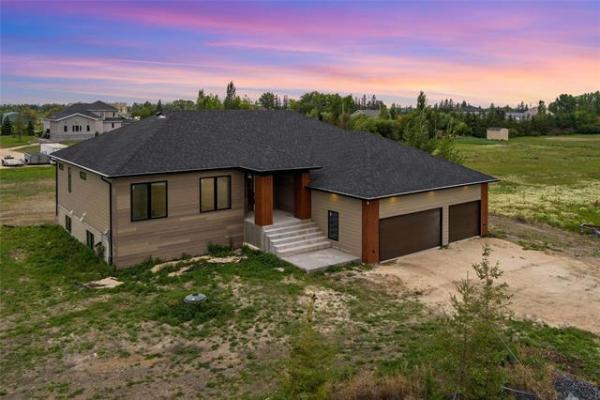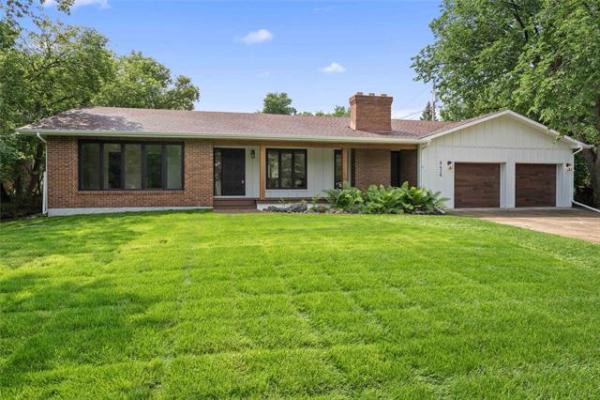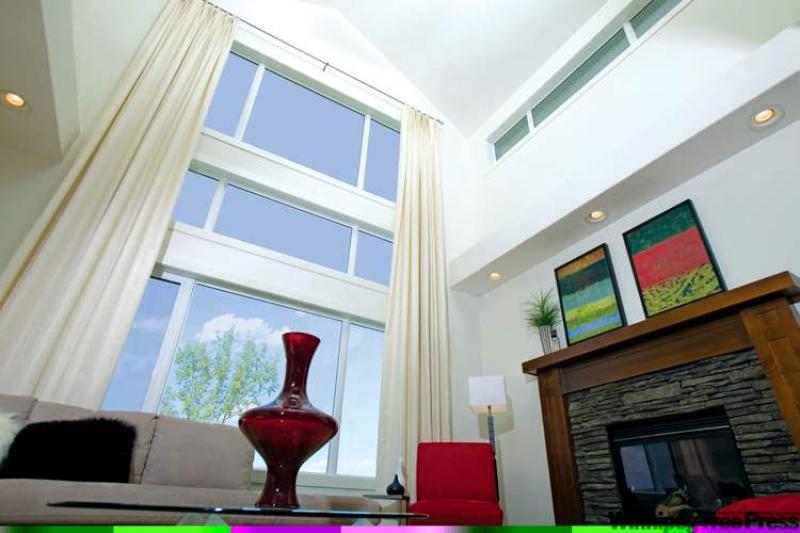
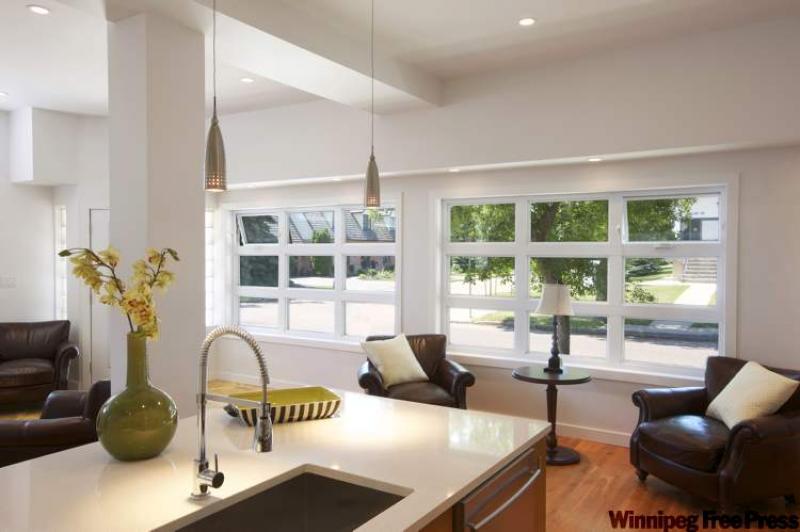
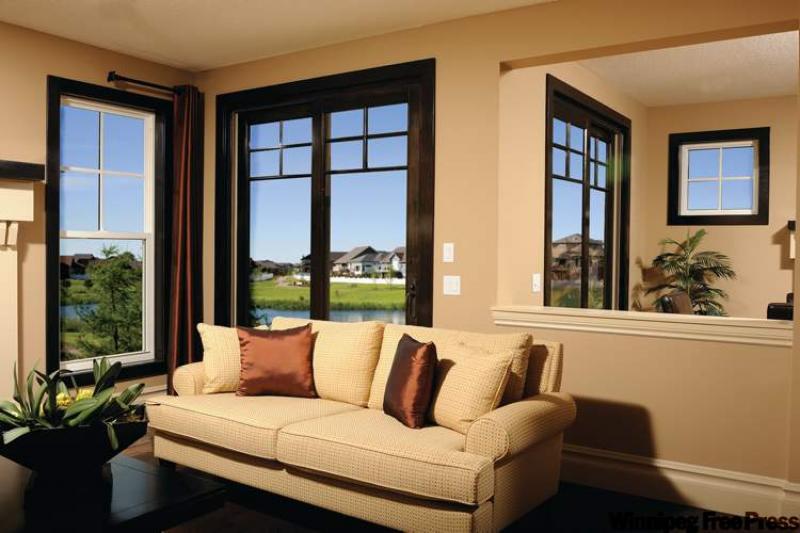
We humans, like the plants and animals we share the planet with, need light. And in our homes, this light comes through the windows. It elevates our mood, connects us to the outdoors and creates a sense of space.
But in many Canadian cities, extreme temperature changes mean window design involves careful consideration.
Wherever a window is cut into a wall, heat can be lost, so window placement is extremely important in our ever-fluctuating northern climate. And, of course, they have to look good, too. Interior and exterior cladding, coatings, window placement and style are just a few of many considerations.
Whether you're contemplating a renovation or designing a new home, windows are a critical element of style, function and, ultimately, how you feel inside.
First comes function.
There are several options in window operation, says Aaron Latimer, spokesman for All Weather Windows. A sliding window is the most cost-effective, but a casement window, one that cranks open and shut, is the most energy-efficient.
Andrew Thompson, marketing manager for Ply Gem Canada, says, "We are seeing that today's homeowners want an energy-efficient, low-maintenance window."
Casement and awning are great choices, as these windows generally have superior performance ratings and provide a great deal of design flexibility.
Next comes construction. There are benefits to both wood and PVC (polyvinyl chloride). PVC windows are durable and corrosion- and water-resistant, where wood windows are warm and lovely. To ensure weatherproofing, all-wood windows are clad on the exterior with metal to form a barrier, Latimer says.
Wood windows are more expensive, but create a timeless look and allow customizing of the exterior cladding in a range of colours, as opposed to white-only PVC. So whether it's a renovation or a new home, wood windows can become quite customized.
Latimer points out that All Weather Windows now provides an option for PVC windows that allows customers to use metal cladding on the exterior. It's a hybrid between the wood window option and the white PVC, he says. This is a real maintenance-free choice, but customers still get the benefit of choosing an alternative exterior colour.
And then comes the glass.
Argon and low-E are industry terms referring to energy-efficiency, and buyers must understand them.
As Canadians, we spend about 56 per cent of our total energy bill on heating our homes and only two per cent on cooling, Latimer says. So with windows, conservation of heat is important.
He recommends choosing window glass that has a high solar-heat gain coefficient. SHGC indicates the amount of solar gain through a pane of glass, so in our climate, the higher the number, the better.
Low-E refers to low emissivity, the capability of a surface to emit heat radiation. In the case of windows, this refers to when interior heat, for which we pay dearly during the winter months, gets reflected back from the window surface rather than exiting to the icy outdoors. In this case, the lower the number, the better.
Thompson points out that coatings do affect the colour and clarity of glass to some degree, but they've evolved dramatically in recent years.
Argon is the gas between glass panes that creates a layer of insulation. Thompson says the gas helps retain heat in winter and block sun in summer, ultimately reducing energy bills year-round. Both double- and triple-pane windows allow for gas fills to further increase efficiency.
In our cooler climate, it's also important to think about window placement. Putting the largest number of windows on the south or southwest side of the home lets in heat and light. This is known as passive solar. If the home is well-insulated, natural sunlight helps maintain some heat in the home.
In addition, any heat gained by the windows needs to be conserved through proper home insulation. Of course, this is recommended for our northern climate.
And finally the fun part: window styles.
There are lots of options available, says Latimer. Internal grilles, colours and brick moulds all add architectural design elements to the home.
A vast array of these elements is available, so have a good idea of your style, whether it's Craftsman, traditional or modern, for example. Windows can then play off the home's overall feeling to make it cohesive and attractive.
Those interested in renovating or building should be aware of upcoming Energy Star program changes, which will result in stricter guidelines for window efficiency. To learn more, check out energy star.gov.
Check out all-weather windows.
Transoms add another, inexpensive element. There are no expensive operating devices, just a solid, immovable, light-giving pane. Transoms can be linear, arched, or peaked.
Renovations require different considerations, Latimer points out. It's about improving the view.
Older homes typically have smaller windows, so creating larger windows is key. Trees may have matured to provide more privacy, so windows might be placed in areas that wouldn't have been appropriate in the home's earlier days.
Bay windows are another option, as they use the original opening, but are pushed out to add space and light to an existing window frame.
Brick moulds are another option. These are exterior frames that make the window appear larger from the outside.
Most renovations have exterior brick moulds, Latimer says.
-- Canwest News Service