-- Richard
Dear Richard -- The ongoing and necessary concern for using green or earthy-friendly products can be confusing. There is much to learn about what is harmful, and what we can do to build and decorate today's homes so that they are safer, more energy-efficient and suited to a healthy lifestyle. Paint is the most common decorating tool available; we are surrounded by painted walls at home and at work. VOCs (volatile organic compounds) are found in varying amounts in most paint products. These compounds are what help paint stick to the surface and dry quickly. However, the VOCs are released into the air or off-gas, primarily while the paint is drying, and can cause skin irritation, respiratory problems and headaches. Manufacturers are all working steadily to reinvent paint with low or no VOCs and there are newly formulated products on the market at this time. Ask your paint professional and check the label for VOC amounts. Just as oil paint was slowly replaced by improved formulations of low-odour, quick drying water-based paints, the next step is creating low VOC paints that have the durability we expect from a painted surface, but with no harmful side effects.
Milk paint is one natural alternative that has stood the test of time. It's safe, extremely durability and shows a classic character connected to its rural roots. It's made from dried milk (casein), limestone and clay, and coloured with natural pigments, coal, berries, roots, seeds and minerals. Authentic milk paint is sold in powder form, and you mix it at home with water in a blender according to directions. For best results, apply milk paint to a raw surface. Unlike regular paint, milk paint bonds permanently to wood's fibers, and will not chip. Milk paint is porous, which allows walls and furniture to breathe, but can be sealed to a warm luster with beeswax or hemp oil.
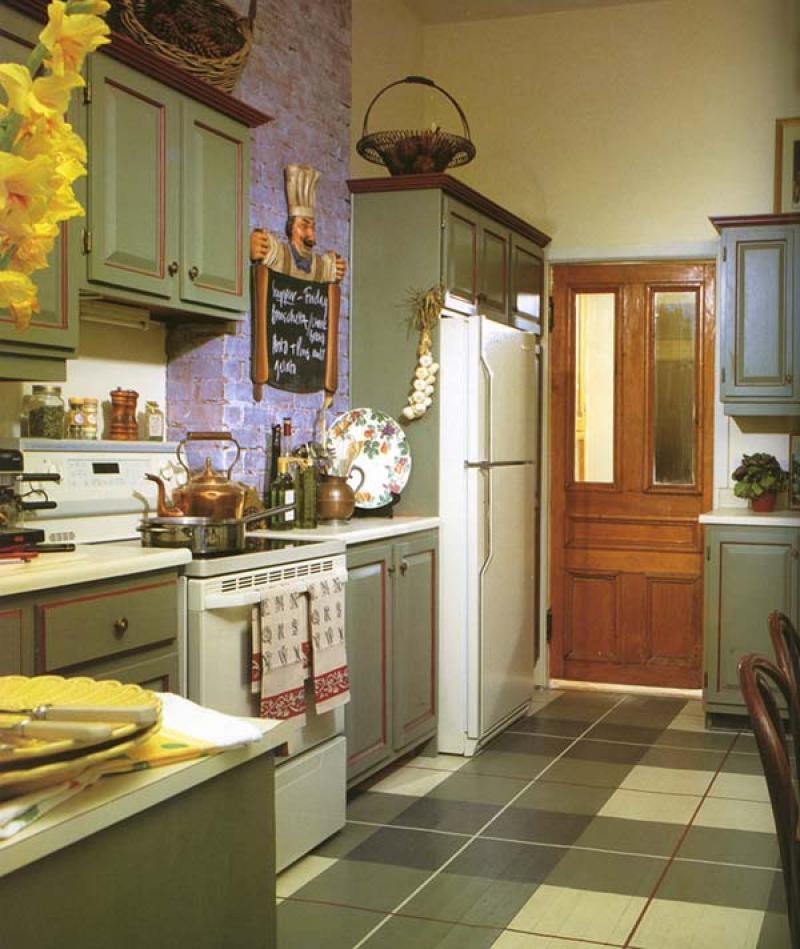
Milk paint adds a period or country look to any surface including walls, so I chose to refinish the cupboards in a century home kitchen with this authentic medium. The sage green base coat was rubbed back in areas that would naturally be worn with age, and red accents were painted on panel edges to highlight the detail. When dry, milk paint has a chalky appearance, which is fine for walls, but I sealed the cabinets with beeswax.
There are many websites that offer information and guidance regarding VOCs and paint products: eartheasy.com, buygreen.com, homesteadhouse.ca or oldhouseweb.com. Search word is paint.
Dear Debbie -- We have noticed in all the decorating shows and magazines that dark wood trim and baseboards are being painted white to "pop" the colours of the walls. We have dark stained wood mouldings and trim, including crown moulding, throughout our traditional home. The walls in the living and dining rooms are white and we would like to add colour. What would you suggest, and do we have to paint the trim?
-- Dennis
Dear Dennis -- Think about the overall feel you want in your home. All that dark wood is traditional, but it can also be heavy. Is this what you like? Certainly add colour to your living areas, but choose pastel, cheerful tones if you are keeping the stained wood. Pastel blue, pink and peach will lift the rooms. If you decide to paint the wood trim, don't do it all at once. Start with the crown mouldings and paint them the same as the ceiling. Then paint the window trim, and finally the baseboards. This will brighten and update your rooms.
Debbie Travis' House to Home column is produced by Debbie Travis and Barbara Dingle. Please email your questions to house2home@debbietravis.com.