Marco Polo Stufano, the former director of the trendsetting Wave Hill garden in the Bronx, N.Y., knew he was breaking all the rules when he put together orange dahlias and pink asters.
He called it the "Barbra Streisand effect, a jarring combination that initially sets your teeth on edge, but yet you learn to appreciate for its strength of character, its gutsiness."
Stufano once told me that whenever he felt he was in danger of doing something terribly safe and boring, he immediately stopped and did the opposite.
"If you're doing some really dull plant combo like putting silver and pink together -- very safe, but yawnsville -- stop, and do the most outlandish thing you can possibly think of and you'll jolt yourself out of your status quo."
Nevertheless, there is still something to be said for colour-wheel gardening -- the art of putting together colour schemes that achieve classical harmonies and contrasts according to the relationship of individual colours on the wheel.
At the heart of the wheel are the three primary colours (red, yellow and blue), three secondary colours (green, orange and purple) and six tertiary colours created by mixing primary and secondary colours to get yellow-orange, red-orange, red-purple, blue-purple, blue-green and yellow-green.
In colour-wheel gardening, you achieve the greatest harmonies when you put flowers together that are next to each other on the typical 12-part wheel.
These are called analogous colours and usually any three colours that are side by side, such as yellow-green, yellow and yellow-orange, are eye-pleasing and evoke a sense of natural harmony.
Colours opposite each other on the wheel, such as orange and blue, red and green, are considered complementary and have a vibrant, high-contrast impact when planted together.
In the garden, blue and orange flowers can make a stunning combination and also have an interesting intensifying effect on each other -- blue strengthens orange and vice-versa.
Silver, white, black and grey are considered neutral colours that can be mixed with any of the others.
How does all this translate into your planting schemes?
Well, many gardeners get so frustrated with colour clashes, they decide to simply group all their warm colours together (reds, yellows and oranges) and all of their cool colours together (blues, purples and greens).
However, this not only takes some of the fun out of gardening, it can reduce borders to boring monochromatic schemes.
A simple solution is to put together any three colours that are an equi-distance from each other on the wheel. Or you can achieve lovely results by sticking to same-side colours, warm or cool, by choosing three colours on the same side but allowing one or two to be more dominant such as yellow, green and blue.
-- Canwest News Service
Some great plants
If you want to try your hand at colour-wheel gardening, here are some great plants in specific colour categories:
Gorgeous greens
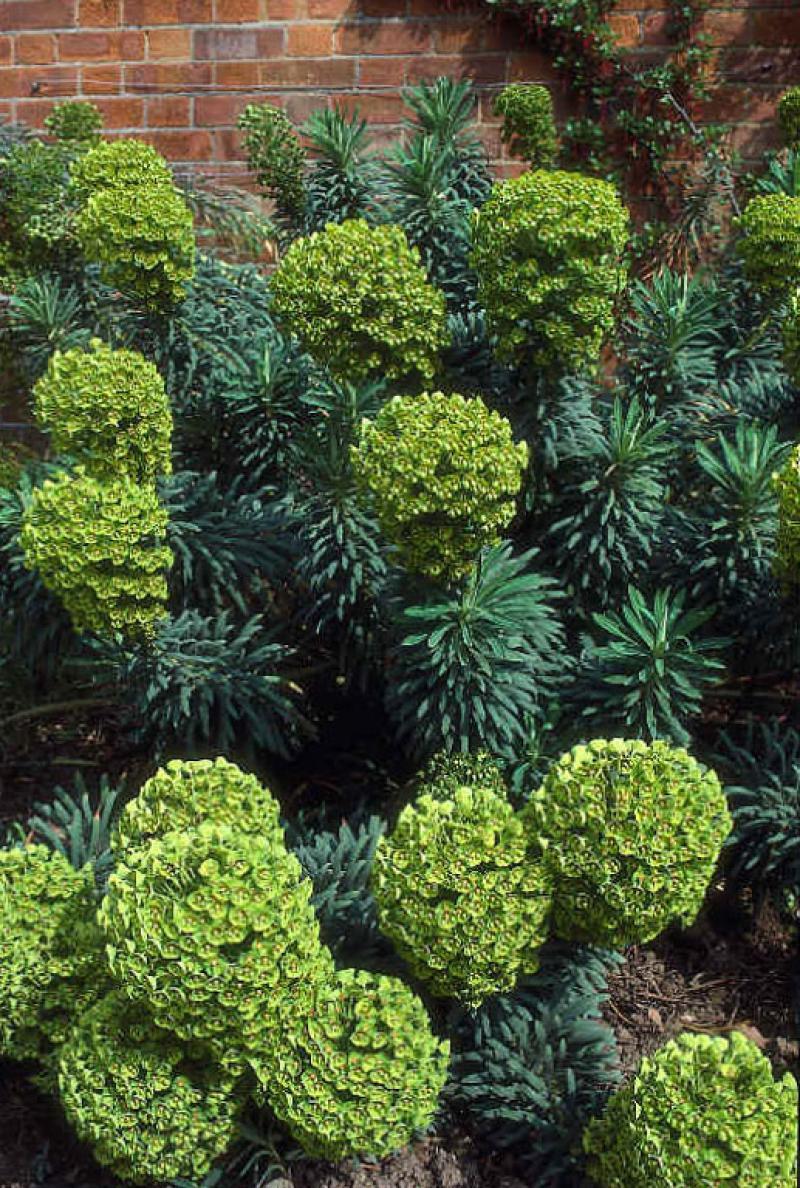
(Above) Euphorbia characias wulfenii
Achemilla mollis (lady's mantle)
(Top) Adiantum pedatum (maidenhair fern)
Albitzia julibrissen
Hosta Canadian Shield
Basic blacks
(Top) Black mondo grass
Ophiopogon planiscapus
Nigrescens
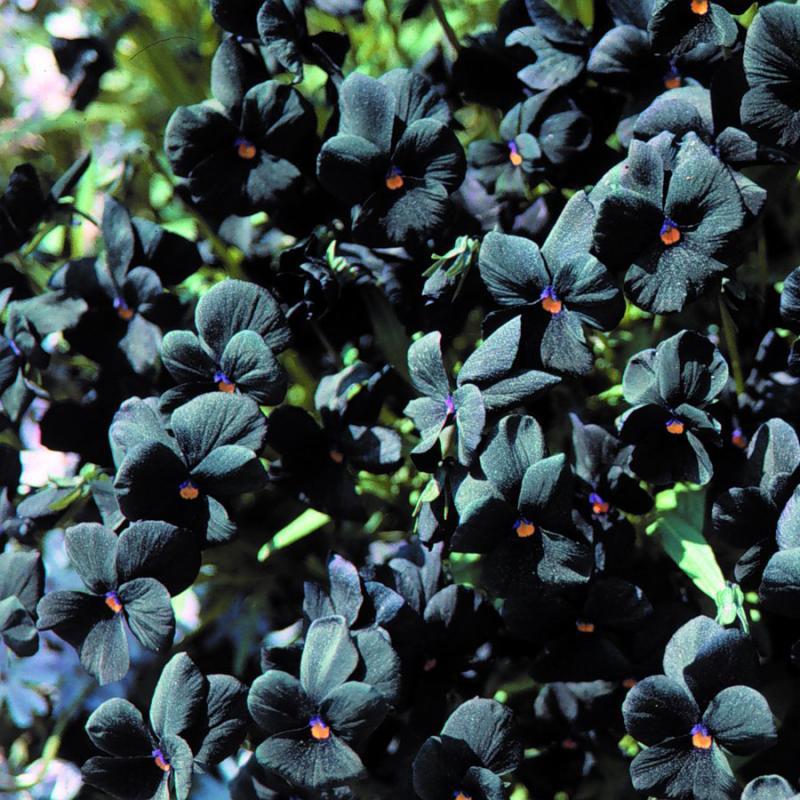
(Above) Viola Black Magic
Sensational silvers
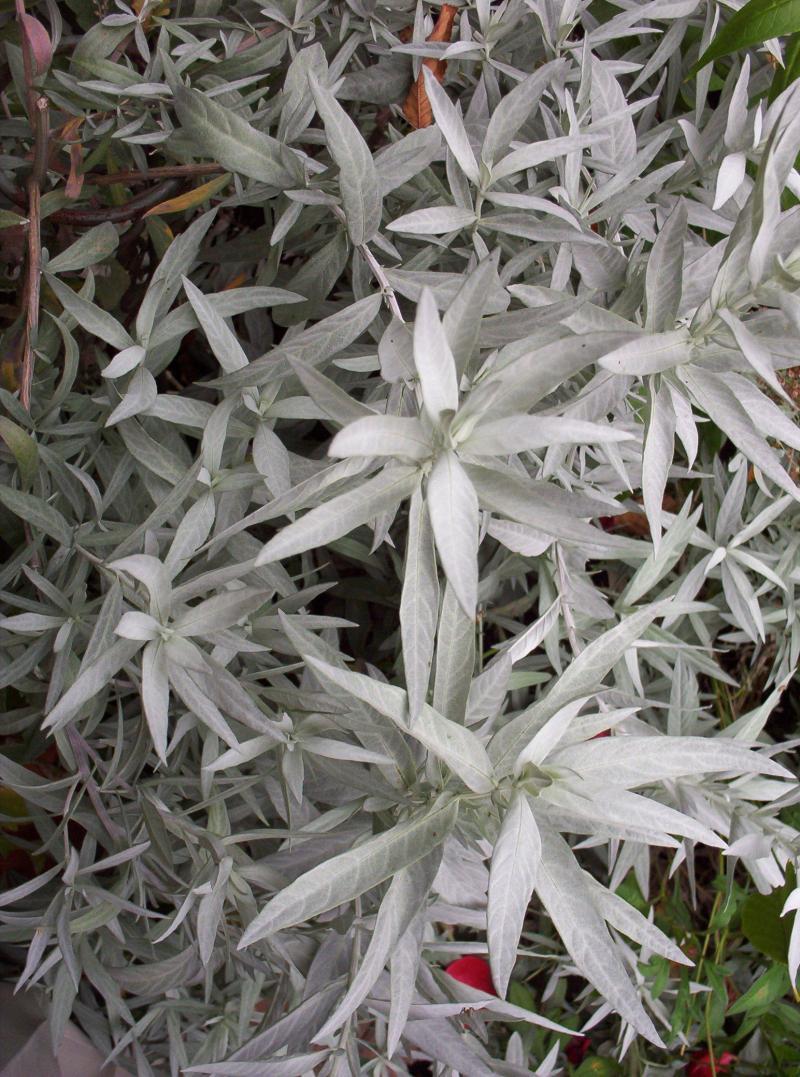
(Above) Artemisia Valerie Finnis
Dichondra Silver Falls
Stachys byzantina
(Top) Euphorbia myrsinites
Beautiful blues
Delphinium Pagan Blue
Campanula persicifolia
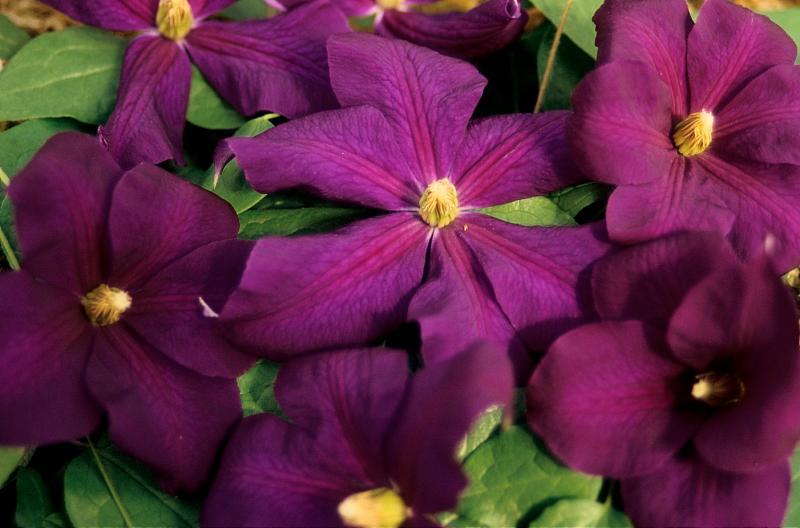
Clematis Rhapsody
Geranium Rozeanne
Hydrangea Blue Wave
Iris sibirica
Nigella damascena (Love in the Mist)
Meconopsis betonicifolia (Himalayan blue poppy)
Juicy oranges
Lonicera Mandarin
Hemerocallis Orange Crush
Potentilla William Rollison
Rudbeckia Indian Summer
Zinnia Profusion Orange
Pretty pinks
Rosa Pink Peace
Hydrangea Claudie
Lavatera Barnsley
Rosa The Fairy
Nicotiana Bright Pink
Paeonia Bowl of Beauty
Brilliant whites
Styachs japonicus
Choiysa ternata
Hosta plantaginea
Hydrangea paniculata
Lilium Casa Blanca
Clematis Snowdrift
Magnolia seiboldii
Philadelphus coronaria
Mellow yellows
Hellenium
Brugmansia
Carex Evergold
Hakonecloa macra Aureola
Hemerocallis Stella de Oro
Coreopsis Moonbean
Magnolia Yellow Bird
Rosa Graham Thomas
Ravishing reds
Clematis Rouge Cardinal
Dahlia Delta Red
Hydrangea City of Paris
Lychnis coronaria Blood Red
Hollyhocks
Monarda Grandview Scarlet
Rosa Opening Night
Salvia splendens