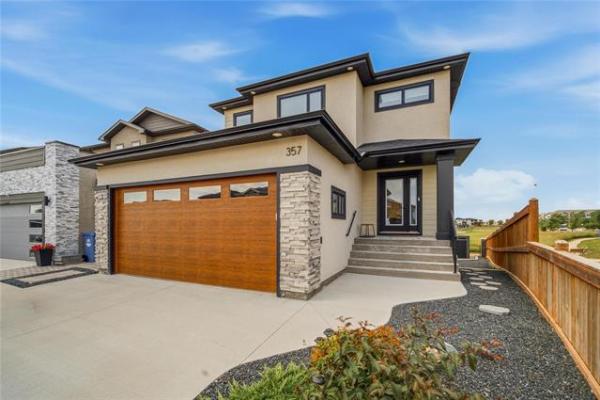
It doesn't matter if you're just starting out in a new home, thinking about selling or just staying put -- buffing up the curb appeal of your house is an absolute must.
How your home looks from the outside is the first impression viewers get of who lives inside. And real estate agents will tell you when it comes to selling, there's no bigger turnoff than a messy front yard or sad-looking front door.
We gathered sage advice from gardening and home professionals to help you spruce up the front of your house.
Clean up
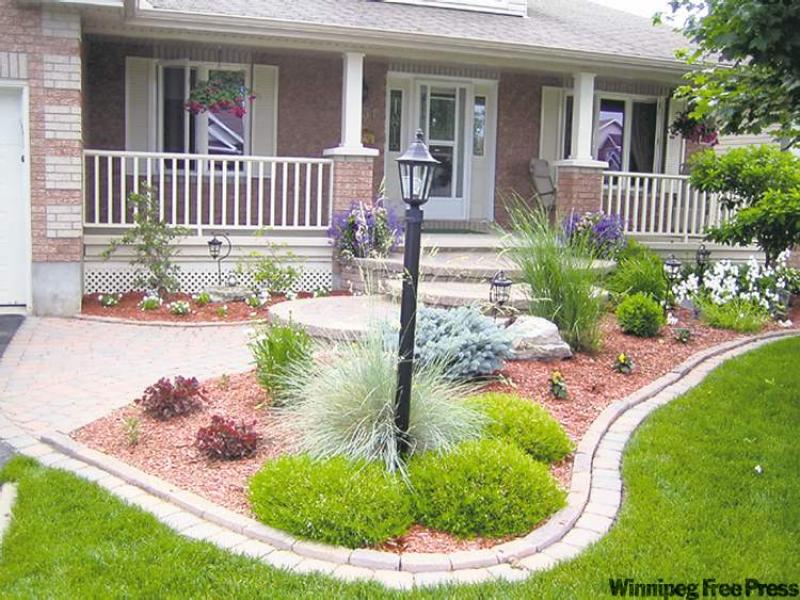
The cheapest way to put a shine on the old address is to grab the rake and get busy. Weed, trim edges for a clean appearance and prune and shape overgrown bushes. Snip off lower branches of pines.
Add mulch or stones under cedars and around flower beds. Just like a new haircut, you will feel lighter by the end of the day.
Urban choices
Most of us live in the city, be it a tight bit of city bliss or in a suburb where neighbours are within touching distance.
Choose trees carefully. Look for compact trees suited to smaller urban lots. If you desperately love maples, be sure they are planted at least 12 metres from your house.
Think about eliminating fences and using joint walkways, garden beds and plantings on smaller suburban lots, especially where there are bungalows or two-storey town houses. Green can easily provide privacy, and it sidesteps the choppy look of fences.
Recreational gardeners
Younger people would rather go to the gym than work up a sweat in the garden, says veteran landscape architect Eva Schmitz.
"They love to sit in their gardens, but they are busy with their children, and they don't want to spend all day digging up clay beds," she says. "They are hiring professionals to do the hard work, preparing the flower beds, laying down walkways."
These are recreational gardeners, with a coffee cup in one hand and trowel in the other. Even boomers and pre-boomers, who spend hours in the garden, are hiring professionals to do the hard work, like spring cleanup, edging, mulching and pruning.
"You have to have a strong back to do some of the work, and backs aren't that strong as we get older," Schmitz says.
Budget time
While some are paying professionals to do the hard work, like building walkways, many are saving by paying for a master plan and then doing their own planting, says Schmitz. Schmitz meets with 30 to 40 clients each weekend, drafting designs for plant choices and hard landscaping such as walkways and retaining walls.
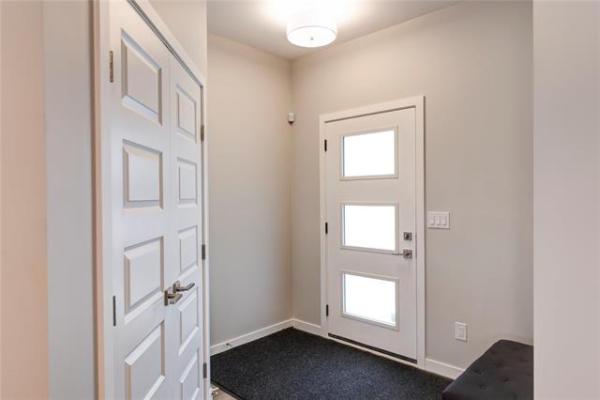
Access: the front door and porch
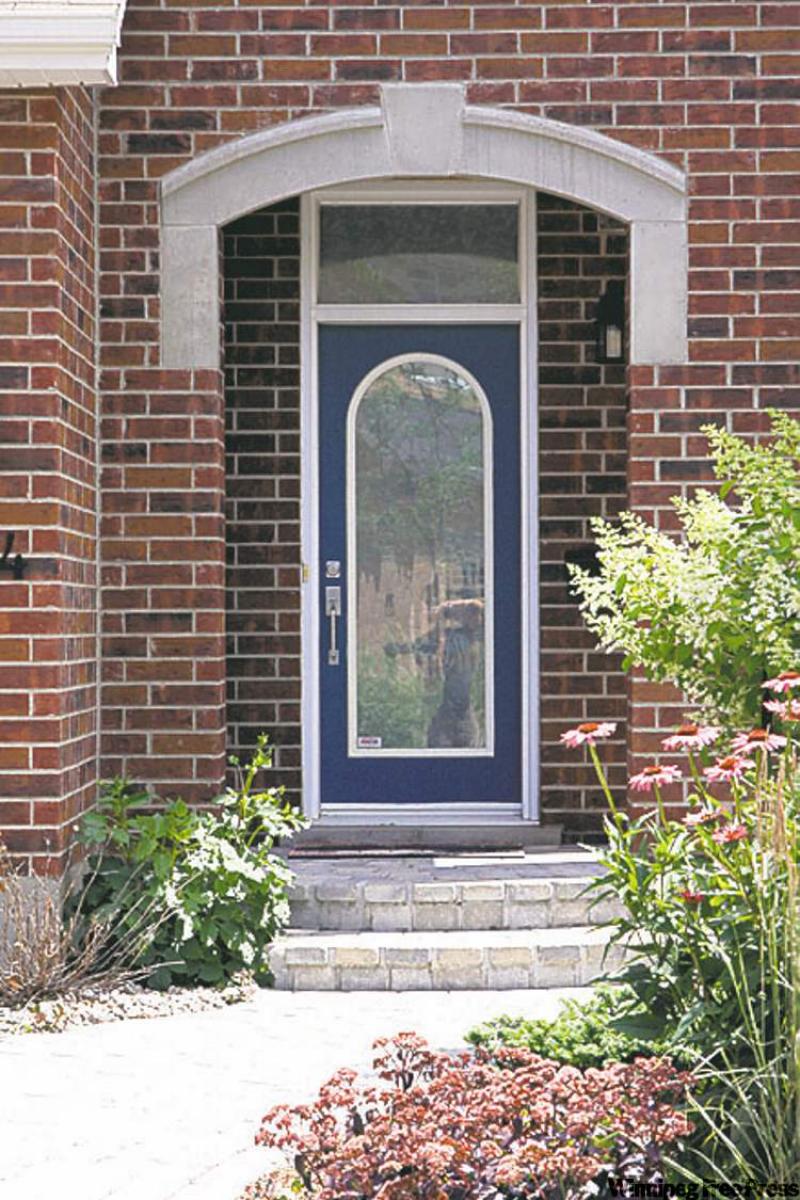
You can spend $28 on a quart of top-quality latex C2 paint or go all the way and pay $3,200 for a top-quality steel and glass front door. For another $500 or $800, you get a piece of stained glass -- there's a trend to larger glass inserts.
When it comes to colour, co-ordinate with trim work and the brick colour. If the exterior is light then go with a dark colour on the door. Avoid shocking colours, including minty greens or light blues. Dignified is better -- avoid emerald green and go with a deep green or a deep sage green.
Then match a new handset, picking up the colours in the glass. Check out Home Depot's smart key by Weiser for $199. Consider adding a helping of roar appeal with a solid brass lion door knocker and team it up with a bronze wall-mounted mailbox.
Add a final touch with distinctive street numbers.
Pots & planters
Small pots can be a problem because they dry quickly in the sun and need water every day. But given the right location, they add a colourful hit to your walkway, front door and patio.
Perpetual perennials
These can be your best friend but choose wisely. Look at the label and zones. In Winnipeg, you want hardy plants that can survive tough winters without having to protect them.
Earth & all the dirt
It's discouraging to start a new garden in a suburban community because the top soil is so thin and the underlying layer is often clay, which traps water, drowning new roots or sucking away valuable moisture.
This comes back to young recreational gardeners who dig, plant and then wonder why their garden doesn't prosper, says Schmitz. You need 30 centimetres (12 inches) of good top soil, while builders often leave just one or two inches.
It's wise to hire a professional to bring in good soil, she says. Raised garden beds are often a smart solution in newer communities.
Annual brighteners
These are the performers that play a starring role in borders, adding colour between green shrubs. Your local nursery and grocery stores and big-box outlets have a huge supply.
Light up the night
There are solar energy lights to shine in your garden and illuminated pots that light up the front walk so visitors don't stumble or fall. Check out door carriage lights, with finishes ranging from white to wrought iron.
When all is buffed, raked and planted, it's time to sit back, relax and enjoy all of your work.
-- Postmedia News