Terra Nova
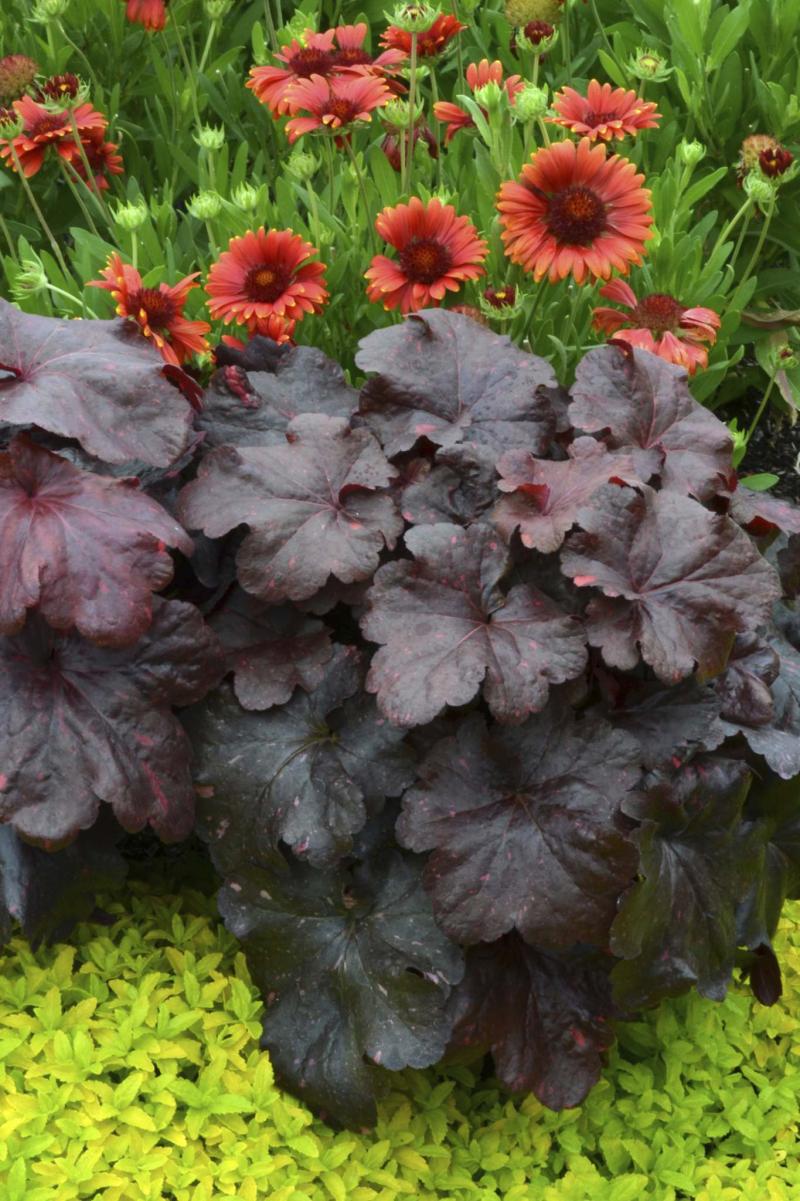
The changing colour of new Galaxy Coral Bells from bright red to purple black is out of this world.
Bailey Nurseries
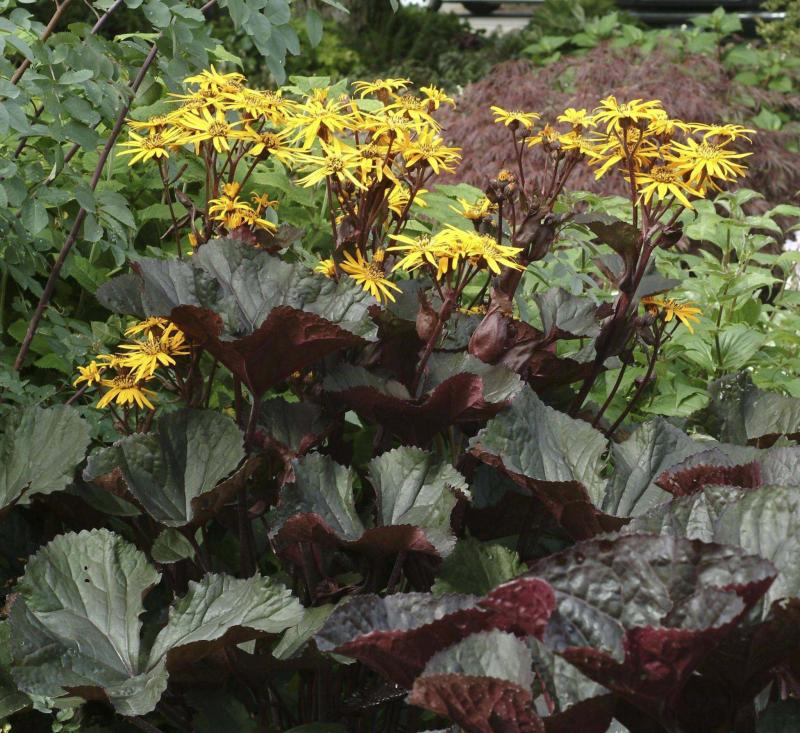
For drama in the shade bed, Britt Marie Crawford ligularia won't disappoint.
Doreen Wynja for Monrovia
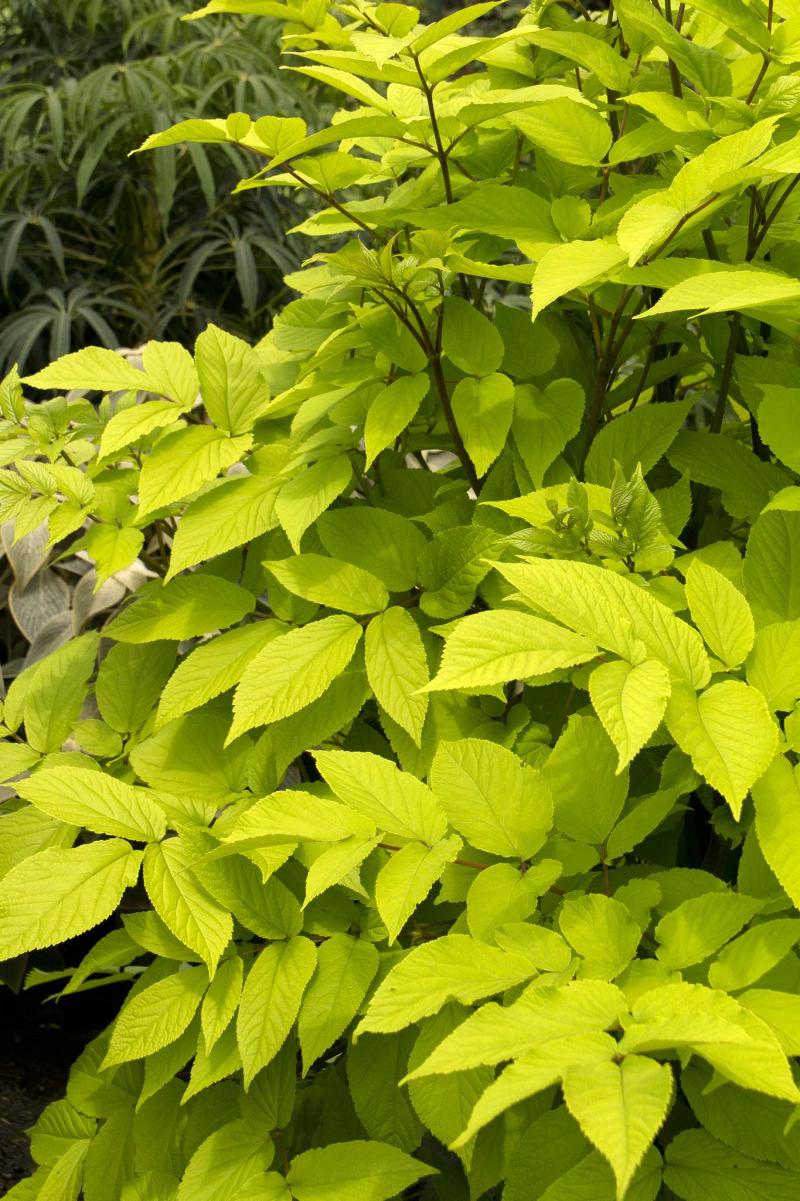
Looking for something other than hosta for your shade bed? Try Golden Japanese Spikenard for a totally different look.
Van Noort
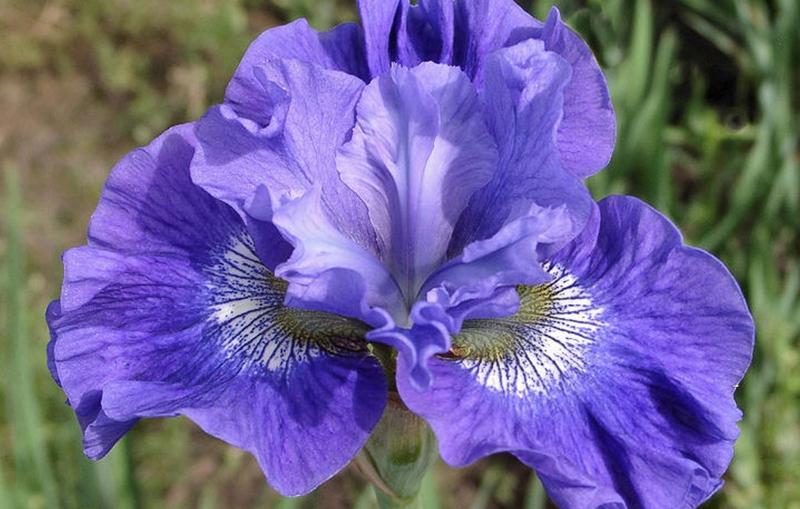
Concord Crush Siberian Iris has stunning blue-violet petals that are slightly ruffled.
Walters Gardens
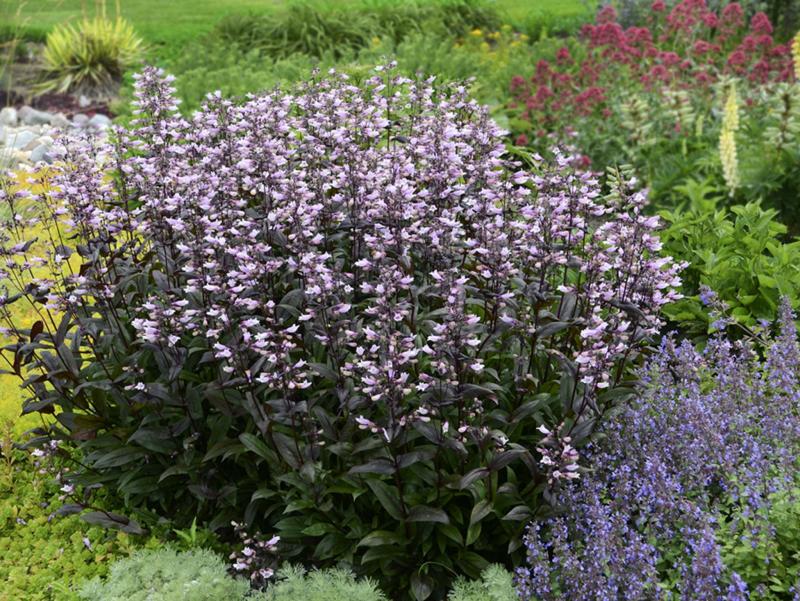
The deep wine-purple colour of Dark Towers Penstemon won't fade even in the hottest days of summer.
Prairie Originals
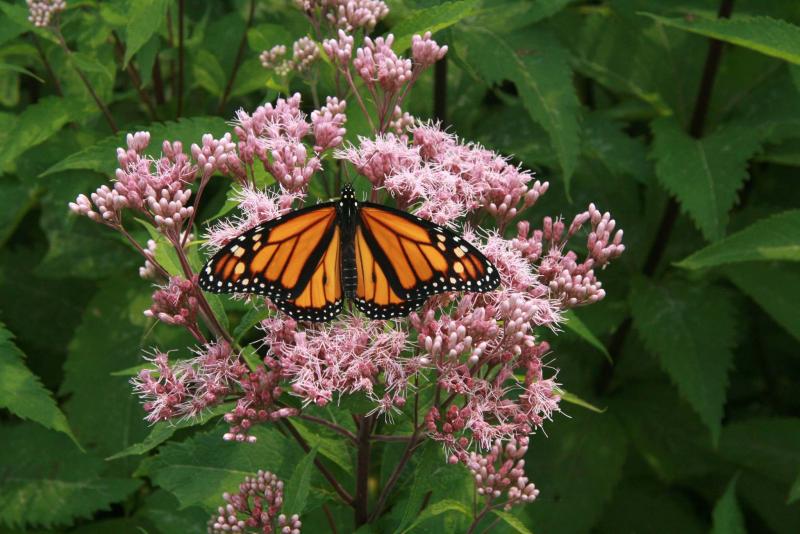
It's not a weed. Joe Pye Weed is a stately, late blooming flower for the back of the perennial border.
Doreen Wynja for Monrovia
Looking for something other than hosta for your shade bed? Try Golden Japanese Spikenard for a totally different look.
Monrovia
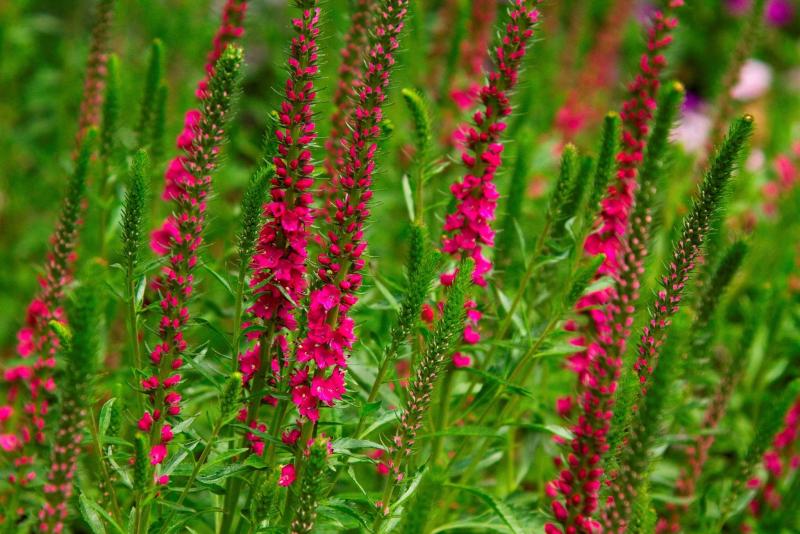
Enliven the front of the perennial border with the fuchsia pink spires of sun-loving Veronica Red Fox.
Rarely if ever is a perennial planting scheme permanent. The selection and arrangement of plants in a perennial bed naturally changes over time as plants grow, mature, re-seed where we don’t want them, expire from natural causes, or simply lose their appeal.
Not satisfied with how your perennial border looked last summer? Some mistakes we have to live with, but fortunately not when they’re perennials. For every plant that needs replacement, there is a new opportunity to achieve the look we want in our perennial bed. Perhaps the back of the border lacks height or drama or more texture is needed in the middle. Or maybe the overall design lacks staggered bloom times to extend the growing season. Specimen plants add interest and intrigue to a design while incorporating broad sweeps of colour can achieve a natural flow.
For plant suggestions for the front, middle and back of the sun or shade border, I talked with five experts from Brandon, Morden, Steinbach, and Winnipeg. Some of their recommendations are for new introductions and some are for the tried and true.
For shade
A plant that met with resounding approval for the middle of the shade bed is Golden Japanese Spikenard or Aralia cordata Sun King. Call it what you will, this is an outstanding addition to shady areas. Monique Rampton, Morden Nurseries, likes it for its bright gold leaves and the vivid contrast it provides in semi-shade to shady locations. I grew Sun King last year in my garden and although it did not bloom for me in its first year, it is said to produce spikes of tiny white flowers in summer followed by purple berries. Erna Wiebe, Oakridge Garden Centre loves Sun King’s vigorous, shrub-like habit (91 centimetre height and spread). Wiebe grows six on her property at the lake and the deer leave it completely alone. Provide some direct sunlight for the brightest colour and mulch for winter.
Wiebe says that hostas always make good choices and recommends the new Jurassic Park, which, as its name suggests, is a mighty big hosta. Its enormous leaves are bright green with a deeply lined, puckered surface. Grows to a height of 71 cm tall but with a big footprint (183 cm) so give this one plenty of space to spread out.
Wiebe also recommends Chocolate Shogun astilbe (60 cm), a new introduction from Japan that offers the darkest foliage colour available for astilbe. Wiebe says the foliage is wonderfully lacy. Blooms are a pale frothy pink.
For mid- to back border, Marcie Bomford, owner of Patmore Nursery in Brandon (Manitoba’s oldest nursery since 1883), recommends Britt Marie Crawford Ligularia dentata. A bold plant with dark green foliage with chocolate undersides and golden-orange, daisy-like flowers, this true shade lover prefers moist soils and grows 90 to 120 cm tall. Bomford likes to trim off the flowers to put the spotlight on the large-textured glossy foliage.
For the front of the shade border, Deanne Cram, Greenhouse Manager for Shelmerdine Garden Centre in Winnipeg, is excited about Galaxy Coral Bells (heuchera). A new introduction from Terra Nova Nurseries in Oregon, Galaxy’s foliage emerge a startling bright red, transitioning to purple black in shade or somewhat lighter tones in part shade. Cram plans to grow Galaxy in her own garden this year.
Rampton likes Luxuriant Fringed Bleeding Heart (Dicentra) for its flexibility in a variety of exposures. "I’ve grown Luxuriant in deep shade," says Rampton, "and love the fact that it blooms throughout the season, maintaining a tidy form." A long lived and low maintenance plant, Luxuriant has finely cut blue-green foliage topped by reddish-pink flowers for a modest, overall height of 45 cm.
There are numerous exciting new hosta varieties for the front of the border this spring. Rampton is carrying Lakeside Paisley Print which has heart shaped leaves with wavy green margins and creamy white markings in the centre with a feathery, brush-stroked pattern.
For sun
For the deep full-sun border, Carla Hrycyna, co-owner of St. Mary’s Nursery, likes Eupatorium Joe Pye Weed which can grow to a commanding 180 cm. "The rigid burgundy stems provide a wondrous cloud of rosy pink plumes late summer through fall," says Hrycyna. For the narrower border, she recommends Eupatorium Baby Joe (90 cm), a shorter variety.
Wiebe says that everyone needs at least one peony in their garden. Her two favourites are Coral Charm and Coral Sunset. Both grow to a robust 80 cm tall and 75 m wide. These prize-winning peonies bloom in June and their green foliage remains attractive all season long. Fragrance is moderate.
Penstemon Husker Red is an underused perennial that tolerates high heat and humidity. A 1996 Perennial Plant of the Year, it brings dramatic burgundy-coloured foliage to the middle of the sunny border in spring and fall. Foliage shows more green tones during the summer. Also known as beard tongue, this mid-sized herbaceous perennial (75 – 90 cm) is one of Bomford’s favourites for its long blooming period. Flowers are white and tubular and borne along terminal racemes.
New for this spring is Penstemon Dark Towers, a slightly taller selection that is said to maintain the dark red colour of its foliage. Blooms are bi-coloured soft and deep pink, June to August. If you have room, try planting this one in a triangular grouping.
For another colourful midborder addition, Rampton picks Concord Crush, a double flowered Siberian Iris with glorious blue-violet, slightly ruffled petals. It’s sometimes easy to overlook early bloomers in the rush to fill the garden with summer bloomers, however, Rampton says that Siberian irises give the best of both worlds – unforgettable blooms in the early part of the season and handsome, grassy texture for the remainder of the season. Provides good contrast as well well with more rounded shapes. With a height of about 60 cm, Concord Crush flowers well in full or part sun and has a preference for well-drained, rich soil.
The colour white has a calming effect in the garden that is especially useful when the garden is too busy. Hrycyna suggests Liatris spicata Floristan White Blazing Star (60 cm) for the midborder. Less commonly used than its mauve-flowered relative, Kobold Blazing Star, Floristan White produces narrow spikes of fluffy white flowers from July to September.
The front of a border, whether sun or shade, provides an important opportunity to create a well-defined area. Grouping similar species together or creating colour drifts that weave through your bed, transitioning from shorter plants in the front to taller plants in the back, helps to lend rhythm and cohesion to your overall design. This is particularly useful in an older, existing bed where perennials throughout need replacing.
For a long season of bloom, Rampton chooses Veronica spicata Royal Candles for its cool, blue spikes. One of the best speedwell varieties available, the bottom foliage on this compact upright selection is less likely to die out if soil is well-draining. Shear for more late season blooms.
Hrycyna recommends taking a look at another speedwell variety, Veronica spicata Red Fox. Approximately the same height as Royal Candles (35 cm), the flower spikes on Red Fox are a bright fuchsia-pink. Whichever you choose, dwarf speedwell has great potential for grouping en masse.
For riveting colour at the very front of the border, Wiebe suggests Campanula Dickson’s Gold. Picture crinkly, bright gold foliage and sky blue, up-facing bellflowers on a plant that is no more than 15 cm tall. Another groundcover to consider, says Cram, is Snow-in-Summer Cerastium tomentosum which forms a low, woolly carpet with white star-shaped flowers in late spring.
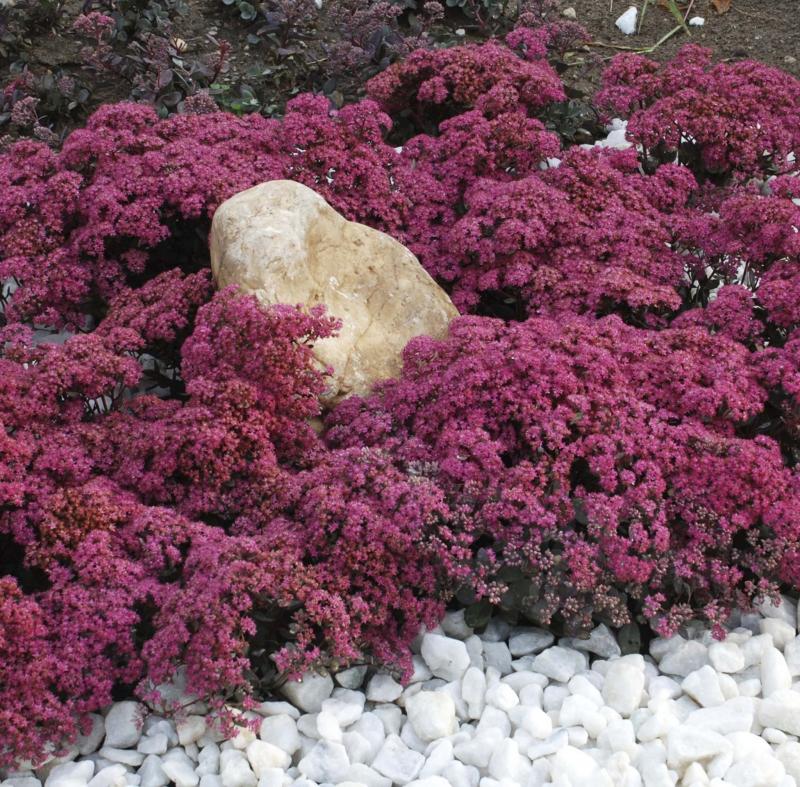
This spring’s lineup of new sedum varieties almost rivals that of hosta and thrive in the heat and sun. For multiple season interest, Bomford recommends Frosty Morn, a taller sedum variety that grows to 38 cm. Light blue-green leaves are edged in white. Beautiful large clusters of light pink flowers bloom in late summer.
Bomford is impressed by another sedum, T Rex. Plant this new variety closer to midborder to accommodate its height and width (60 cm by 81 cm). With parentage by Autumn Joy, T Rex promises greater resistance to stem rot. Bigger and better, its rosy pink blooms provide beautiful late season colour.
Expect SunSparkler Dazzleberry sedum to be widely available. Blooming earlier than most, flower clusters are raspberry coloured and up to 22 cm in diameter. Foliage stays a unique smoky blue-grey from spring until fall. In addition to Dazzleberry, Hrycyna plans to carry the entire series including Firecracker, Jade Tuffet, Lime Twister, and Lime Zinger.
colleenizacharias@gmail.com