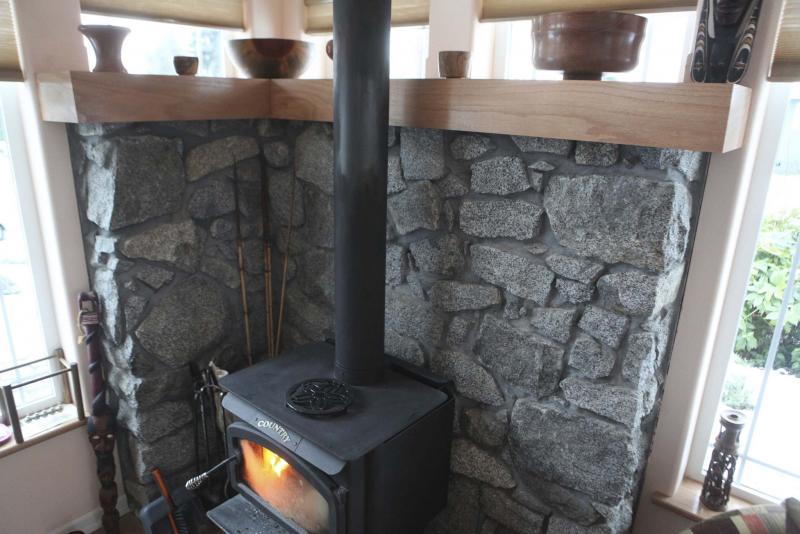
Question: Our wood stove smells even when it is not in use. We have cleaned it; however, on cool days it tends to carry the same odour as it does after a fire. Any suggestions?
— Brian
Answer: As long as you are sure your stove and pipe are clean and that there is no creosote buildup, I have one easy solution to try.
Open the doors and sprinkle a liberal amount of kitty litter on the surface. Close the doors and the smell will quickly disappear. Remove the kitty litter before use.
Feedback from Brian
I have had kitty litter in my wood stove for two weeks and the smell is gone. Thank you.
Question: I have two old dressers made out of wood. They both stink. How do I get the smell out of them? They are more than 50 years old. Thanks for your answer in advance.
— Debbie
Answer: Mould is a common cause of musty odours. Here are a few tricks: wipe down the entire piece of furniture with Murphy’s Oil, vanilla or vinegar. Inside the furniture, place either coffee grounds, a few bags of charcoal, a bowl of vinegar, a bowl of vanilla, sprigs of eucalyptus or fabric softener sheets. Lay newspaper on the floor of the cabinet to absorb odours.
If the smell remains, the problem is likely coming from old basswood, which is was often used for the interior parts of drawers and furniture frames. Over time, basswood gives off a musty odour.
Seal the unfinished wood on the interior of the furniture piece with a coat of shellac.
Apply a second coat, making sure to reach all areas of the wood.
Question: I baked the same butter tarts that I have baked for years, but this year they seem to have crystallized within one week. I have had this happen after a couple of months, but not this fast.
I was told by someone to add a touch of cream to the recipe and that would solve the problem, but it didn’t.
Answer: Are you adding corn syrup to the recipe? Corn syrup is a great way to prevent crystallization in butter tarts. Is your sugar fresh? Are you using a different baking sheet?
Storage containers, humidity in your home and fridge temperature may also make a difference in the life of the butter tart.
Question: We are from Winnipeg, but live in Cold Lake where we manage a bed and breakfast with 11 bathrooms. The counters are composite, but not smooth Formica. The surface is a bit rough or textured. As we cater to young oil workers, they leave water on the counters and we have some white hard-water stains, which my wife would like to remove.
After trying CLR, paper towels and plastic wrap overnight — and the same process with baking soda — we still have the white stains.
We have your book but packed it away, and Barb suggested I look up the "clean everything" lady from Winnipeg, so I looked you up and found your website. Any suggestions?
— Code
Answer: Not only do I agree with your solutions, I also agree with the order in which you are actively attacking the challenge.
At this point, I would also soak the areas with white vinegar; pour vinegar onto the stains, add one tbsp. baking soda. Leave the area for an hour and wipe. Observe whether the stains are gone.
Note: Every user assumes all risks of injury or damage resulting from the implementation of any suggestions in this column. Test all products on an inconspicuous area first.
Reena Nerbas is a popular motivational presenter for large and small groups; check out her website: reena.ca. Ask a question or share a tip at reena.ca.