I must have been in my early 40s the first time I started pushing away the last mounds of snow and was elated to uncover the first snowdrop of spring or cluster of fresh, green foliage.
I'm sure it's the sensory deprivation of winter that makes spring blooms greener and their fragrance exhilarating, but I am convinced the plants of April and May are some of the most glorious and useful of the gardening season.
If you're looking for great performers, then consider some of the following spring stars.
Whether it's the result of climate change, the presence of urban micro-climates or simply the intrepid determination of gardeners, some tender perennials are now grown in our colder zones. This is great since we can now find plants at the nursery that were once considered exotic and came with a stern warning: You can't grow that here.
Hail to the hellebore
The hellebore was always known to me as an English churchyard flower, resplendent in its pink and purple blooms during the temperate British winter.
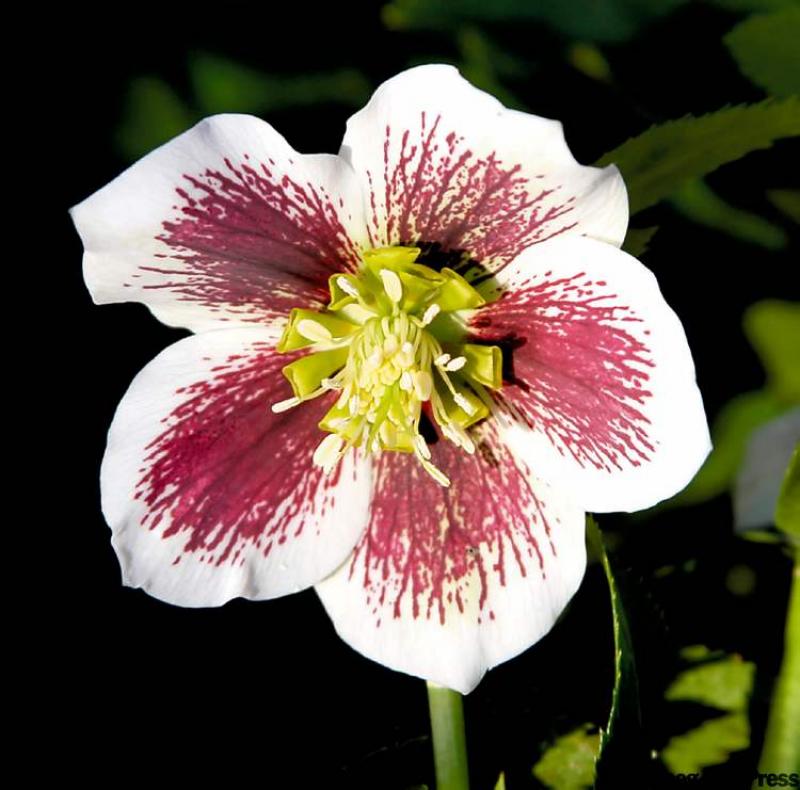
Surprisingly, the lenten rose or helleborus orientalis (rather than the less robust christmas rose, helleborus niger,) is a strong grower when placed under the shade of an apple tree or in a north or east-facing garden.
With shiny, unusually rigid leaves, this hellebore slowly grows into a strong clump (up to one-and-a-half feet tall and almost two feet wide) that retains its crisp, deep green colour and sturdy form all season.
Although its foliage is considered evergreen in warmer areas, it is best for local gardeners to snip off last season's leaves to make way for the new ones. This way there will be a clean slate for the emerging blooms. Happily, this is essentially the only maintenance you'll need since the hellebore doesn't need dividing (it actually resents being disturbed) and will grow in average soil. In my experience it is also pest and critter resistant, but do be careful because it is considered toxic and can cause dermatitis.
When the hellebore flowers start to unfurl in early spring, the downward-facing blooms yield stunning colours and spotted petals that are like hidden jewels waiting to be discovered.
With growers madly hybridizing these plants, you can find single and double selections in many shades of pink, rose, purple, white, green and yellow. And because of its beauty, ease of culture and reliability, this gem was selected as the perennial plant of the year for 2005.
The stalwart barrenwort
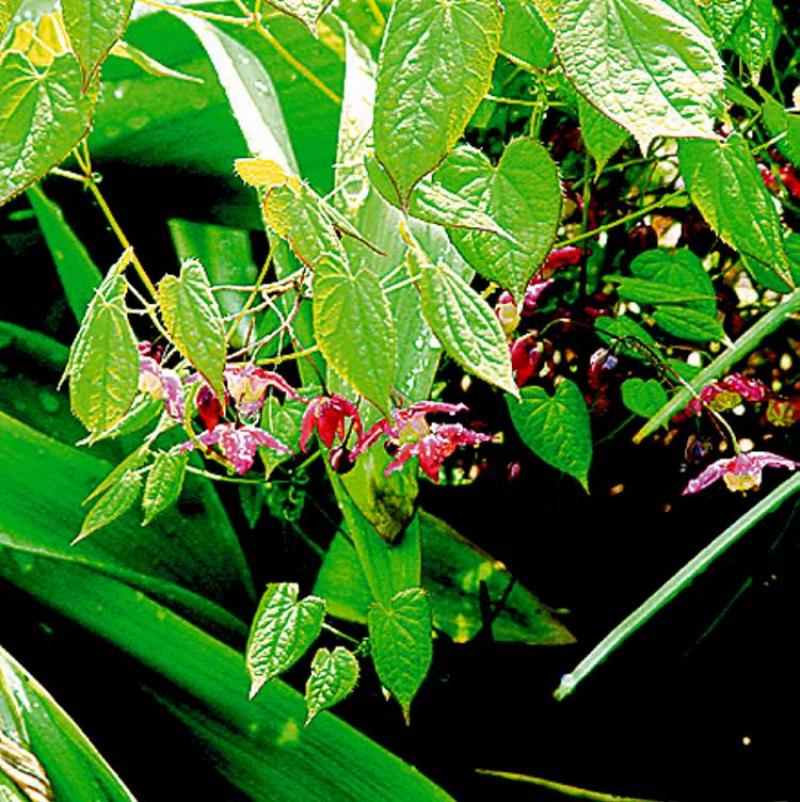
Another early jewel and stalwart perennial is barrenwort which is known as bishop's hat or fairy wings or by the botanical name of epimedium. This plant is similar to hellebore in that the leaves are also considered evergreen. They are smooth and often edged in russet tones, standing up reasonably well to winter's abuse, but again are best retired in spring in favour of their fresher successors.
Both the foliage and tiny blooms are held up by wiry stems, but the most common form of this plant (epimedium x rubrum) is in no way a sensitive creature. It can develop into a generous colony if given fertile soil and consistent moisture (although it will thrive in dry shade once settled), and reach one foot in height and about two feet in spread.
The spring flowers on epimedium are like miniature orchids, best appreciated from a close distance and their most common colour is reddish pink. More refined forms offer either yellow (E. x versicolor 'sulphureum') or white (E. x youngianium 'niveum') flowers, but in my garden these species have taken longer to establish and are less hardy.
New hues of the bleeding heart
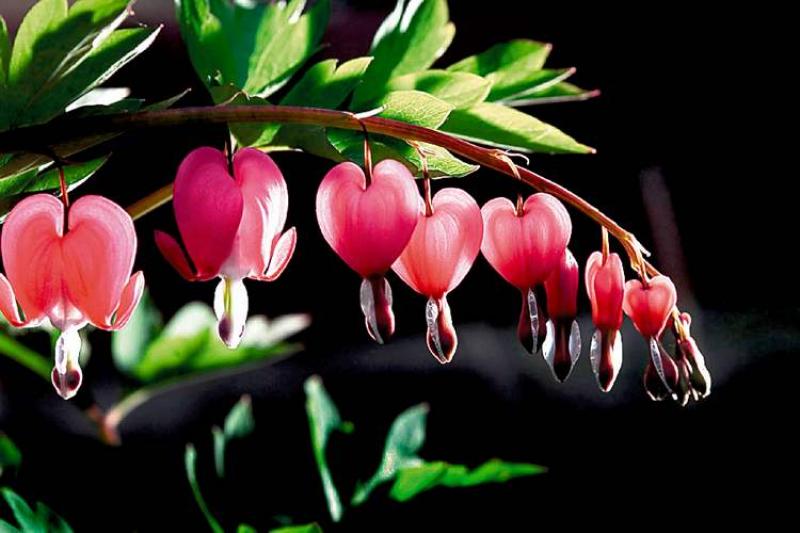
One of the most well-known spring perennials is the bleeding heart, but its newest incarnation is an unlikely star. The commonly accepted no-no of combining pink and yellow, is unabashedly ignored in this drop-dead stunner. Any occasion for yellow foliage in a shady garden should be heralded, for it draws the eye into a dim and undefined space. So, give a young pink blooming dicentra spectabilis 'gold heart' summer shade, as well as compost for fertility and to retain moisture through the summer's heat and you'll be rewarded with a perennial with the presence and longevity of a shrub.
In my garden, this plant reached its full stature of three feet tall and wide by its second season and contrary to popular belief, will not necessarily go dormant in July or August if provided with optimal conditions.
See you soon at the plant nursery.
-- Canwest News Service