Everyone knows I'm not a big fan of people doing work around their home that they are not qualified to do. Leave it to the pros and you should only have to do it once.
But getting a professional to do every little thing your home needs can be expensive -- I get it. So I'm OK with homeowners trying simple stuff, such as painting, minor caulking, refinishing the deck or doing a backsplash -- as long as they do the proper research and learn every detail when it comes to doing the job right.
But if something goes wrong, or you're not happy with the results, what's the worse that can happen? You hire a pro to fix it. It's inconvenient, but really, no major harm done.
However, when I hear homeowners tell me they do their own electrical, plumbing, or air conditioner repairs -- and they are not electricians, plumbers or HVAC pros -- I get very, very nervous. Because screw up one of those jobs and you not only jeopardize your entire home, but more importantly, yourself -- especially when it comes to electrical work.
Not even changing an outlet or light fixture is DIY, partly because if you don't know what you're doing you could get seriously hurt, or worse. Even pros run into accidents!
Don't put yourself at risk. Always hire a licensed electrical contractor for all electrical work. This pro can tell you exactly what type of work your home needs, and either does it themselves or brings in the right electrician to do it.
A licensed electrical contractor also knows what's code, and they will make sure your home's electrical meets it.
Most renovations -- bathrooms, kitchens, basements, even some decks -- require some type of electrical work. We're already in full reno season, so if your home hasn't been looked at by a licensed electrical contractor in the last four years, you should definitely bring one in. The sooner you do this the better, because electrical corrections that might need to be made (and that a building inspector might catch) could delay other trades.
The rule is to get your home's electrical checked every four years; electrical parts wear out, just like everything else, and code gets updated.
If you're considering buying a home that's 15 years or older, or you've already bought one, get it checked by a licensed electrical contractor -- especially if it has a finished basement. If the basement is finished, pull the permits on it. If there aren't any, I would definitely bring in a pro to check it out.
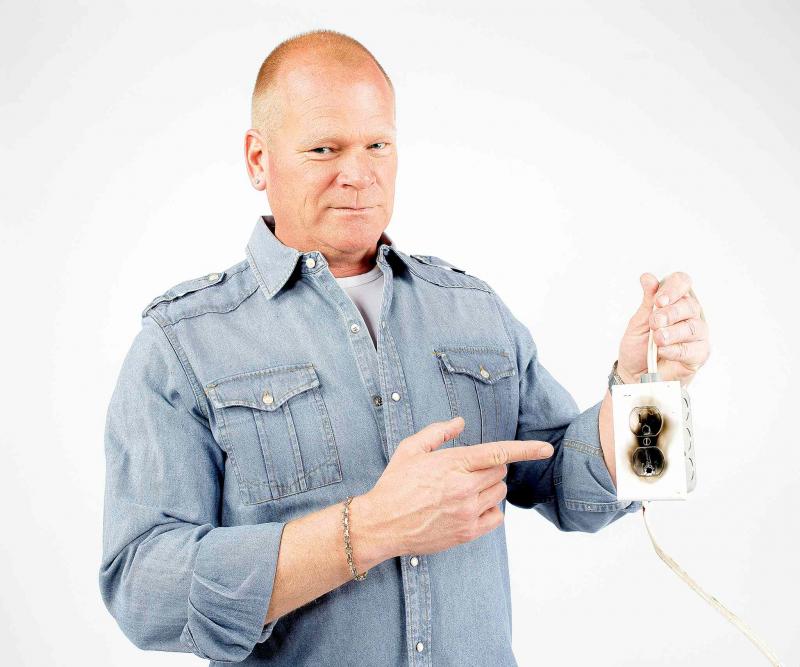
And look for warning signs: flickering lights; a burning smell when you use certain outlets; breakers that always trip; fuses that always blow; discoloured wall outlets; outlets that spark; and outlets or switches that are hot when you touch them.
Fixing these problems is more important than any reno project -- it should be your top priority. Electrical fires are more common than you think, making up 20 per cent of all fires in Canada.
Electrical safety is year round. We can't let our guards down just because it's warm outside. For instance, warmer weather means using air conditioners, and too many people have been electrocuted while working on their units.
The bottom line is leave all electrical work to the pros. That way you can make it right and make it safe.
Watch Mike Holmes on Holmes Makes It Right on HGTV. For more information visit makeitright.ca.