MARILYN LATTA
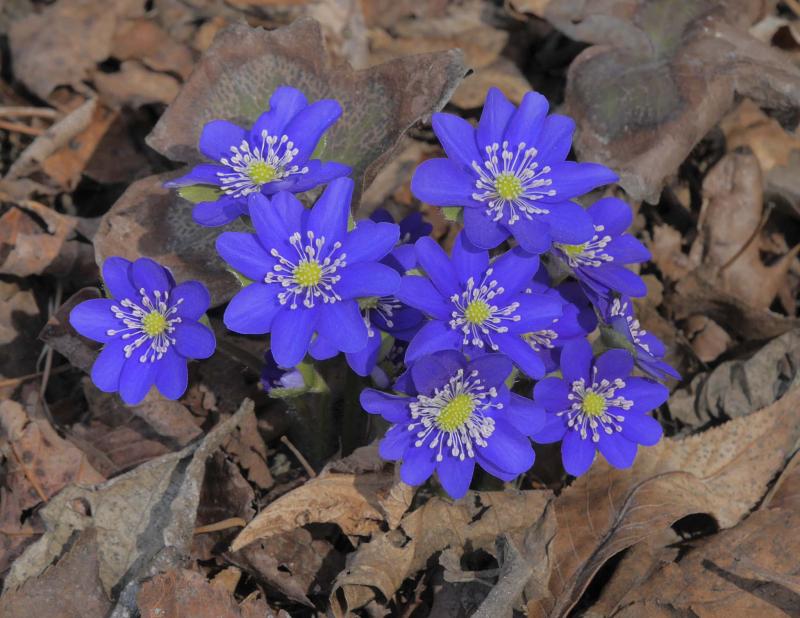
Gorgeous blue colour and an abundance of white stamens make Hepatica a worthy addition to your spring garden.
BECKY SLATER
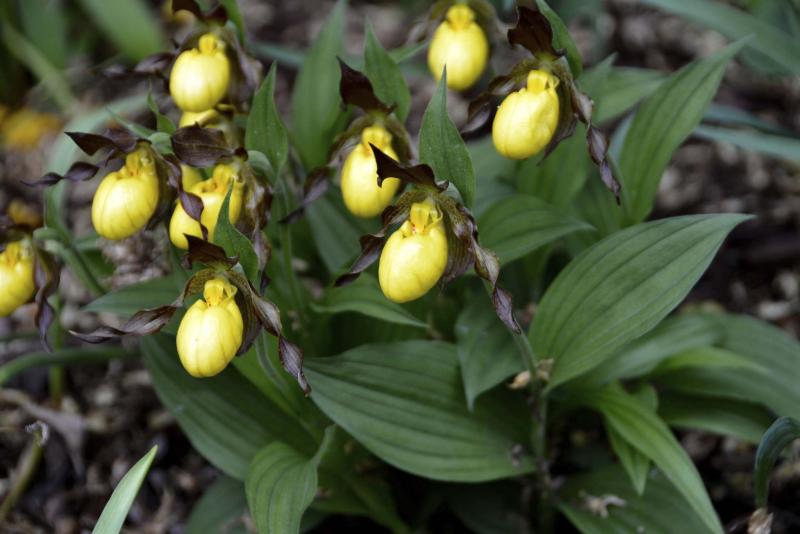
A beloved native plant, Yellow Lady’s Slipper, delights with rows of slippered blooms.
MARILYN LATTA
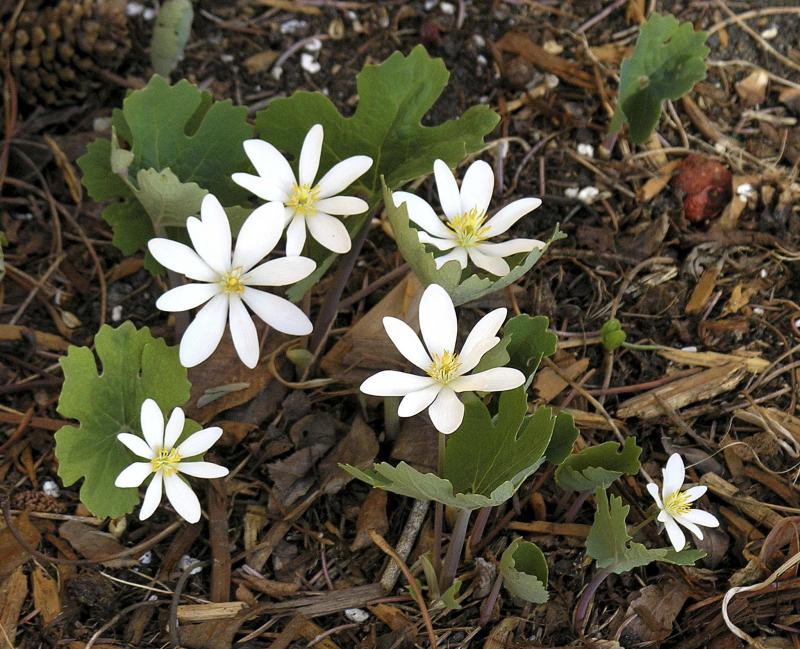
Bloodroot’s unique foliage outlasts its beautiful, fleeting blooms.
MARILYN LATTA
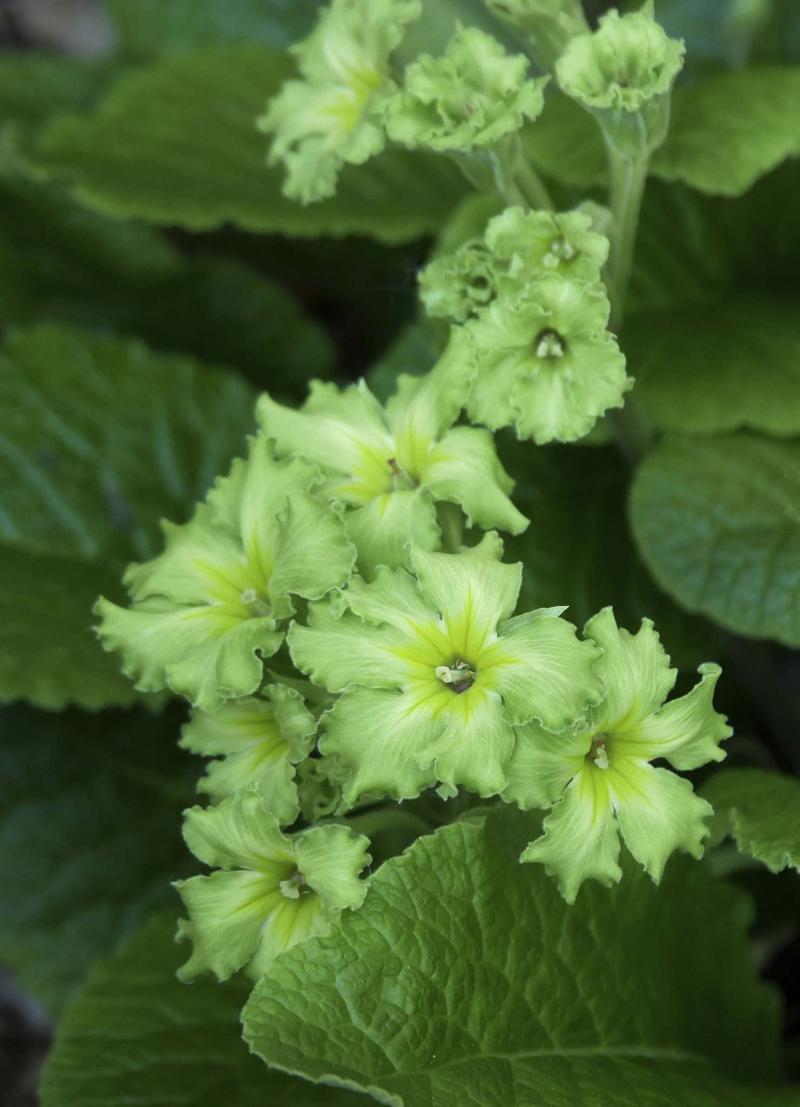
Francesca primula’s apple-green flowers maintain their good looks throughout summer.
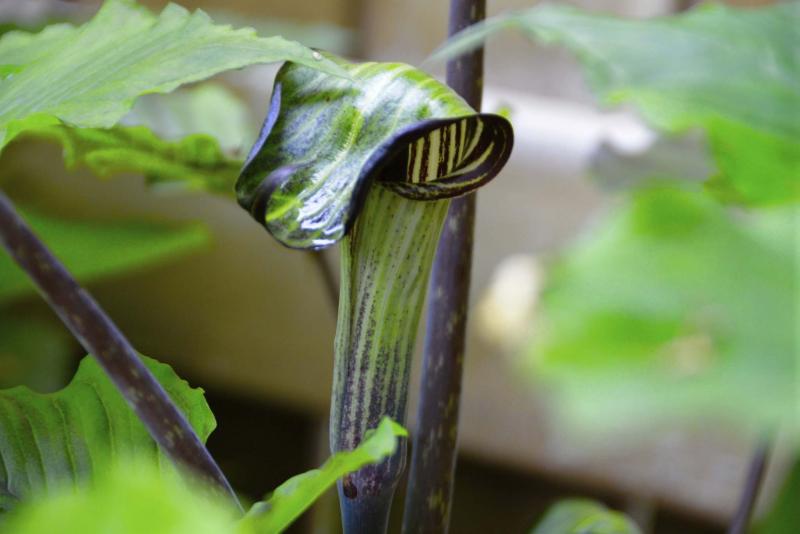
Looking for a bloom that is spectacularly different? Look no further than Jack-in-the-Pulpit.
MARILYN LATTA
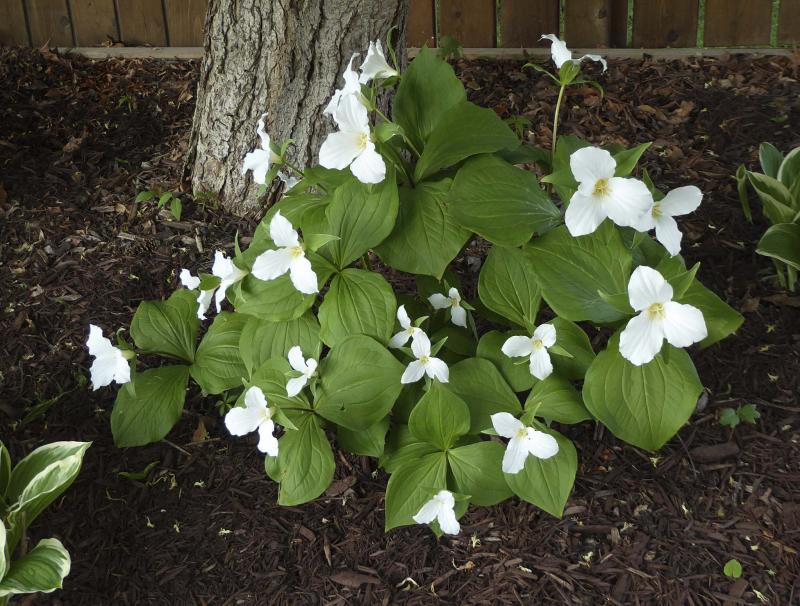
Trillium’s long-lasting blooms float above whorls of dark green leaves.
Whether you call yourself a gardener or not, it’s almost impossible to not take notice of the seasonal changes all around us.
Everywhere we go, outdoor spaces are made more beautiful as the season progresses, with leafy trees and plants at different stages of their bloom cycles. Some perennials are already done for this year, while others are getting ready for their first show. Interested mainly in what’s yet to come? It’s true many of us are content with one or two early blooming specimens (a few tulip bulbs and a common lilac, perhaps) that serve as the aperitif to summer’s full-blown buffet.
Step into Marilyn Latta’s Winnipeg backyard and discover a spring garden that uses sweeps of vivid colour and a collection of unusual early bloomers. By deftly planting a series of wildflower and woodland perennials with their own bloom time, Latta achieves a seamless transition from one season into the next.
Familiar with the upfacing, short-stemmed flowers of pasqueflower (Pulsatilla vulgaris) and snow crocus (Crocus chrysanthus)? Latta combines their fleeting blooms with the lesser-known liverwort (Hepatica nobilis), whose purple blue flowers shine with an abundance of white stamens offset by large three-lobed, leathery leaves. It’s bloodroot (Sanguinaria Canadensis), though, that captivates Latta from its first early appearance, its vivid white flowers seemingly cupped by deeply scalloped, multi-lobed leaves. The bloom period for bloodroot, says Latta, is five days for each bloom and worth waiting for.
While these strike the first note, providing nectar for early pollinators, others such as globeflower (Trollius) and woodland phlox (Phlox divaricata) fill out their garden spaces with leafy texture and masses of blooms. More stingy with its blooms, Jack-in-the-Pulpit (Arisaema triphyllum) offers one of the most fascinating forms in the spring garden. Native to eastern Ontario, its leaf stalks grow from an underground tuber.
At the top of its leaf stalk, a short spiky peduncle begins to grow outward, almost like a shield. The flower that appears, nearly hidden beneath the large showy leaves, consists of a dark purple and green sheath-like spathe (pulpit) that forms a handsome striped hood over the top of the flower-bearing spadix (jack).
Jack-in-the-Pulpit has a preference for moist, woodland conditions in a shady part of the garden. Latta grows hers beneath the shade of a mature Ohio Buckeye tree in a loamy bed mulched with natural wood chips that help to conserve moisture.
Nearby, an enviable, bushy specimen of Trillium impresses with its spotless white three-petalled flowers floating above three-sectioned whorls of dark green leaves. As the long-lasting flowers of Trillium slowly fade, the distinctive shoe-shaped orchid blooms of Yellow Lady’s Slipper (Cypripedium parviflorum) take centre stage. This is one plant in the garden Latta takes care to never fertilize in order to ensure the mycorrhizae, which occurs naturally in the soil beneath, is not affected in any way.
"Orchid seeds are naked," says Latta, "and will not germinate without mycorrhizal fungi."
Sweet Cicely (Myrrhis odorata), even once its large, airy umbels of tiny white flowers reminiscent of Queen Anne’s Lace have faded away by mid-June, continues to provide beautiful fern-like texture in the landscape. It grows to a height of 90 cm. Latta trims back the spent blooms and provides even moisture and protection from the afternoon sun.
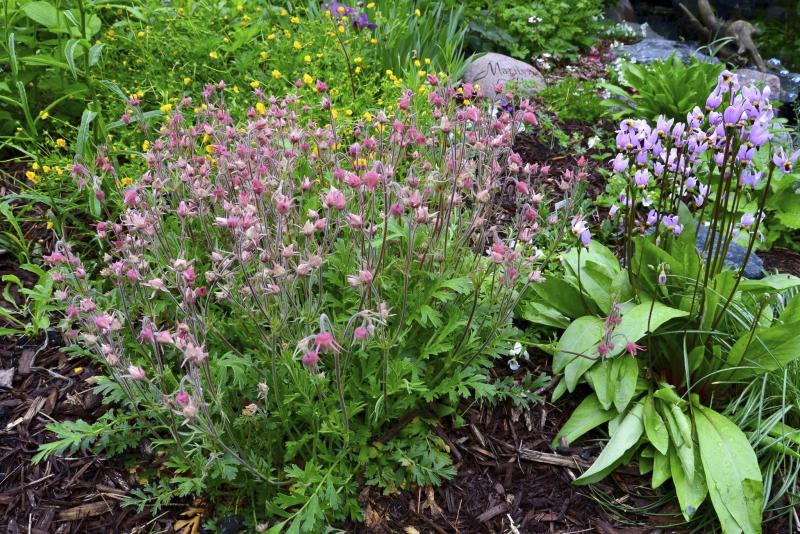
With the architectural framework of a Pagoda tree serving as a backdrop, Three-flowered Avens (Geum triflorum), also known as Old Man’s Whiskers, thrives in full sun. Medium-sized, it grows to a mature height of 40 cm and produces masses of rose-coloured flowers in groups of three. A hardy native with finely dissected evergreen leaves, the seed pods of Three-flowered Avens look like a puff of smoky pink in summer, hence the plant’s other name, Prairie Smoke. Latta ensures a well-draining soil as geums will not succeed in standing water.
Shooting Star (Dodecatheon pulchellum), on the other hand, provides a pretty but much shorter display. Lilac-coloured, cyclamen-like blooms appear in May. Interestingly, Latta says once the flowers finish blooming and set seed, the plant essentially disappears as the foliage, which grows from a basal cluster, dries up and goes dormant. When in bloom, though, it puts on a splendid show next to the geum.
Latta says primula is the most underutilized spring plant, and yet there are countless varieties to choose from that are hardy to our climate. Some prefer shade, while others are more tolerant of sun. Bloom time varies, too, and the foliage remains attractive. Francesca primrose is a favourite of Latta’s because its Granny Smith apple-green blooms retain their ruffled form and unique colour all summer long.
After seeing Virginia bluebells (Mertensia virginica) in Latta’s garden, I have to ask myself why it isn’t growing in my garden, too. A relative of Forget-me-not but much prettier, bluebells are magnets for bumblebees. With a preference for part-shade, clusters of small, sapphire blue, bell-shaped blooms dance above the broad leaves of hosta and other shady characters in Latta’s spring garden.
Latta looks forward now to the mammoth blooms of an ornamental onion (Allium schubertii) she purchased last fall but also the frothy pink blooms of Meadow Rue columbine (Thalictrum aquilegia).
Tour time
For a glimpse into more of Manitoba’s most beautiful backyards, plan to attend this summer’s garden tours, beginning with Urban Retreats garden tour on June 18. Visit 14 gardens in the Wolseley area. Tickets are $15. All proceeds are in support of St. Matthews Maryland Community Ministry. Shirley Godkin, one of the tour organizers, also invites you to attend a tea and craft sale from 11:30 a.m. to 2 p.m. at St. Margaret’s Anglican Church, 160 Ethelbert St., featuring artisans who will be selling pottery, fairy gardens, wooden garden ornaments, perogies, jam, spices and more. Tickets are $5. For more details, go to www.stmatthewsmaryland.ca.
The annual WSO garden tour, which is generally held during the last week in June, is not taking place this year.
Next on the list is Nature Manitoba’s garden tour July 9. Joe Leven, tour organizer, says this year’s tour will be in Charleswood and St. James and includes a visit to the Living Prairie Museum. Tickets are $15. For more details, call Nature Manitoba at 204-943-9029 or email info@naturemanitoba.ca.
On July 19, the Manitoba Master Gardener Association hosts its fourth annual garden tour. Visitors will have a chance to see a mix of small and expansive landscapes. Master Gardeners will be on hand to answer gardening questions and conduct demonstrations. Tickets are $15. For more details, go to www.mgmanitoba.com.
Also on July 19, the Garden Club of Carman hosts its seventh annual garden tour. Registration begins at 12:30 p.m. at the Dufferin Historical Museum located in King’s Park at the corner of Kelly Hand Drive. The tour is until 5 p.m. Tickets are $15. There is an opportunity to travel by bus from Winnipeg with Fehr-Way Tours. The cost includes a ticket to the tour and lunch at the Carman Golf Course. For more information, call Kathy Watson at 204-745-2828.
The Hidden Gems of Transcona Garden Tour takes place July 23, from 10 a.m. to 3 p.m. Hosted by the Transcona Garden Club, tour organizer Tracy Theriault says visitors will see a mix of plant varieties, from cacti to fruit trees and perennials, as well as gardening techniques. Tickets are $15 and are available at the Transcona Business Improvement Zone (BIZ) office at 108 Bond St., or register the day of the event at Transcona Centennial Square, 135 Regent Ave. W.
All of the garden tours will take place rain or shine.
colleenizacharias@gmail.com
Notices:
â Sunday, the Can-West Iris Society’s ninth annual Flower Show & Sale takes place at the Bourkevale Community Centre, 100 Ferry Rd., 1 p.m. to 4 p.m. Admission is free.
â Many local events throughout Manitoba are planned for National Garden Days on Father’s Day weekend, June 17 to 19. The towns of Carman and Beausejour and City of Portage la Prairie have each issued proclamations for Official Garden Day.
â The Friends of the Beausejour Daylily Gardens invite you to an old-fashioned garden party on Saturday, June 18, from 2 p.m. to 4 p.m. Learn about Canadian suffragists, stroll in the Gardens located at 1st Street North in Beausejour and enjoy lilac scones and tea.
â Also in celebration of Garden Days, the Terry Fox Fitness Trail at Assiniboine Park reopens Friday at 10:30 a.m.
For a full listing of Garden Day activities around the province, go to www.gardendays.ca.