The natural beauty of flowers, whether they are growing in our gardens or displayed in a vase indoors, can lift our day out of the ordinary and into the realms of fantasy. Appealing to our sight, touch and smell, flowers have been valued for thousands of years.
Since ancient times, flowers, herbs and other plants have been steeped in symbolism and meaning, linked with fertility and spiritualism. In ancient Greece, brides wore wreaths of flowers, leaves and grains at their weddings. In pagan times, bunches of flowers, foliage, herbs and fruits were first brought into the home to celebrate the harvest. The Romans regarded roses as sacred to Venus, goddess of love and sprinkled their fragrant petals over the marriage bed.
Greek mythology tells the story of Echo, a mountain nymph who fell madly in love with a vain youth called Narcissus (source of the word 'narcissist' or 'narcissistic.') Punished by the gods, he was changed into a flower. The Victorians sent bouquets that included narcissus, or daffodils as they are more commonly known, when they wished to express their regard. A bouquet of the daintier jonquil, a member of the narcissus family, told the recipient, "I desire a return of affection."
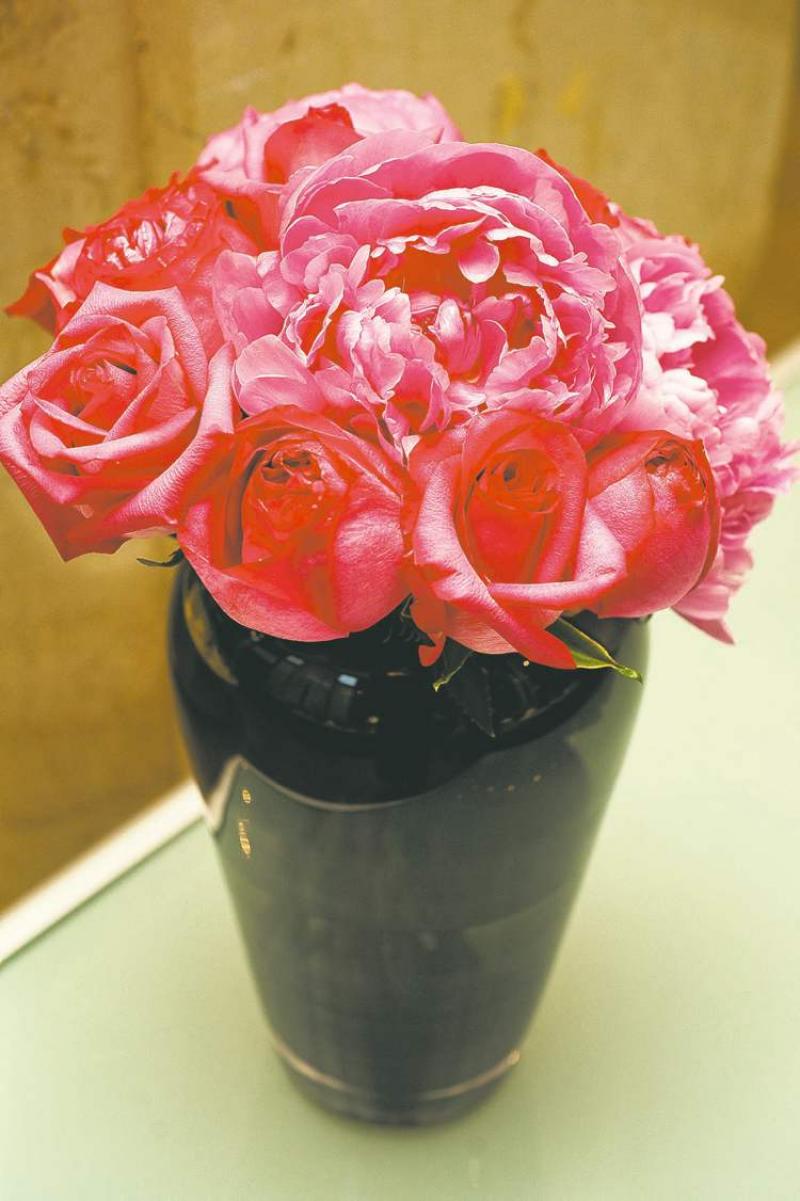
Chloris, the Greek goddess of flowers, crowned the rose 'queen of all flowers.' From this legend, the rose has become a symbol of love and beauty. Roman mythology associates the lily with purity and modesty.
Still popular today, these early myths, fables and customs were actually the first known forms of floral display and communication. Floral symbols may have been used since ancient times, but it was the Turks, in the 1600s, who developed the art of communicating with flowers. The custom of assigning sentiments to flowers was introduced to England in the early 18th century by Lady Wortley Montagu, writer and wife of the English ambassador to Turkey. The Victorians popularized the Language of Flowers, a romantic code used to convey the messages of love and affection that the decorum of the day would not permit to be expressed openly. Poet Thomas Hood expressed it best: "Sweet flowers alone can say what passion fears revealing." A single bloom or bouquet could be used as a token of hope, support, gratitude, congratulation, or an expression of love.
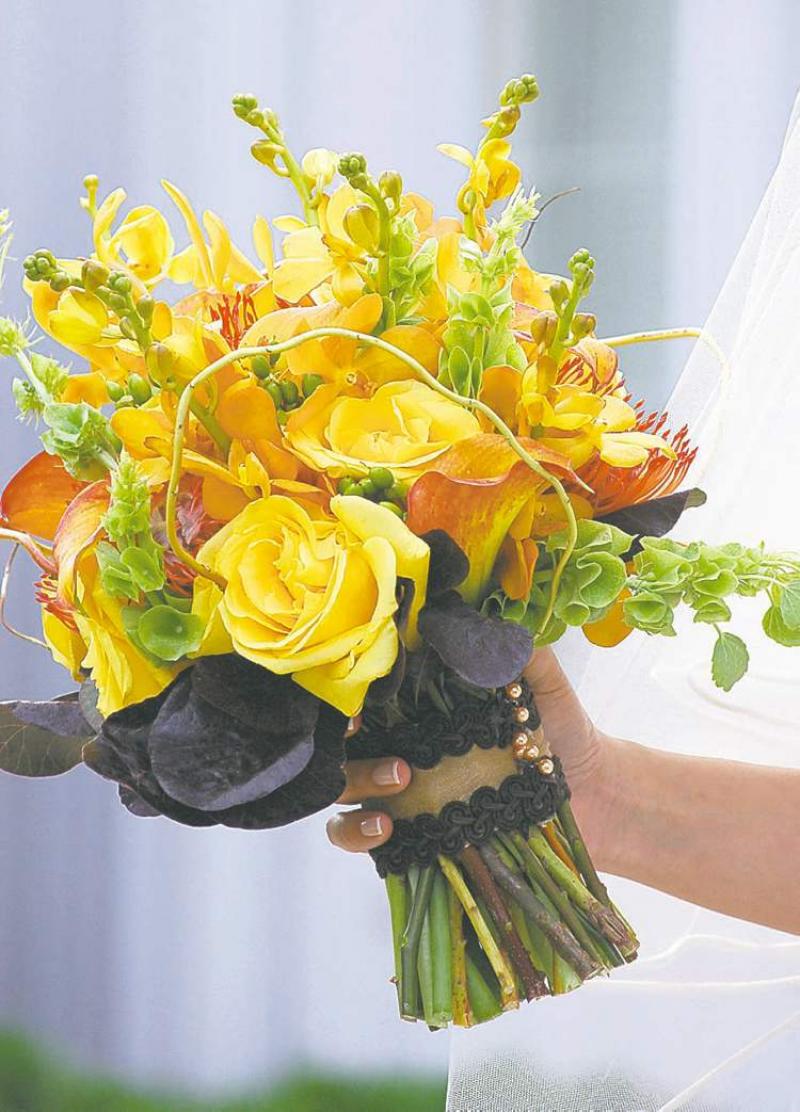
The colour of the flower held meaning as well. While red symbolized love, white meant purity. Light pink expressed elegance and gracefulness. Dark pink meant appreciation or thank you. To receive yellow-coloured flowers might have meant a decrease of love or even jealousy. Orange, however, might have sent hearts fluttering as it symbolized desire. Green, similar to what it represents today, stood for life, renewal, fertility and prosperity. A purple lilac symbolized the first emotions of love while white lilacs represented youthful innocence. The manner in which the flower was presented was also important. If the blossom was presented upright, it meant 'yes,' but presented upside down, it meant 'no.'
It was during the Victorian era these so-called message bouquets, or 'tussie mussies' first became popular. Victoriana experienced a renaissance in the 1980s and 1990s with renewed interest in films based on the works of the Brontës, Jane Austen, and E.M. Forester.
Most recently, though, interest surged in flower symbolism when Kate Middleton's all-white wedding bouquet conveyed a very personal message to Prince William. The bride was intent on choosing flowers with meaning for not only her bouquet but also the church decor and wedding cake. She chose euphorbia -- symbolic of persistence; lilac, to indicate first love; Solomon's Seal for confirmation of love; cherry blossoms for spiritual beauty; beech for prosperity; rhododendrons for caution; Sweet William for gallantry; lily of the valley for trust; myrtle for love; hornbeams for resilience and maples for reserve.
Many of these plants are easily grown as annuals or perennials or available from your local florist. Their leaves or blooms can be used to create a 'message bouquet' at any time of year. You could, for example, grow the annual lisianthus in your garden this summer and create a special bouquet for someone you admire. Available in a range of colours that include white, purple and pink, lisianthus communicates charisma and congeniality. Dianthus, or Border Pinks, is another plant that you might want to consider for its meaning. Native to China, Dianthus is a biennial or short-lived perennial and makes an excellent cut flower. It represents pure and deep love.
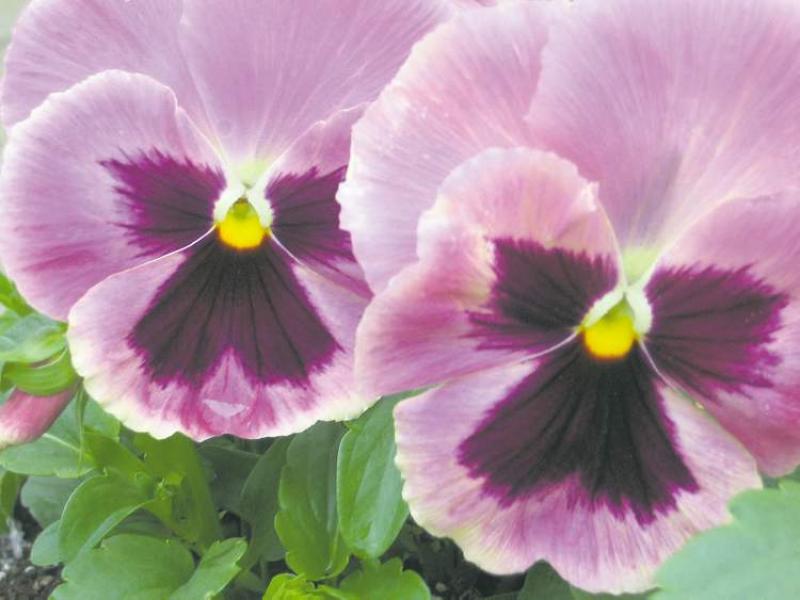
The Celts made tea from the pansy and used it as a love potion. Its supposed magical powers resulted in phrases such as, 'love in idleness' or 'heartsease.' It derives from the French word for thought (pensée). In Shakespeare's Hamlet, Ophelia in Act IV, Scene V, states, "And there is pansies, that's for thoughts."
My uncle was the head gardener at Gleneagles Golf Course in Perthshire, Scotland. As a child, I remember closing my eyes as he brushed a lamb's ear against my cheek and asked me if I knew what it was. Known as 'lambs lugs' in Scotland, lamb's ears are beautiful additions to floral displays. The genus name Stachys is Greek for an 'ear of grain' which might suggest fertility. More recently, it represents support.
Even the trendier flowers of the moment can be grown from root, bulb or tuber in the garden or in pots and used seasonally. The anemone signals expectation. A tulip can mean a declaration of love and the spring flowering hyacinth symbolizes constancy. Whether it is a fresh arrangement of cut flowers or a bed of annuals and perennials, an understanding of their symbolism can add a whole new appreciation for plants you already enjoy.
Hort therapy
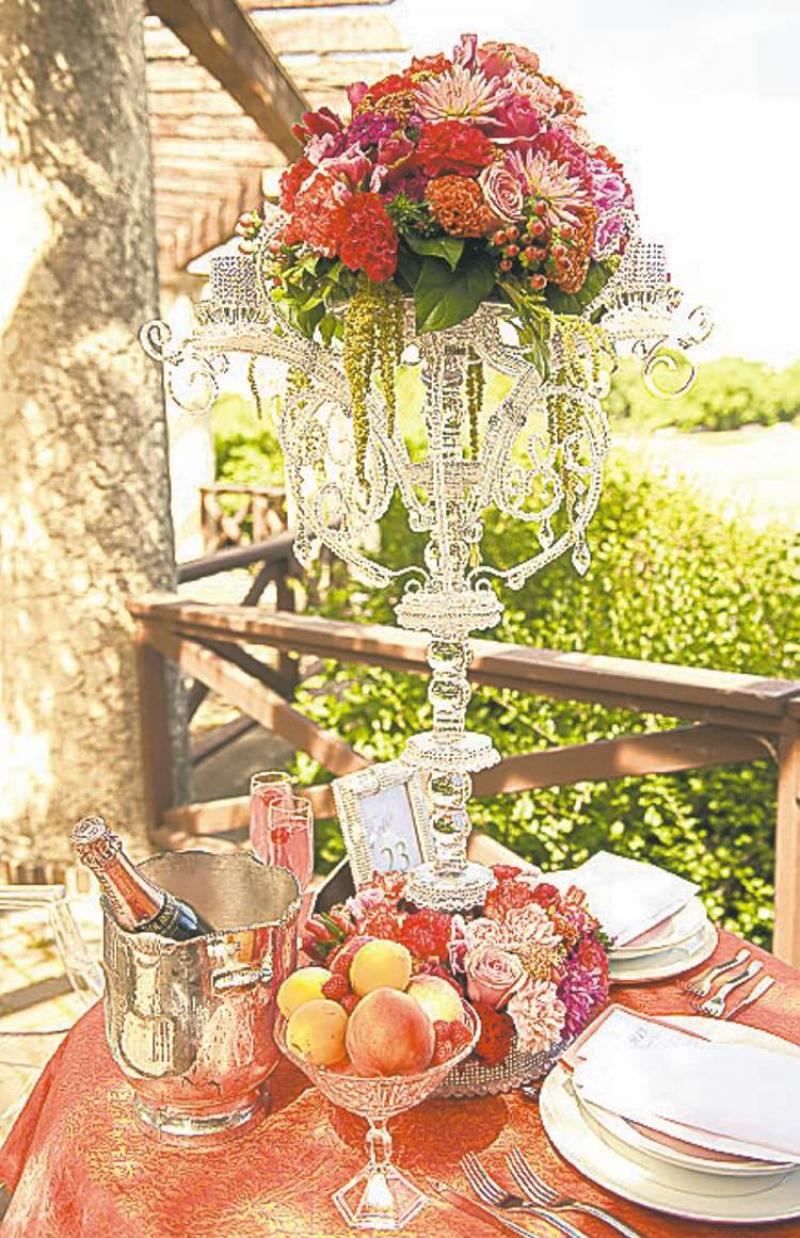
Most gardeners may not have the luxury of space for a cutting garden, that is, a garden specifically grown for flowers and foliage to be cut and brought indoors. Nevertheless, a portion of our gardens can be set aside for the purpose of creating lush displays that decorate a room. During the winter months, indulging in a lavish display of fresh-cut flowers can provide instant hort therapy for a gardener who is weary of winter. Today's contributor, Bonny Fraser, is a local floral designer extraordinaire who takes floral design to new heights, incorporating many of the plants we are familiar with into both simple and extravagant displays. Visit her website at www.mysecretgardendesign.com
Landscape Manitoba presents the Manitoba Green Show, Horticulture Trade Show and Conference, Feb. 14 and 15 at the Victoria Inn, 1808 Wellington Ave. Open to the public. Visit landscapemanitoba.com for more details.
colleen.zacharias@gardensmanitoba.com
Some common plant meanings:
Calla: delicacy
Carnations: Pure and deep love
Chrysanthemum: Truth, trust
Dianthus: Pure and deep love
Day lily: Coquetry
Iris: Message
Lobelia: Malevolence (!)
Hydrangea: Earnestness
Gladiolus: Strength of character
Lupin: Voraciousness
Orchid: Beauty
Heliotrope: Devotion
Petunia: Never despair
Ranunculus: You are radiant with charm
Pansy, viola: You are in my thoughts
Sunflower, tall: Haughtiness
Poppy: Silence, consolation
Ferns: Fascination
Juniper: Protection
Sweet Pea: Delicate pleasure