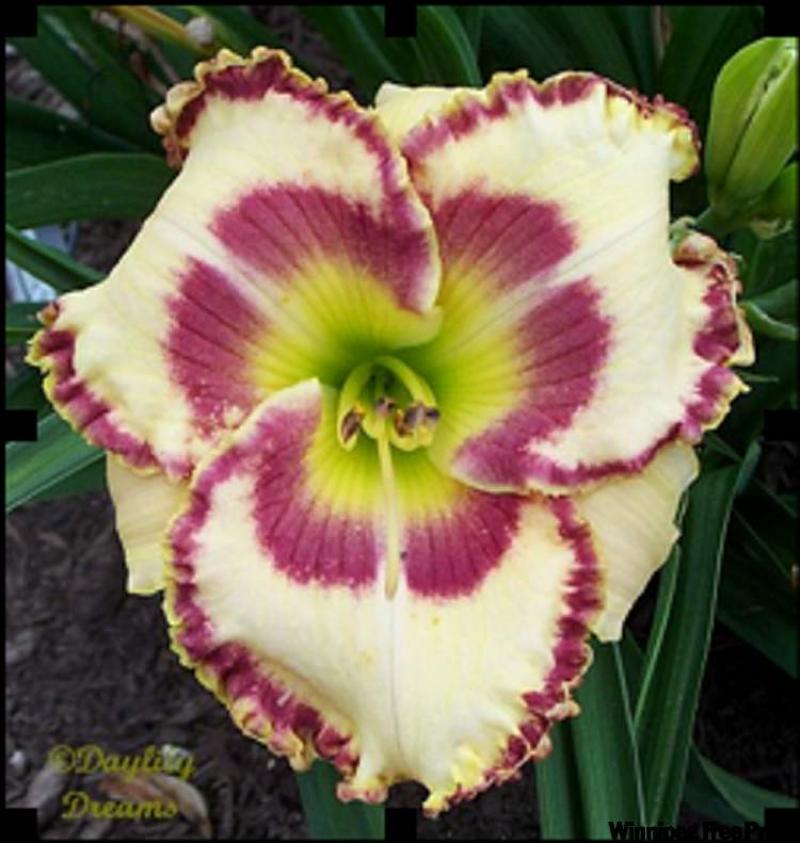
ALTHOUGH they share a common name, that is about all that lilies and daylilies have in common.
Each daylily flower lasts one day, but with so many blooms on a single scape, or stalk, the plant is in bloom for several days. A mixed planting of early, mid, late and reblooming cultivars will provide colour from June until frost. When the flowers are spent, the attractive foliage remains.
Daylilies came to Canada with the pioneers. They survived in the harshest conditions, resisted pests and rodents, prevented soil erosion, and thrived without pampering. They were so common they became known as 'ditch lilies'. They came in any colour -- so long as it was orange.
Today, with over 60,000 daylily cultivars to choose from, the 'ditch lily' has become an 'Uptown Girl'. Thousands of the varieties, which come in every size, shape and colour (except blue), will thrive in our Zone 2b climate.
Heights range from 12 to 48 inches and flowers are two to nine inches in diameter. The terms dormant, evergreen and semi-evergreen refer to the foliage and are not always an indicator of hardiness. Dormant foliage dies down in the fall and returns in the spring. Evergreen stays green all winter while semi-evergreen falls somewhere in between. All appear dormant in -40 C temperatures with two to three feet of snow.
Prices can range from a modest $4 to thousands of dollars per plant. The latest introductions are always in short supply and priced accordingly. However, plants advertised as 'new' may simply be new depending on the supplier. Gardeners can check out www.daylilies.org to find the year the daylily was registered.
Tight budgets have encouraged the use of daylilies in public plantings. They thrive in any well-drained soil with six hours of sunlight, and provide structure and texture to the landscape.
Daylilies should be planted about 18 inches apart in groups of three or five for the greatest impact.
Divide them about every four years. There is no easy way to do this, but two people armed with sturdy garden forks can pry a clump loose. Shake the dirt loose, and clean the remainder with a high-pressure garden hose. Jam the garden forks into the centre of the clump and pry outward.
Once the plant has been separated, trim the leaves back to about six inches, and mark them with a Sharpee pen. If you are moving several clumps, marking becomes very important because they all look alike at this point. Tidy up the plants, amend the soil if needed, replant, and share the surplus with your friends and neighbours.
How do you know what plant to buy? Start with The American Hemerocallis Society website http://www.daylilies.org. Learn to decipher the abundance of catalogues and look for multiple branching, high bud count and extended bloom periods.
Remember, though, that plants in a magazine, like people, are photographed in the best light. Talk to gardeners, and do some leisurely field research at the Beausejour Daylily Gardens. Start in the spring when the cherry trees, mock orange, peonies and iris are blooming. The daylilies begin to bloom at the end of June and continue until frost. Watch for our scheduled bus tours early in the new year.
Surplus daylilies and other perennials will be sold at the Daylily Gardens on Sept. 11. Check www.beausejourdaylilygardens.com for the latest pictures and details on upcoming events.
Carol Bender, a daylily aficionado, is a master gardener and volunteers with the Friends of the Beausejour Daylily Gardens.