We may not always let fashion dictate what we wear, but certainly we're intrigued by what's new, even if we don't necessarily add it to our wardrobe.
Gardeners, though, are keenly interested in new trends. It's positively exciting to find out what will be available each spring. Knowing what the latest trends are in colour, design and selection affords the opportunity to indulge and experiment -- a gardener's dream.
So imagine the anticipation felt in late January when four Manitobans joined 24 others from across North America to travel to the largest floriculture show in the world, the International Trade Fair for Plants (IPM), held in Essen, Germany.
With more than 1,500 exhibitors from 43 countries, Jordan Hiebert (Lacoste Garden Centre), Carla Hrycyna (St. Mary's Nursery), Wilbert Ronald (Jeffries Nurseries, Portage) and Duayne Friesen (Ball Seed) knew they'd be experiencing a unique event dedicated to showcasing the latest trends in the plant world.
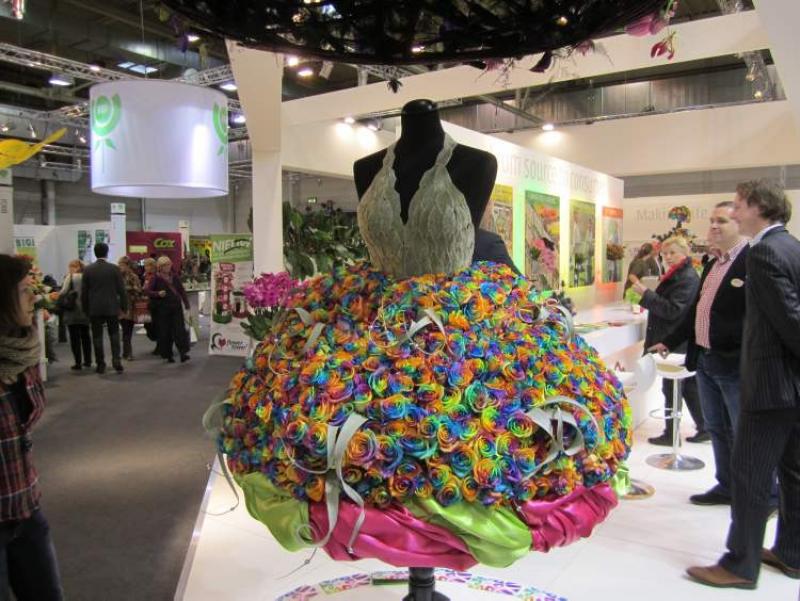
"You can never stop learning. The show itself is the king of shows -- it's a spectacle," said Hiebert, co-owner of Lacoste. "The artistry and imagination just blows you away."
"The show offers everything within the industry that you need -- plants, pots, equipment," added Friesen, a sales representative with Ball Seed.
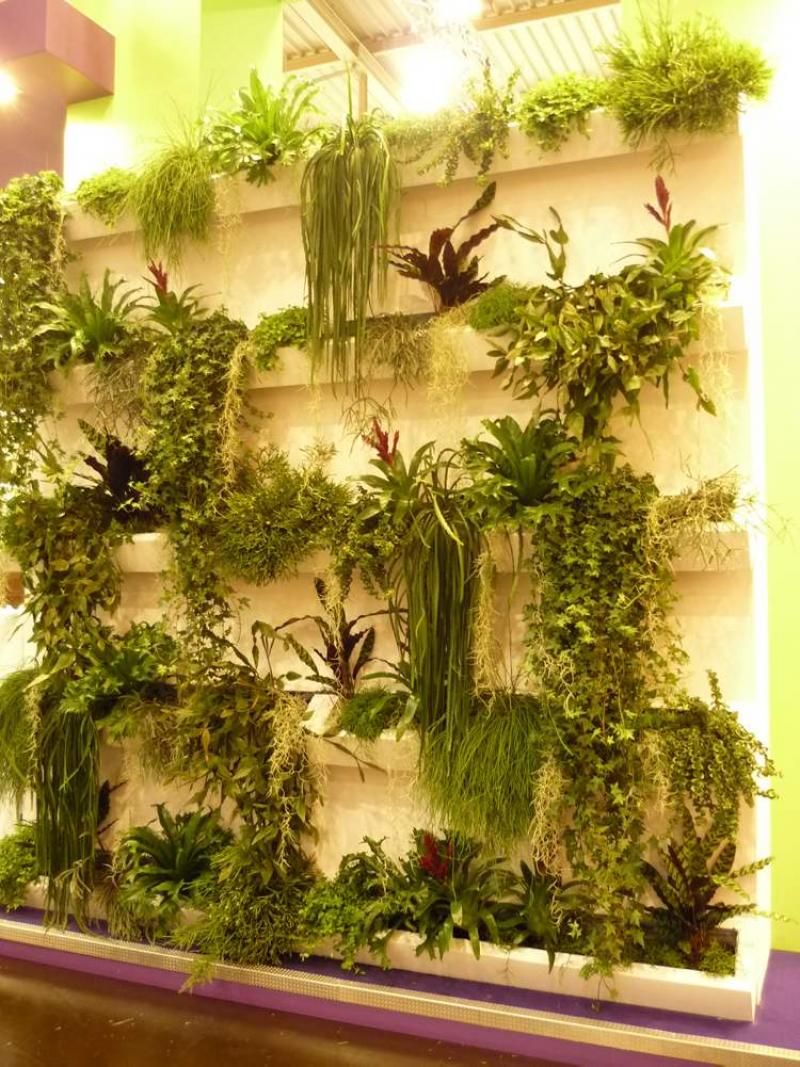
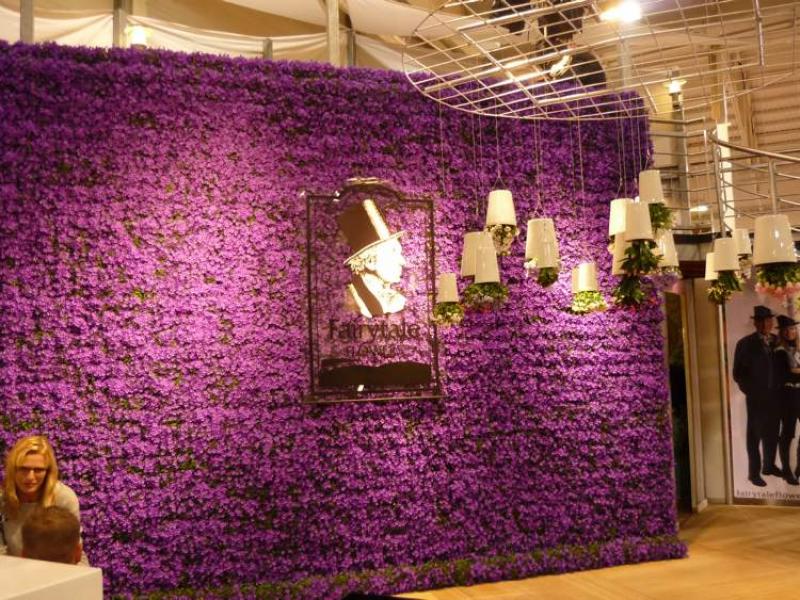
Booths are elaborately created with floral displays stretching six metres high. Picture an entire living wall of blue-flowered campanula -- more than 500 pots. The oversize booths are assembled by creative teams and include sections where a delicious assortment of food, wine and beer is available, enticing visitors to step inside to explore, network and be inspired.
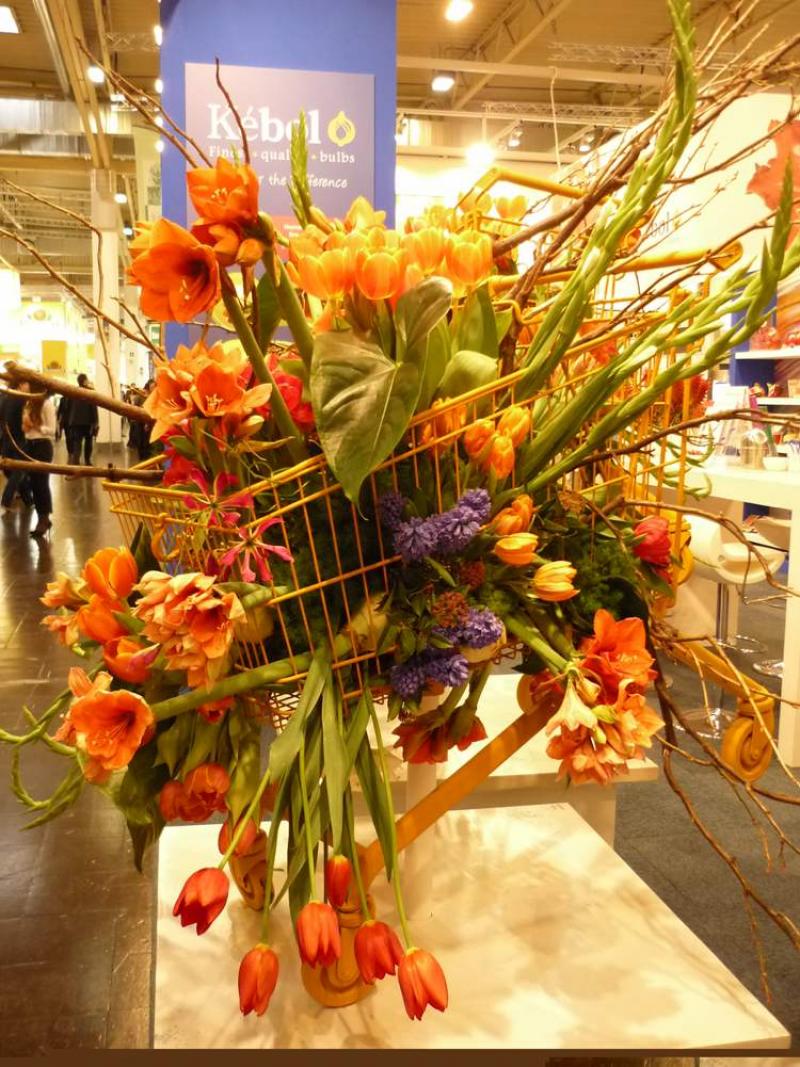
Europe has a reputation for setting trends. Hrycyna, co-owner of St. Mary's, visited some shops in Dusseldorf and noticed a proliferation of orange, peach, pastels and purple. Those same colours in plants were in abundance at the IPM, with tangerine orange all the rage. Purples and blues combined to enhance the shade of orange.
"One of the biggest trends we're seeing, and will continue to see for the next few years, is that colour is big," Hiebert said. While Canadians are so used to buying plants in little nondescript pots, he said a more decorative approach was seen at the plant fair, with a wide range of colours used for containers -- plenty of purple, lavender, and plum-coloured pottery.
"The whole garden consists of the pots, accents, lighting and furniture", added Hrycyna, who also predicts black will be a strong choice this year.
"Like the little black dress, it goes with everything. Combine 'Black Velvet' Petunia or the new black 'Sweetunia' with white -- euphorbia 'Diamond Frost', for example. Add the silver tones of dusty miller and a dark-plum-leaved heuchera for a beautiful moon garden."
There's a growing demand by North American and European consumers for low-moisture, heat-tolerant plants. Succulents will be everywhere this year, although not perhaps the dyed succulents that made up huge displays at IPM. Some were dyed a funky green, pink or orange, while others are being bred for a specific colour.
The consensus is that gardeners have changed their habits: Busier lives translate into a greater need for less maintenance in the garden, and succulents meet that requirement quite nicely.
While gardening is a burgeoning hobby in North America, flowers are a part of everyday life in Europe. "Plants are in houses year-round and given as gifts for every occasion," Friesen said. Container gardening is hugely popular, just as in North America. Yards are small and many gardens are shared.
Smaller spaces have sparked a unique trend: mini flowers. Cyclamen, orchids, African violets and baby gerberas in the daintiest of sizes make for ideal gifts or an instant splash of colour for an office desk or small patio.
Hrycyna speculates that economic woes could be the inspiration -- these portable plants in five-centimetre pots are inexpensive and cheerful. Hiebert describes it as "fairy gardening."
"The great thing is you can use any type of container -- low-bowl, low-profile," he said. "Get creative and combine stones and small figurines for added detail."
Hiebert sees this trend as ideal for children and is planning a workshop for early May.
A new concept called the Confetti Garden combines multiple plants in a single plug. Plants are matched to complement one another in growth habits as well as moisture requirements and exposure. Plant one or two in a small container or combine several in a larger container for instant success.
Friesen noted the abundance of primulas (a plant that is not available in large quantities in Manitoba) and, in particular, orchids, a mainstay in the European floral market. Phaleonopsis, bundled in groups of three, sells for about $14 and is used extensively as a cut flower.
Hiebert predicts the Dragone Begonia will be on every gardener's list this year. Featuring dark-green foliage and large double blooms with rich pink, peach and orange tones, an added bonus is that it continues to bloom late into the growing season.
Friesen recommends the new Wasabi Coleus. Growing about 76 centimetres high, its serrated chartreuse leaves that hold their colour in sun or shade should make it a popular plant this year.
Wilbert Ronald, who owns Jeffries Nurseries in Portage la Prairie, a wholesale nursery, was the only Prairie nurseryman who travelled to Essen. As part of the government export initiative, he saw a lot of interest from European growers in new Prairie varieties, particularly from Russian and Asian growers.
"Interestingly, many of the major plants we grow consist of plant material that originated in Asia -- our flowering crabapples, Amur cherries, Amur cork tree and caraganas, for example," Ronald said.
"It's not easy to export live trees out of Prairie Canada through to Europe. They have to be taken down to the coast, put into a container and then sent to a receiving port in Rotterdam and Leningrad."
There's great interest as well in many of the roses familiar to Manitoba gardeners. One Dutch grower claimed he had sold a couple of hundred thousand Morden Sunrise, Adelaide Hoodless and Champlain roses to Russia.
EVENTS
Orchids Forever: The Manitoba Orchid Society is hosting its annual show this weekend at the Assiniboine Park Conservatory, 15 Conservatory Drive. (www.manitobaorchidsociety.ca)
Gardening Saturday: The Friends of Gardens Manitoba will present the 5th Annual Gardening Saturday Trade Show and Symposium on March 31 at the Canadian Mennonite University, 500 Shaftesbury Blvd. (www.gardensmanitoba.com)