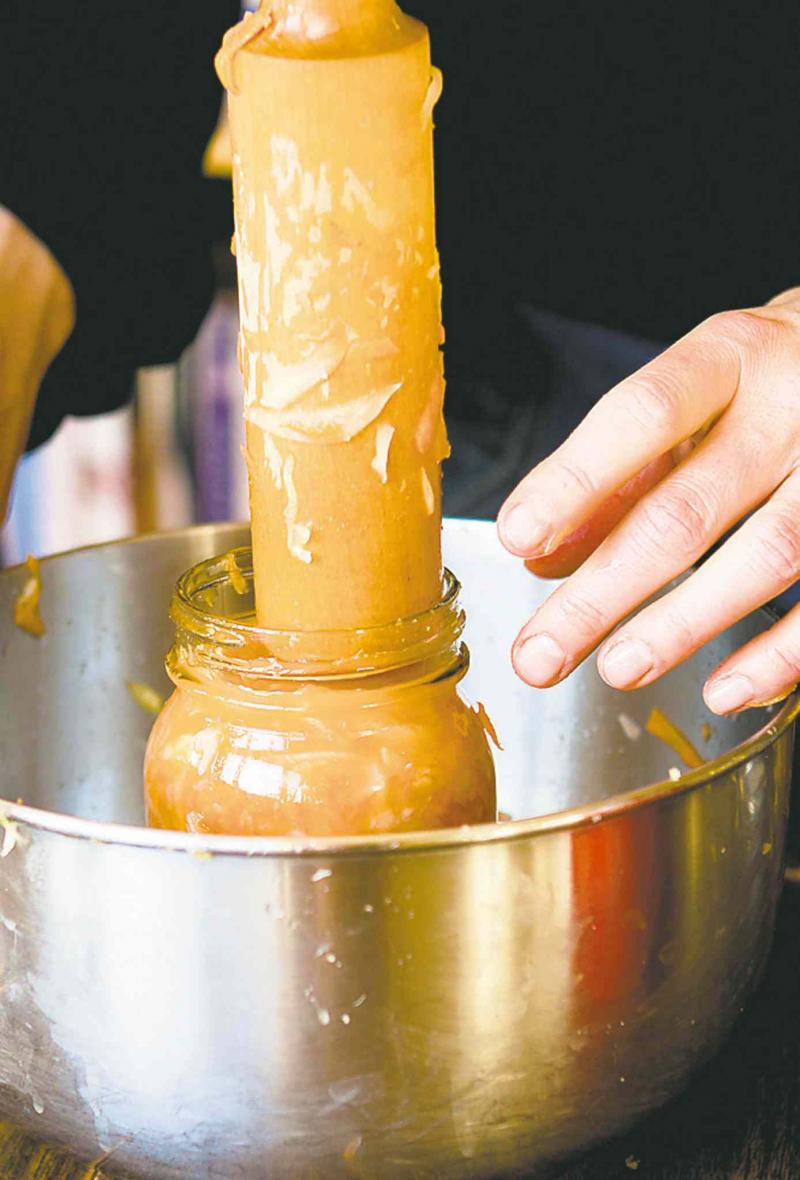
Overeating during the winter months probably wasn't an option for our earliest ancestors. Hunters and gatherers understood the importance of stocking up on food before winter set in; any insulating fat they may have had at the outset was likely gone by the time the snow melted.
Our grandmothers and great-grandmothers, many of whom had larger families than we have today, filled their pantries with rows of nutritious, homemade preserves made from fruits and veggies straight from their gardens.
In contrast, today's winter survival plan sometimes includes overindulging in processed comfort foods, not all of them healthy. The result can be an added layer of unwanted fat just in time for spring.
Could fermented veggies, a hot new trend in preserving food that can be done at any time of the year, help to provide some nutritious balance to cravings for starchy, sugary foods, a typical losing battle in the winter months?
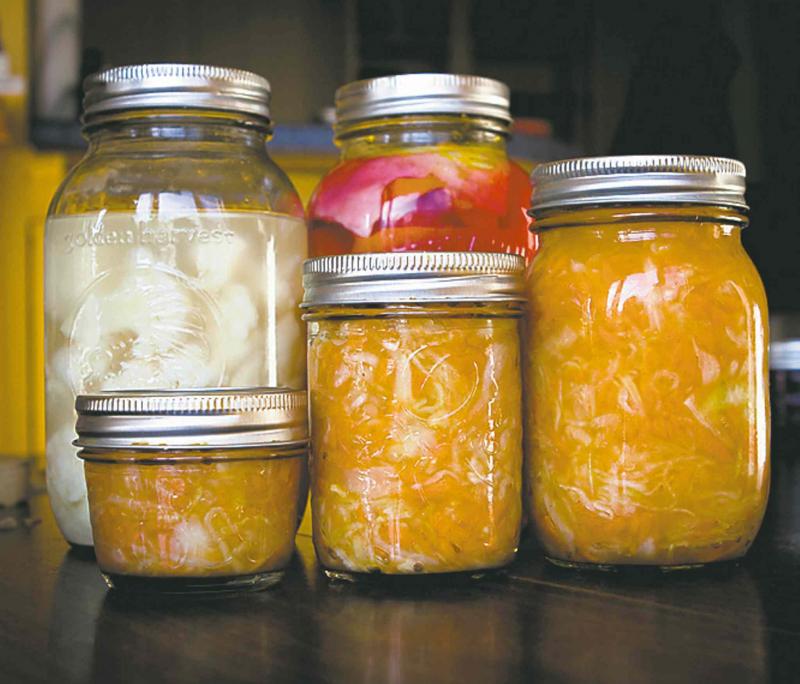
While the time-honored art of canning is enjoying a resurgence in popularity, lacto-fermentation is a lesser-known method of preserving food that is steadily winning new converts. It is equal parts philosophy and a practical approach to eating healthy, with the bonus of promoting better digestion.
Adrienne Percy is a 30-something mother of two young children, aged six and nine, who left her busy urban life behind and moved with her family to a 300-acre rural property. Percy found herself questioning the process by which the food we eat eventually gets to our table. She began exploring alternatives that would also have an impact on the connections between people, land and communities. She began by teaching her children.
"Food has always been my passion," said Percy from her home near Fraserwood. "Really important food skills seem to be slipping away. If we learn as children, it becomes a natural part of our lives."
Today, Percy is not only teaching her family how to eat healthier, based on the principles of fermentation, but also offers classes in a studio kitchen as well as a fully certified online food-teacher certification.
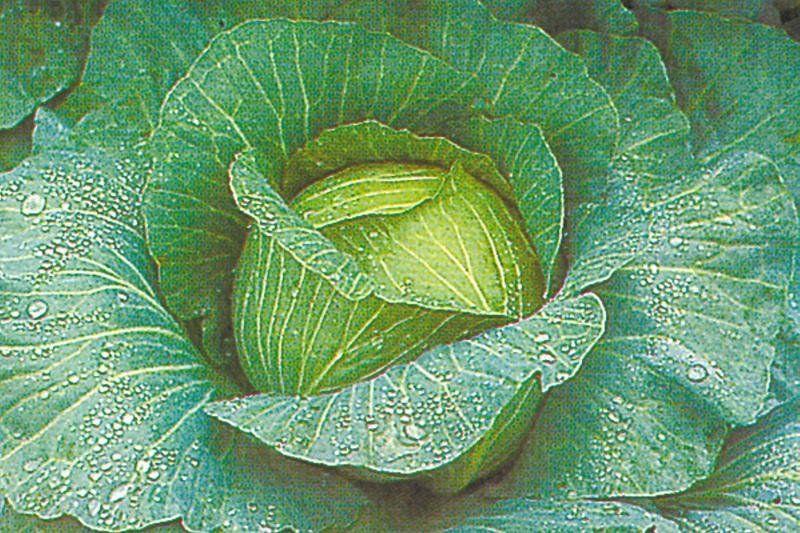
"Look around the world and you would be hard-pressed to find a culture that doesn't have its own history of fermented foods," said Percy who, like so many Manitobans, has memories from her childhood of eating homemade sauerkraut, perhaps one of the best-known fermented recipes made with cabbage.
Another fermented food that is going mainstream as it appears on more and more restaurant menus is Kim chee, a traditional Korean fermented dish made from a tangy, spicy mix of cabbage, onion, garlic, peppers and ginger. Now available ready-made in big-name grocery stores, why not try making your own?
"Fermentation is a process that requires no special equipment and can be done at any time of the year," Percy said.
Suppose you have some carrots in your fridge, store-bought or homegrown. Percy recommends a few simple steps for a tasty recipe:
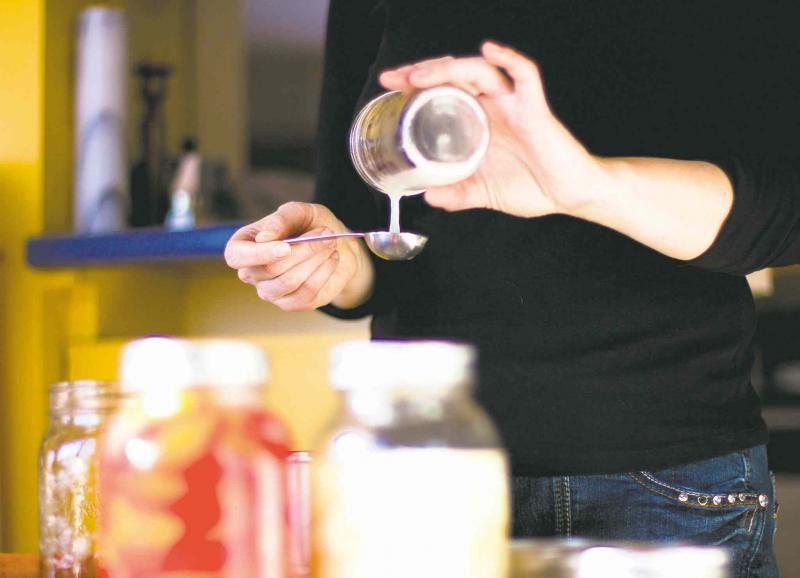
Cut the carrots into sticks and add them to a quart jar with some garlic and dill. Next, add a tablespoon of unrefined sea salt and three tablespoons of whey, the starter ingredient for lacto-fermented recipes which helps to speed up the process of fermentation and inhibits the growth of undesirable bacteria.
Add water to an inch below the thread line of the jar you are using, screw the lid on tight, and set aside on your counter for seven to 14 days.
Now what?
"This is where the alchemy and magic occurs," Percy said. "Microorganisms break down the food to preserve it, but also to exponentially increase the nutritive value."
Stacie Rasmussen is a local certified nutritionist who tries to include fermented foods in her diet and recommends them to her clients. One reason has to do with the rampant food-industry use of antibiotics which can kill both bad bacteria and good bacteria. Another is that much of the processed food we eat is devoid of the friendly bacteria our digestive system needs.
"Healthy bacteria in the fermentation process produces B vitamins and enzymes that help to break down food, making it easier to digest and encouraging a strong immune system," Rasmussen said.
"Buttermilk, cottage cheese or yogurt contain live cultures and are some of the more commonly known fermented foods. Your diet, though, should include a variety of fermented foods. It's a way to get more nutritional value out of your food. It also helps to lower cholesterol and glucose levels."
Percy touts less food waste and food-budget savings as further proof of the advantages of fermentation.
"With fermentation, you can eat what you might normally discard. For example, beet leaves, beet stalks and chard stalks may all be chopped and fermented with some dill and then added to your salad."
Percy adds crispness to fermented dills with an oak or raspberry leaf sourced on her large property.
"The tannins in these types of leaves will keep your pickles crunchy. Some people use fresh grape leaves for dolmades, a delicacy stuffed with rice, vegetables and seasoning. Grape leaves can also be poked into your jar of ferment to keep it crisp."
Any one of your favourite herbs can be tucked into your ferment for added flavour. Not crazy about garlic? Experiment with a substitute such as caraway.
Last summer, Percy created a small herb spiral outside her kitchen door and planted it with mint, lemon balm, parsley, thyme, rosemary, cilantro and stevia which she purchased from Sage Garden Herbs.
A simple project that is perfect for small spaces, select a sunny location with good drainage and soil that has added organic matter. Beginning clockwise, lay rocks or bricks in a spiral that is approximately one meter from start to finish. Leave enough space between the spiraled rows for planting. The rocks or bricks absorb the sun's heat creating a microclimate for your herbs.
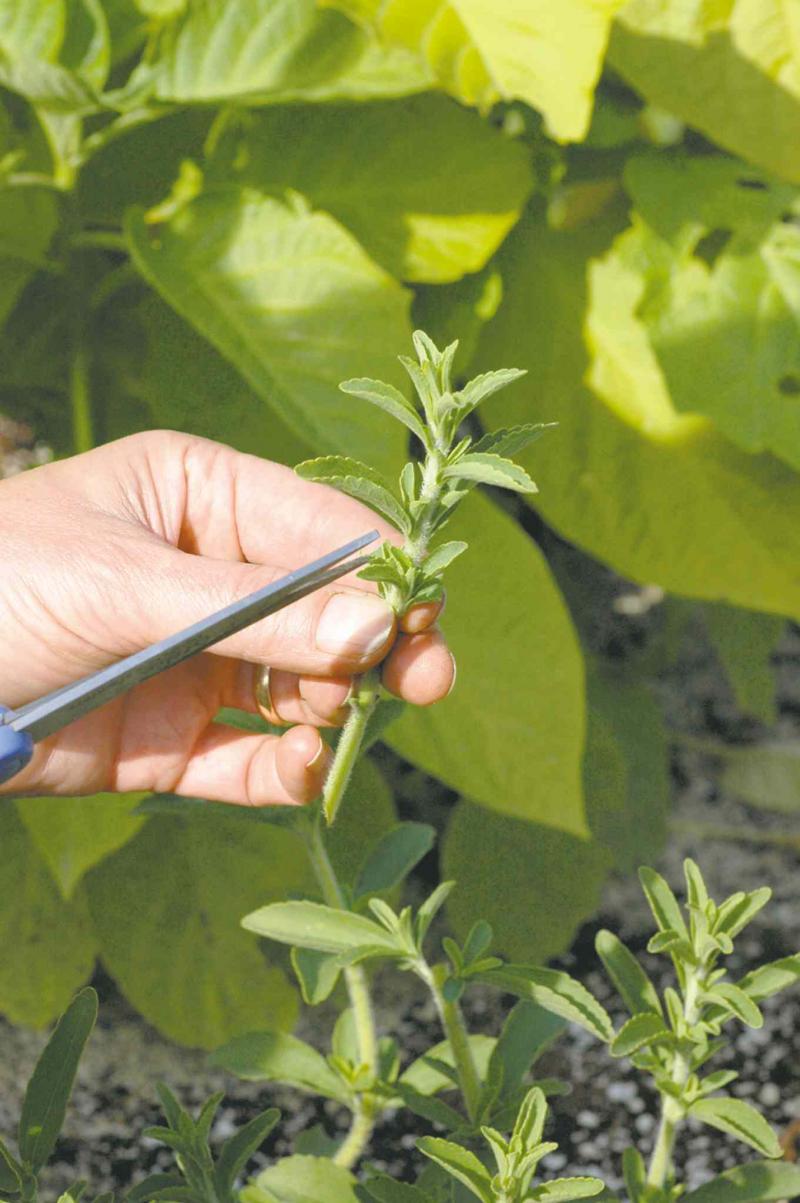
Percy harvests stevia from her herb garden for use as a sugar replacement, first drying the plants by hanging them up and then grinding the dried leaves in a coffee grinder.
"Use only a pinch at a time," she said. "Stevia is a lot sweeter than sugar."
Dave Hanson, owner of Sage Garden Herbs, describes stevia as an amazingly productive plant as long as it receives plenty of heat and sun.
"It really does not thrive until both of these conditions are met, at which point it takes off," he said. "It responds exceptionally well to pinching. In fact, if you do not pinch the stem tips on stevia, it can end up quite scruffy. Pinch the tips and you will have a highly productive and sturdy plant."
Hanson recommends growing stevia from semi-woody stem cuttings. Growing it from seed is not as successful because the quality of seed can be highly variable. He also shared this tip: "Use bottom heat and trim down the leaf surface area to ensure a high level of success and to avoid fungal or molding problems which are otherwise common in stevia cuttings."
Stevia does very well in pots, especially if you want to winter it indoors under lights, he added. "If productivity is your top priority, grow this herb in a warm, sunny location in the garden."
While Percy's large garden provides her with an excellent source of nutritious food for her family, it does not meet all of her needs.
"Growing a fruitful and nutritious crop and learning how to extend it so that it lasts through the cold winter months is a goal that we are moving toward. There is nothing better than opening up a bag of frozen strawberries that you picked over the summer or grew in your own garden."
See Adrienne's favourite recipe for Cabbage, Carrot and Ginger Kraut. For more recipes and information on workshops that teach traditional food skills, visit Percy's website at www.traditionalwisdommodernkitchen.com.