Fall cleanup
It's time to close the book on what has been an exceptional summer.
Still, as we work our way through the myriad chores of putting the garden to bed, the inevitable planning for the next season begins. We know where we went wrong and we've learned about ourselves and our gardens as the summer months unfolded.
This two-part series by Susan LeBlanc will help you get started on the most important tasks.
Composting workshops
Green Action's Sylvie Hebert recommends spreading your compost in your garden, even if it's not quite finished -- by spring it should be totally broken down. This will leave space in your bin for adding compostables during winter months.
Take advantage of the upcoming free composting workshops:
Wednesday, Oct. 12 from 7-8 p.m., St. Boniface Library, 131 Provencher Blvd. (in French)
Thursday, Oct. 13 from 7-8 p.m., Henderson Library, 1050 Henderson Hwy.
Next week
Susan LeBlanc shares more tips on winter preparations for your garden and Ray DuBois, president of Ron Paul Garden Centre, weighs in on readying your lawn and shrubs for the cold season ahead.
Colleen.Zacharias@gardensmanitoba.com
The clouds are high and white and although the sun shines brightly, the air is cool. "Open weather" as Jane Austen would have called it.
Fall is upon us. Some years, its onset is subtle and we are lulled into a comfortable sense of unending summer. Annuals come to an end, geese ready noisily for their journey south, and the furnace runs at night. We jump from the dog days of summer to a long list of chores that must be done before the snow flies.
For a gardener, most of the next month is devoted to housecleaning and preparation of the garden for next spring. No matter the size of your gardening efforts, from window boxes to long runs of perennials, the time has come to put away the tools of summer. Seed has been set, flower production is reduced, vegetables are harvested and the falling leaves have begun to accumulate.
One of the earliest of my fall jobs is the planting of spring bulbs, such as daffodils, tulips and lilies that wait for the warming days of spring and early summer. There are annuals that do very well in the cool weather -- kale, snapdragons, pinks and verbenas are a few. Most, however, can be pulled and shredded for the compost heap. The vacant spots are easily filled with your choice of spring flowering bulbs, available in all garden centers at this time of year.
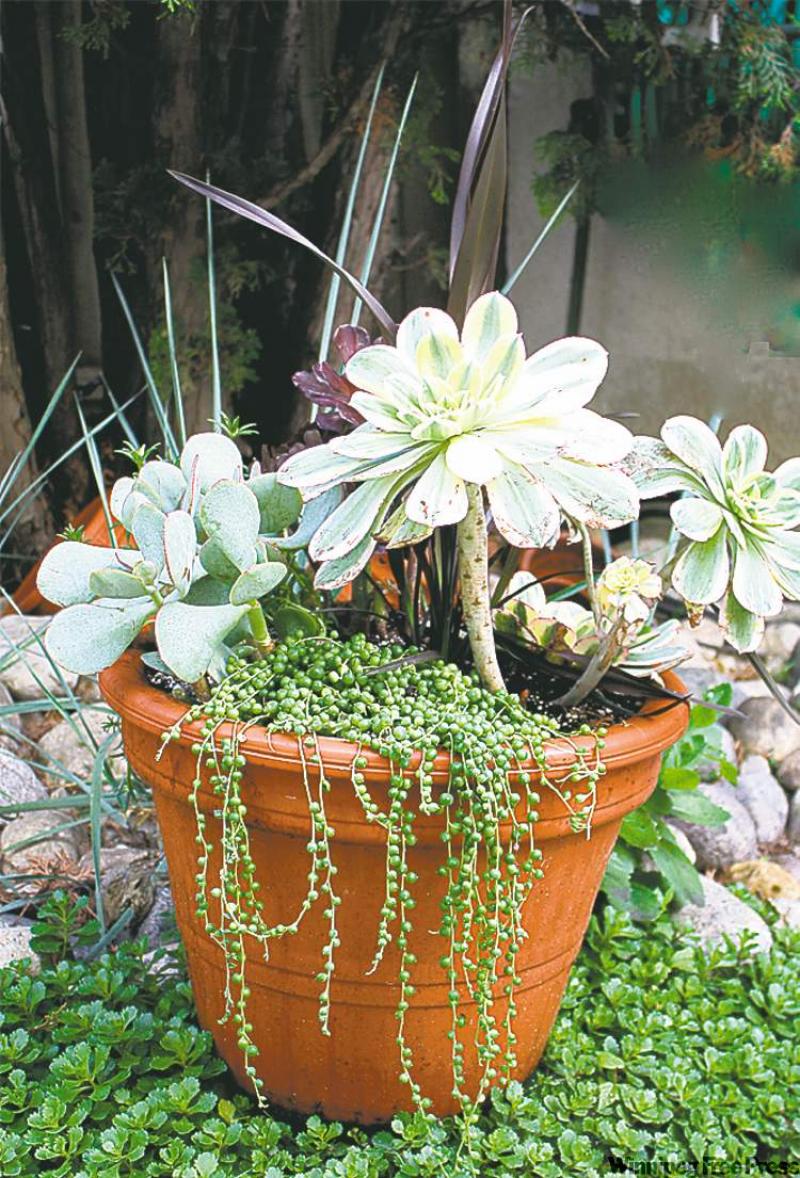
Maurice Larson, horticultural supervisor at Assiniboine Park Conservatory, encourages gardeners to use perennials in their summer containers. Now is the time to plant those same perennials into the garden for more enjoyment next year. Containers allow you to see the plant grow and decide where it will best fit in your yard.
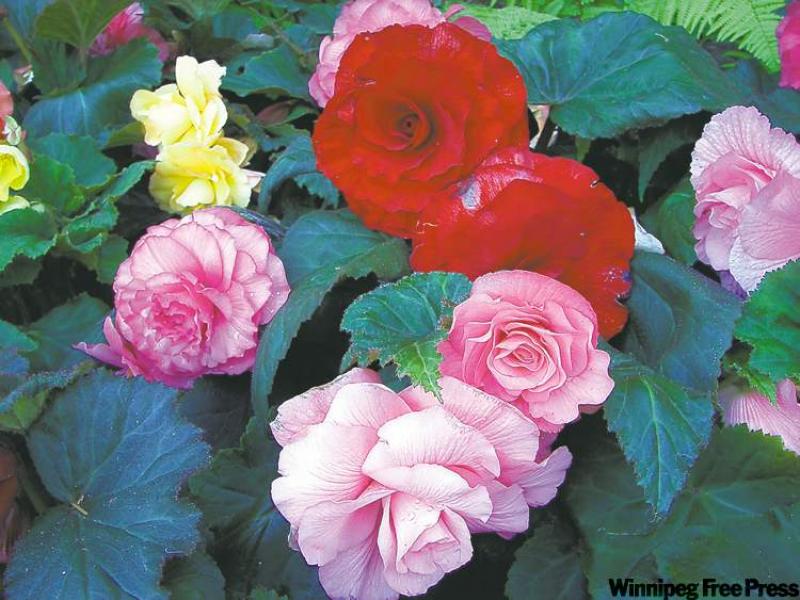
The period after the first frost is also the time to dig tender tubers like dahlias and begonias and prepare them for storage. This is an easy chore and it keeps a collection growing from year to year. Simply cut back the tops of these tubers and bulbs, leaving a stub about 15 centimetres long. Place them out of the sunlight in a well-ventilated area that is dry and frost-free.
After a few days, remove any remaining foliage and clean off the dried soil. While sorting them by variety, place in a container and bury them in dry peat moss or vermiculite. If moisture is a problem in your storage area, pre-treat with a fungicide or bulb dust prior to placing into the peat moss. Check mid-winter to be sure they are not too dry. As sometimes happens in late spring, they may start showing growth, so pot them up and place under lights.
Fall is the time to take cuttings or bring in complete plants that have spent the summer outdoors. They must be hosed down with water and sprayed with insecticidal soaps before mingling with your indoor collection of plants. Aphids, white fly, spider mites and other bugs would love to take up winter accommodation, so quarantine any new additions for a week or so.
Good housekeeping is a gardening must. The time to clear away old growth is in the fall, when things are dry and easily cut and no emerging shoots are underfoot as they would be in the spring. After pulling out and disposing of the annuals, some gardeners will cut back perennials to as little as 3-4 inches. Leaving them standing, however, allows for added insulation from leaves and snow over the winter. Do not prune back roses and other woody perennials any more than necessary. Check the pruning requirements for the various types of hydrangeas before pruning.
I make a conscious effort to separate diseased or heavily seeded plants or weeds into a disposable pile. There are some plants -- for example those of the lilium family -- that I cut to ground level and dispose of in the trash and never compost. This helps ensure certain pests and disease organisms do not overwinter.
This year, I will also treat the surrounding soil above my lily bulbs with Rotenone. The red lily beetle has not reared its ugly head in my collection as of yet, and I plan to fight it tooth and nail. Good fall cleanup procedures will make it difficult for the adult beetle to hide. Rotenone, at this time of year, will affect the least number of beneficial insects.
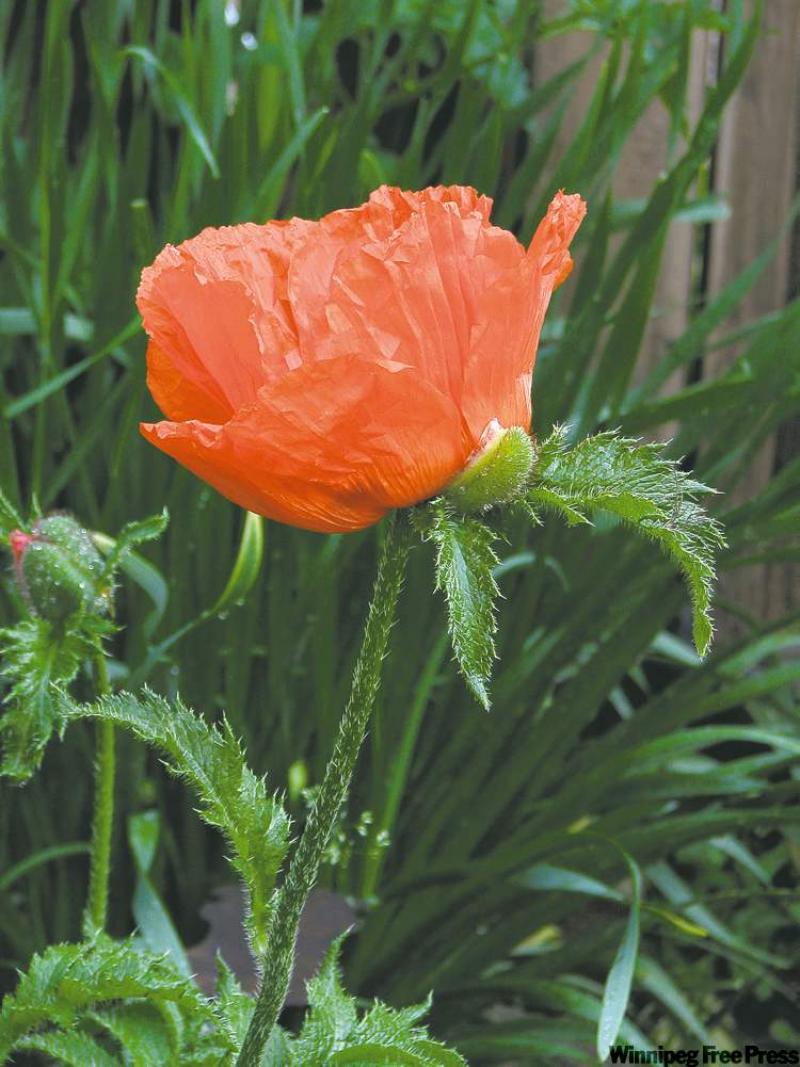
Some perennial seed heads, like those of echinacea plants, I leave for the chickadees to feast on in dead of winter. Any lily seeds that I have hybridized, heirloom vegetable seeds and the odd day lily or iris seeds are well-dried, safely stored and catalogued for future gardens. It's always wonderful to see the golden tops of summer grasses adding movement and substance to the winter landscape, so I leave the taller grasses to trim in the spring.
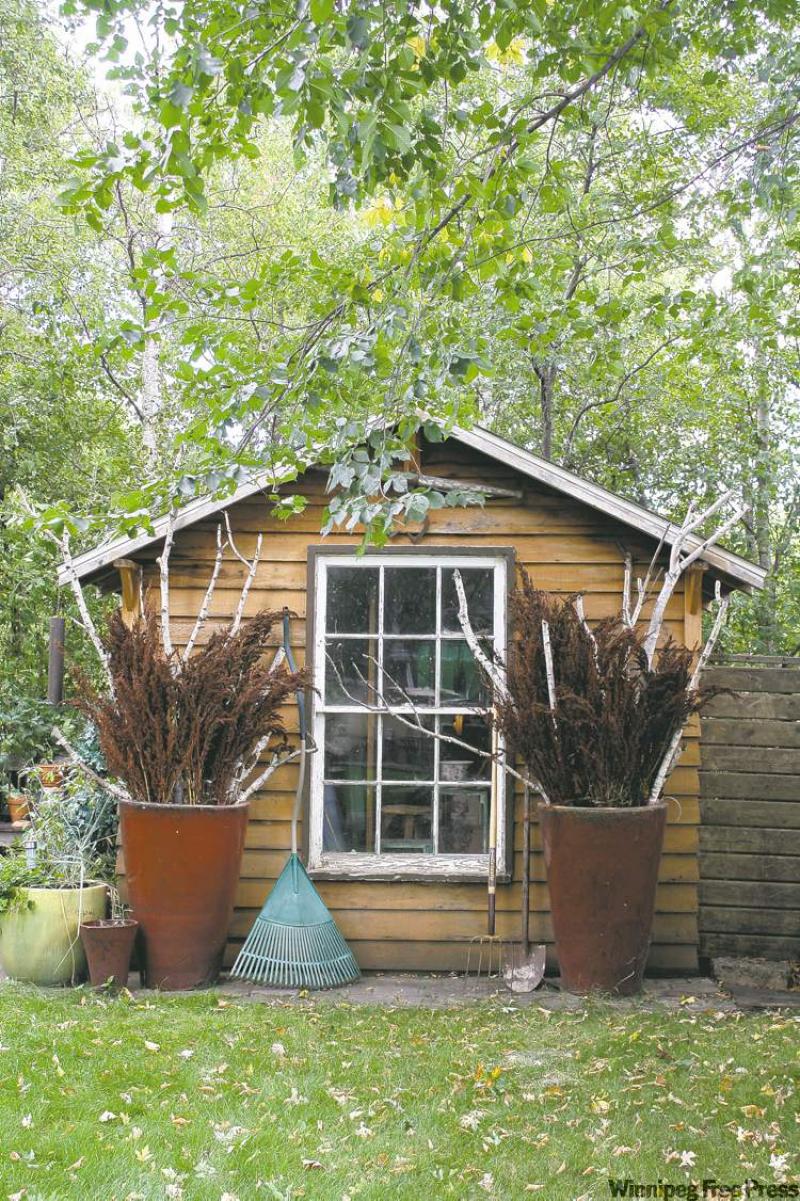
I have a number of large terra cotta pots that have to be emptied and stored in a dry area to avoid the hazards of freeze-and-thaw temperatures. Both the soil and soilless potting mixtures from summertime containers are religiously emptied onto the vegetable garden. As these mixtures are usually made from peat/perlite combinations, they help maintain the garden soil texture and structure. An added bonus to ensure a good friable soil in the spring.
Susan LeBlanc is past president of the Manitoba Regional Lily Society and studied interior plantscaping at Humber College in Toronto. Today, she's chairwoman of the annual Mother's Day Plant Sale.