With summer in full bloom in Assinboine Park, it is quite often top of mind to visit the English Garden and the Leo Mol Sculpture Garden at Assiniboine Park or perhaps the Shirley Richardson Butterfly Garden in the Assiniboine Park Zoo.
However, there are a few smaller gardens located outside the conservatory that together provide for an alternative garden experience at the park. Situated alongside the foundation plantings, each garden space has its own unique story to tell. The conservatory gardens are made up of a series of unique green spaces, including the Herb Garden, Transplant Manitoba's Garden of Life and the Abilities Garden.
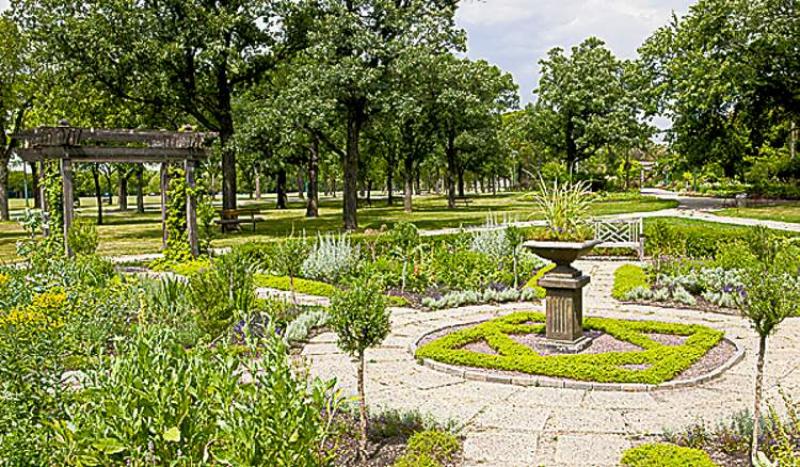
The Herb Garden, located just south of the conservatory, was created in 1997 in co-operation with the Herb Society of Manitoba. It became a reality in the spring of 1997, when the Women's Television Network was filming its show Herbal Primer.
The Herb Garden features a wide variety of culinary and medicinal herbs in a traditional circular layout. In 2002, the garden's planting scheme was redesigned based on the themes medicinal (salvia and digitalis), culinary (summer savory and oregano), scented (rosemary and lavender) and household (goldenrod and artemisia). At the centre of the circle is a planter with lemon grass and a miniature knot design composed of the lightly scented golden thyme. In 2003, the littleleaf lilac hedge planned for the outer circle of the garden was installed, completing the original design. A walk through the Herb Garden provides visitors with an inspirational, esthetic and sensory space experience, as well as a means to see and learn about herbs.
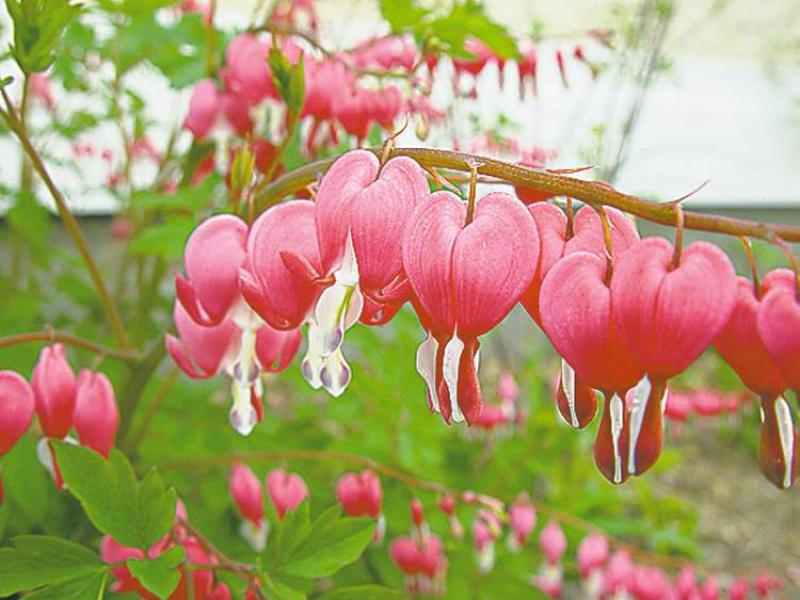
The Garden of Life, a co-operative effort with the Transplant Manitoba Gift of Life program, was created in 1998. This garden is located on the west side of the path in front of the conservatory. The Garden of Life was originally filled with approximately 2,000 flowers that depict the shape, colour or care of the vital organs used in human transplantation. A favourite example is the spring flowering Dicentra spectabilis, commonly known as bleeding heart. While not all of the original plantings remain, the intent of the garden remains, in that it is to honour the many unsung heroes who gave the gift of life, hope and happiness through organ donation. It is a tribute to living related and unrelated donors, organ and tissue donors and their families.
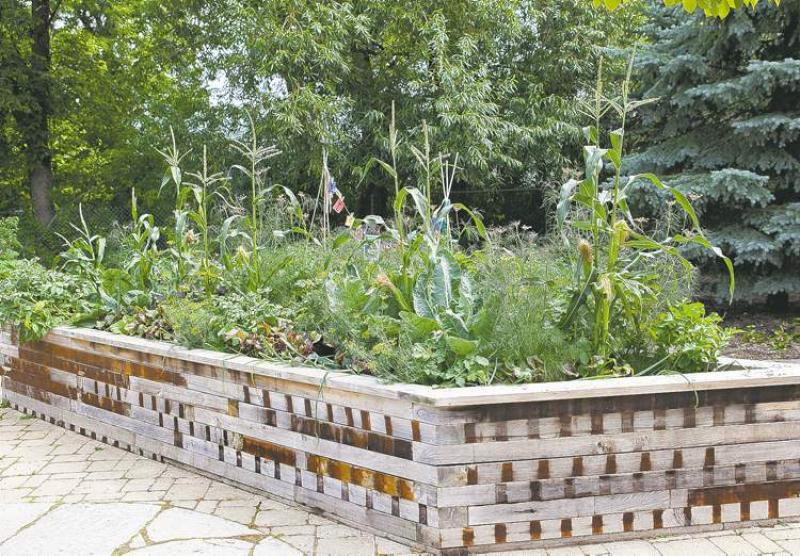
The Abilities Garden at the Assiniboine Park Conservatory is unique in the city of Winnipeg. The garden is designed for visitors of all abilities and promotes horticultural therapy. Within the Abilities Garden, visitors will find tactile areas of vegetables and planter gardens. The garden is designed for those with limited as well as full mobility, with planters that allow visitors in wheelchairs to comfortably view and interact with the garden at eye level. The purpose of the Abilities Garden is to recognize the positive benefits of the interaction between people and plants and to improve cognitive, physical, social, emotional and spiritual well-being.
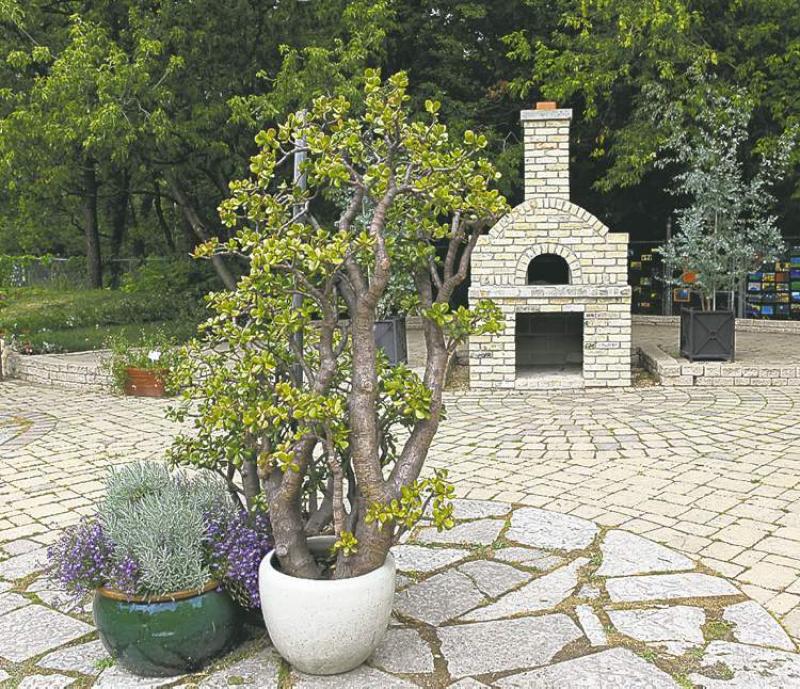
The Abilities Garden has also proven to be a valuable location for children's educational programs by introducing children to the art and science of gardening. All of the programming elements of the Abilities Garden are carried out by a team of dedicated professionals in the parks programming team at Assiniboine Park. One of the most popular activities is the use of the outdoor pizza oven to make handmade pizzas with locally grown and harvested ingredients.
It is not uncommon to see the education team with a group of school children in the spring planting a vegetable 'pizza garden' to grow the ingredients needed for pizzas, which are harvested by another school group in the fall.
Other programs include an annual children's vegetable workshop, which gives the younger generation a chance to learn about gardening and growing your own food. Here children have the opportunity to participate in the planting of a Three Sisters Garden, the tradition of planting corn, beans and squash symbiotically (known as "Dyonheyko") to demonstrate the practice as it occurs in many aboriginal cultures.
New programs focusing on art at the park include the natural dyes garden, which allows summer camp participants to paint with dyes that are naturally produced by plants. The fence along the back of the Abilities Garden is adorned with artwork provided by children from other art-related park programs.
An exciting program in 2012 is the intergenerational workshops that allow children a chance to garden and grow with their senior partners. These programs explore the various ways plants contribute to our health and well-being at every age. Each workshop provides an experience where people of all ages share their talents and resources, supporting each other in relationships that benefit both the individuals and the community in a fun and interactive way.
These workshops focus on a variety of horticultural topics, including growing plants from heirloom seeds, herb gardening, preserving fruits and vegetables, and nature-based art in the garden programs where participants gather natural materials to create personalized unique artistic displays. Each aspect of the workshops in the intergenerational program is to encourage hands-on participation within the Abilities Garden at Assiniboine Park.
Throughout the gardens surrounding the conservatory are an assortment of containers and planters with plant combinations showcasing plants of various shapes, textures and colours, all of which can be an inspiration for the home gardener. Each garden in Assiniboine Park has its own unique horticultural flavour. If you are seeking an intimate space focusing on the special relationship between people and plants, be sure to stop by the conservatory gardens on your next visit to the park. If you or a family member are interested in participating in any of the horticultural programs, please contact the park programming office at 204-927-6070 or parkprograms@assiniboinepark.ca .
----------------------------------------------------
The desire to garden
WHY do we garden? So often it stems from a desire to add some natural beauty to our lives. Or the urge may hearken back to the influence of our ancestors, who cleared much larger plots of land, or more practically, we may garden to feed ourselves or our community. Whatever the motivation, the gardens we create generally have a specific purpose.
Today's contributor is Gerald Dieleman, the director of horticulture for the Assiniboine Park Conservancy. Dieleman is a landscape architect, whose garden experience includes Longwood Gardens in Kennett Square, Penn., and the Royal Horticulture Society in the U.K. While most of us have strolled through the English Garden on many a Sunday afternoon, Dieleman invites us to discover some of the lesser-known and unique gardens at Assiniboine Park, situated around the conservatory. Each of these gardens has been designed for a unique purpose.
The Herb Garden, for example, is reminiscent of ancient kitchen gardens. Shelley Walker, co-chair of the Herb Society of Manitoba, says the garden is a great opportunity for visitors to see plants that have been used past and present for cooking, medicine as well as household use. "For example," says Walker, "teasle is a tall, beautiful plant with flower heads that look like Velcro, and which have been used to create the finished surface of felt. Then there is stevia, a plant used more and more today as an alternate sweetener."
-- -- --
MARK your calendars for this month's annual horticultural fairs and exhibits:
On Aug. 13, 1-6 p.m., it's the Brandon Garden Club's Annual Flower, Fruit and Vegetable Show. Includes a tea with treats. 311 Park Ave. E. $5 admission for non-members. Contact Judy at 204-571-0224.
Transcona Garden Club's 46th Annual Horticultural Show & Competition takes place on Aug. 13 and 14 at Kildonan Place Shopping Centre. Roses, bulbs, cut flowers, fruits, vegetables and more.
The St. Vital Agricultural Society will host its Annual Fair and Display, Aug. 15 and 16, 4-8 p.m., St. Vital Centennial Arena, 589 St. Anne's Rd. Featuring horticultural displays, baking, handicrafts, photography, pork barbecue and entertainment. Contact Brenda at 204-257-6372.
The Miami Horticultural Society will celebrate its annual show Aug. 16, 2-7:30 p.m., at the Miami Community Hall on Highway 23. Flower arrangements, vegetables, junior section. More than 450 entries. For more details, contact Lynda at 204-822-3008.
Charleswood Garden Club will host its 93rd Annual Community Fair on Aug. 16 and 17 at Westdale Community Centre on Dale Boulevard. Judged displays of adult and junior flowers, vegetables, preserves and baking. Call 204-832-6105.
-- Colleen Zacharias