Marc LaBossiere / Free Press
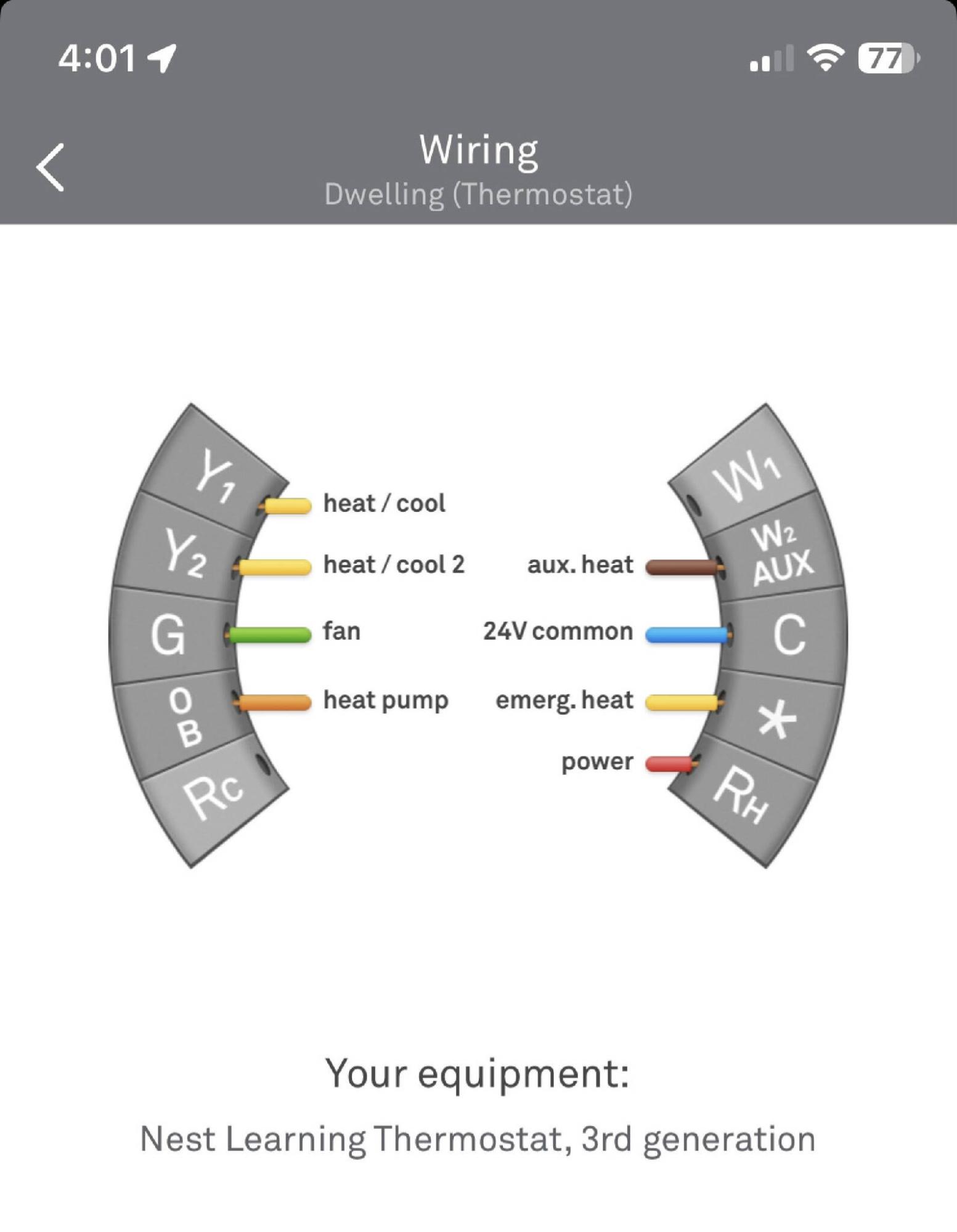
The seven-wire system is converted to an eight-wire system to provide the emergency heat option, using the multi-purpose star lead on the NEST base.
Marc LaBossiere / Free Press
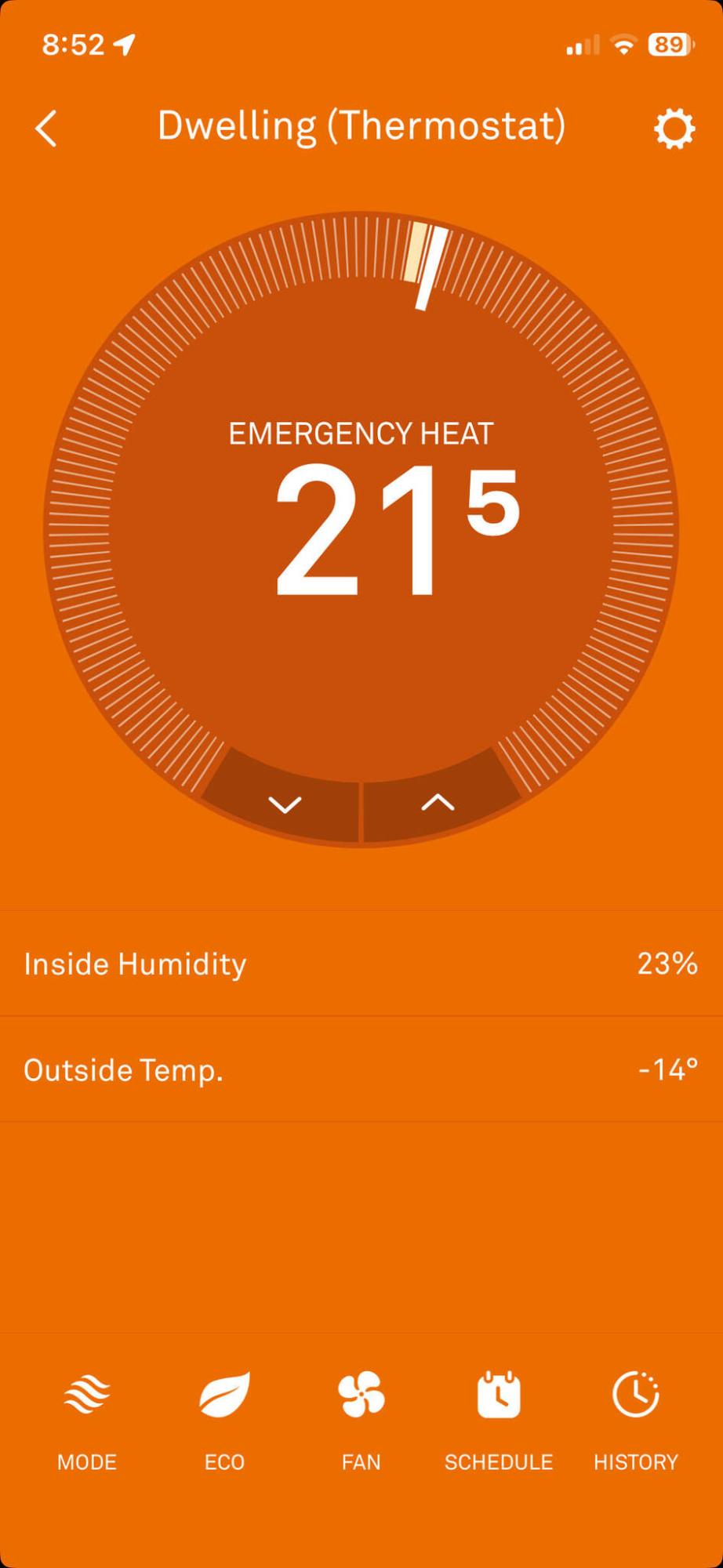
Once the ‘emergency heat’ option was available after adding a wire to the 24-volt system, NEST bypasses the heat pump until it is repaired.
From this past autumn into the dead of winter, our household dealt with an unfortunate bout of HVAC issues.
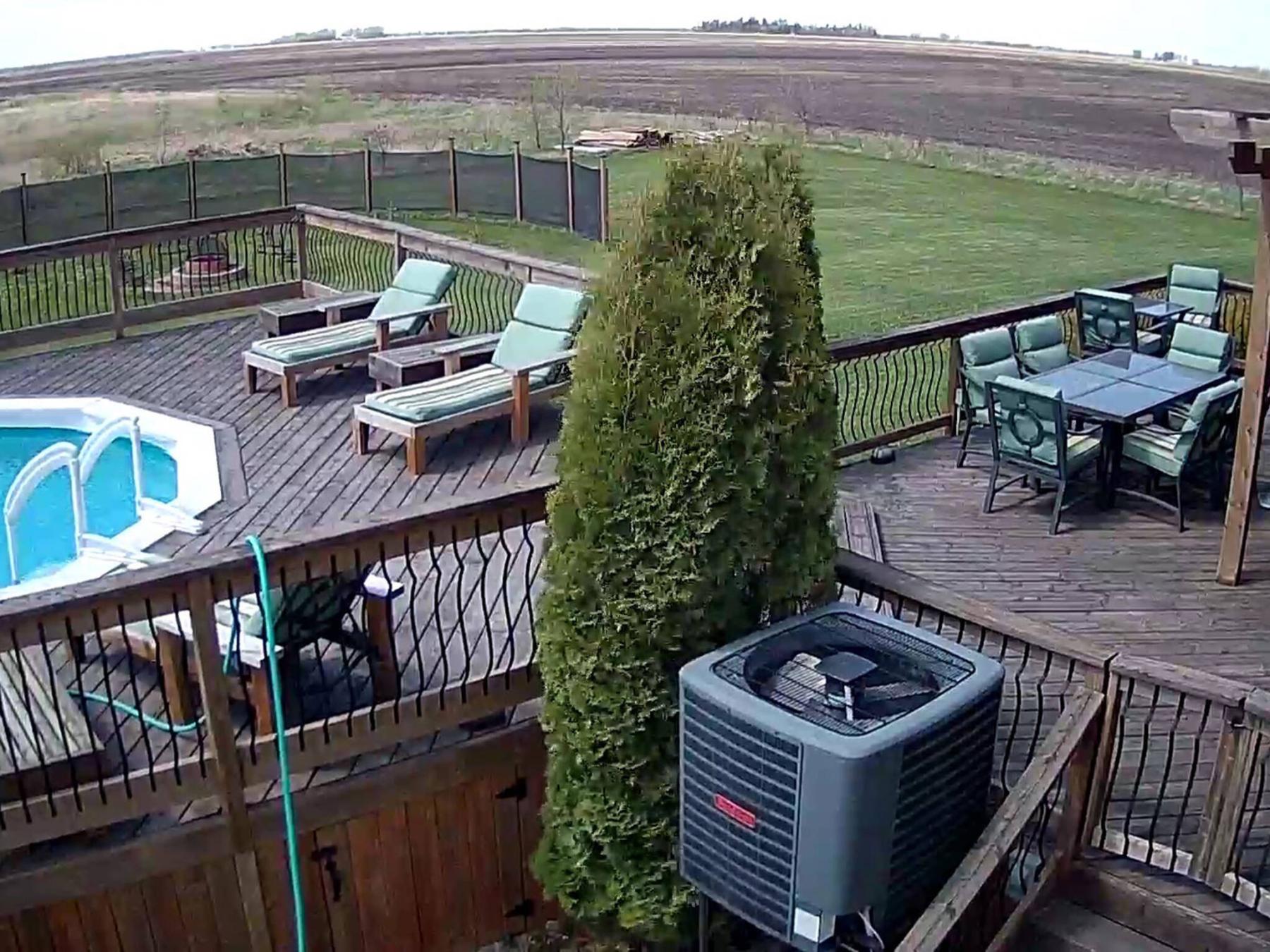
In the fall, the heat pump’s blower fan failed, resulting in sole reliance on the air handler (furnace) to heat the house. Moreover, the blower fan caused a surge on the heat pump’s circuit board. As such, both the blower fan’s motor and the control board needed to be replaced.
At some point during the coldest spell of winter, the air handler’s control board also suffered a catastrophic failure. Luckily, this issue was rectified within a week, and the house once again had heat. It wasn’t until recently that I received an ETA on the heat pump’s control board, even though the blower-fan motor had arrived several weeks prior. No matter, the heat pump “fix” was scheduled with my HVAC guy. However, there was a lingering programming issue that had always presented complications, dependent solely upon the outdoor temperature when the heat pump was not operational — the temperature lockout.
For those who aren’t familiar with electric heat pumps, the units are essentially air conditioners with a dual purpose — they provide heating in the cold months, and cooling during the warmer times of they year. Our Canadian climate, however, usually necessitates a “backup” heating system for times when the heat pump cannot efficiently or effectively heat the house properly. For instance, in Manitoba, my heat pump can effectively warm the house when the outside temperature remains above -15 C. Below this temperature, the heat pump struggles, even though the system will begin to call upon the heating coils in the air handler (the electric furnace). And even though this is the proper function, the heat pump’s efficiency begins to drop off greatly as the outdoor temperature dips below -15 C.
Undermines heat pump
After a few months of analysis, I determined I would preset the lockout value for my heat pump at -10 C, which means the system would automatically shift heating duties over to the air handler and “lock out” the heat pump. When the system is fully operational, heating follows a preset schedule within my NEST thermostat app, that can easily be modified as needed from my iPhone, or by using the NEST thermostat directly.
The ongoing issue I’ve encountered occurs when and if the heat pump requires servicing, and/or fails completely if the temperature rises above the lock-out value. The system monitors the exterior temperature and automatically adjusts the heat pump/air handler balance accordingly. When the heat pump is not operational and the temperature is above the lock-out value, the system still tries to activate heat-pump heating. The interior blower in the air handler still circulates air, even though the heat pump is not heating it, which essentially cools the house until the system realizes the heat pump must need “help,” and transitions over to furnace heating. This is extremely inefficient, and undermines the premise of incorporating a heat pump in the home HVAC system.
To circumvent the issue, the lock-out value can be increased to avoid outdoor temperature conflicts. However, this value cannot be set higher than 0 C. Unfortunately, on milder winter days when the temperature rises above freezing, the system once again attempts to activate heat-pump heating, which cools the house until the furnace kicks in to “help.”
This had become extremely frustrating while awaiting the heat pump parts. So, I began doing some research. At every turn, NEST suggested activating the “emergency heat” function in the app, which bypasses the heat pump altogether. After reviewing setting options thoroughly within NEST, I simply could not find the emergency heat function. I thought maybe this was an issue with our NEST model. Apparently, it was not — my third-generation NEST should include the function, so why did it not appear?
Although NEST (now Google NEST) provides very thorough and detailed information on solving a plethora of app and system setup issues, it wasn’t until I stumbled upon an article that I found out about the “star” lead on the NEST base (the area where wiring from the home system is connected). My system includes an auxiliary heat lead (W — to the furnace elements), the 24-volt common (C), main power (Rh), as well as leads for the heat pump (O/B), fan (G), and heat/cool settings 1 and 2 (Y1, Y2), which makes for a seven-wire system to accommodate the two-stage heat pump.
‘Star’ turn offers solution
The article referred to the “star” connection as a multi-purpose lead that can accommodate a humidifier or dehumidifier, the third stage of heating or another stage for the fan, or facilitate the emergency heat function. So there it was, the elusive emergency setting. The reason became clear as to why the option had never appeared on my NEST thermostat or in the app: it had never been wired to do so.
With this knowledge, I removed the NEST from its base and connected the eighth wire to the star lead. Sure enough, the NEST then asked how I wished to designate this connection. Once I selected emergency heat, the option appeared on the app. I then went downstairs after consultation with my HVAC guy and confirmed the eighth lead within the air handler (furnace) is then connected directly to the element lead (W). When in emergency heat mode, only the star lead sends a signal to the furnace elements, thereby bypassing the heat pump. As such, the lockout value is irrelevant as the furnace becomes the sole heat provider.
Once the heat pump was repaired, the emergency heat mode was turned off, and normal operation of the system was re-engaged, with a heat pump lock-out value of -10 C. The system then balances use of heat-pump heating and requests heating from the furnace elements as required if the outdoor temperature falls below -10 C, when the furnace then does all the work.
It can be very frustrating at times not knowing why system programming cannot be done as expected. I’ve alluded to this many times in the past — as products become more complex, the knowledge required to install them and properly set them up can be tantamount to a university degree. And I honestly don’t know how HVAC installers keep up with all the different brands and combinations of heat pumps, air handlers and thermostats. That’s a ton of knowledge requirement, despite referencing even the best instructional manuals.
No matter, I’m just thrilled this lingering issue has finally been solved, and am comforted knowing emergency heating can be activated the next time the heat pump glitches.
RenoBoss.Inc@outlook.com