It's a common-enough experience, but one that's hard to articulate: You walk into a space and it feels welcoming, balanced, peaceful. It's not the decor exactly, or the colour, or the style of furniture, but something more elusive -- a sensation, an impression.
Some would attribute it to feng shui, the ancient Chinese practice of arranging a home or other space around particular colours, materials and thematic elements to balance the flow of energy, and with it, the experience of the people inside.
"It's always in a subtle way," says feng shui master Kirsten Proulx, co-owner of Henry's Purveyor of Fine Things, a home-decor store in Edmonton that has been offering feng shui consulting services for the past several years.
"I feel it, and most people do. They don't know what it is, but they think, 'Gee, it feels good in here.' We get that in the store all the time... It's just a good flow."
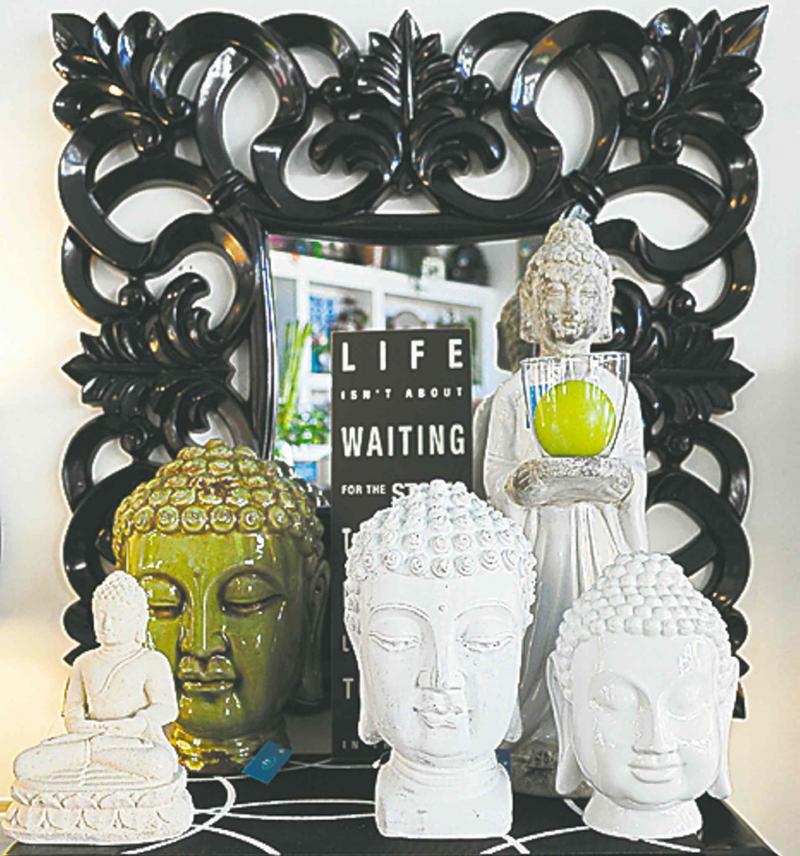
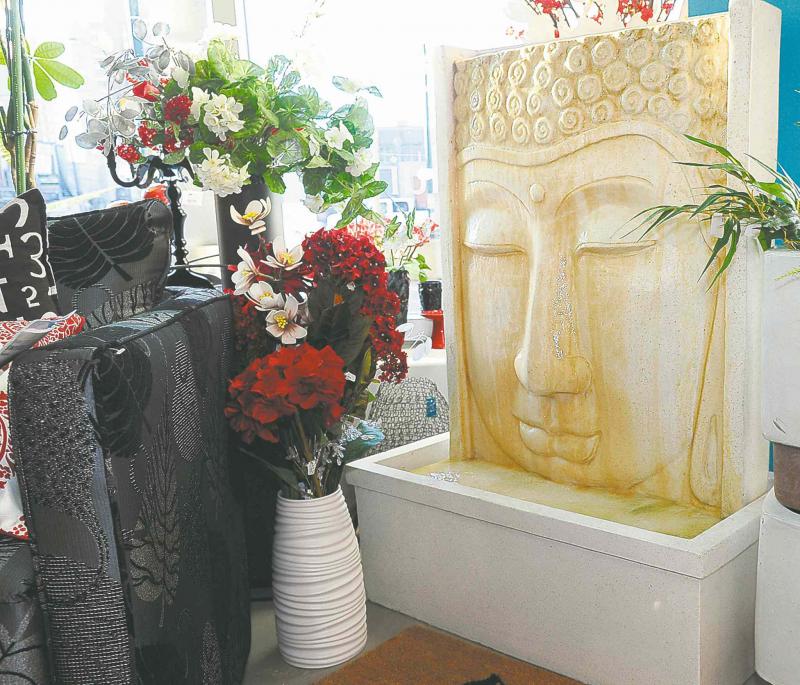
Proulx and her sister, Janice Funston, have set up their shop incorporating, as much as possible, principles of feng shui in its design, both to make it welcoming and to illustrate how it's done for customers.
Increasingly, people are turning to a more modern, westernized version of feng shui principles to create harmony in the design and esthetic of their own spaces, at home and at work.
Consultants such as Proulx and Funston help people incorporate feng shui into their lives.
"Most often when people are looking at feng shui, they're looking at improving something in their life... Or something doesn't feel right in the home, something's not working for them," says Proulx.
Most of their clients want to make some simple changes to their existing homes, although some do consult about plans for building a home that incorporates feng shui principles, she adds. In China, homes and public buildings are commonly built according to feng shui designs.
Traditional feng shui is based on the compass and land forms, with each direction representing a different element. Proulx uses a version based on a "bagua" or zone-energy map, in which a space is divided into eight zones, each corresponding to one component of a person's life, such as relationships, creativity or spirituality.
Stephanie Gruss, a feng shui practitioner, teacher and consultant in Edmonton through her company, Balancing Spaces, says feng shui, at its most basic, is about "the relationship between people and their space."
"A lot of people think it's about religion, but it's not. It has to do with the science of the elements of nature," she adds. "It's a holistic view on life."
Gruss is often sought out by people who are having trouble making their homes feel comfortable or complete. They may recently have separated and are trying to refresh their homes, or they're moving to new spaces.
Because it's not always practical to move walls or completely overhaul the interior or exterior of a home, feng shui consultants suggest small changes or tweaks to improve the balance and energy flow in the home.
Adding water to certain areas, including elements such as wood or fire, changing colours or pictures on the wall and adding or removing items in particular rooms are all simple adjustments people can make.
Proulx says she's done consultations for entire homes, single rooms, small offices and gardens.
Ramona Visscher sought Proulx's help in bringing good energy into her new home after a separation and a new job. She was particularly concerned about her finances and her health. So Proulx's suggestions focused on improvements to areas of the home associated in feng shui with those qualities.
Visscher added some water elements, including a fish bowl, and some colour, and saw improvements in her outlook.
"You can say it's coincidental, but I just find it brings peace and harmony into your whole lifestyle," she says. "Every room in my house I feel is comfortable because of that."
While the changes and remedies can be quite involved, there are some basics that underlie most feng shui practices. Balance and simplicity are key, says Gruss. That means eliminating clutter and keeping furniture and decor uncomplicated.
Feng shui can be applied to any and all rooms in the home, but the key areas are the entry way, the bedroom and the kitchen, she adds.
Adding a water feature to the entrance, an aquarium or a little fountain, is recommended. It also explains why so many Chinese restaurants have fish tanks by the entrance.
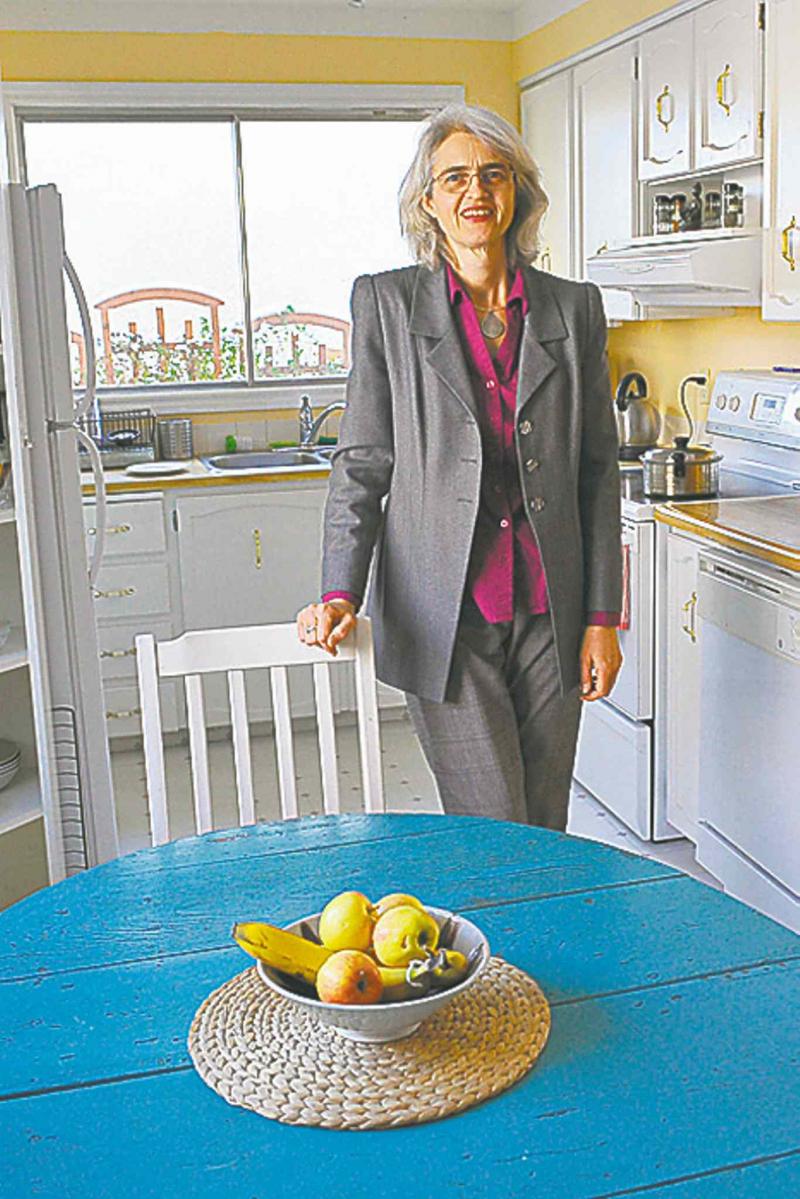
The kitchen should contain lots of wood, such as the solid wood table and chairs in the eating area of Gruss's kitchen, for example. Plants and a bowl of fruit are also good additions. Even in modern kitchens that emphasize metal and darker colours, adding wooden bowls or utensils and pots of fresh herbs contribute elements of wood and earth.
The view from Gruss's kitchen window of the side of her neighbour's house is mitigated and enhanced by a wooden trellis covered in vines.
In a couple's bedroom, balance is key, says Gruss. A headboard grounds the bed, while pairs of night tables, lamps and space to walk on either side of the bed add balance. Keep computers and TV out of the bedroom to create a sense of calm, she advises.
Photos of family and kids should also remain outside the bedroom, while the focus inside should be on the couple and their relationship. For single people looking for a relationship, the same principles apply.
-- Postmedia Network Inc. 2014