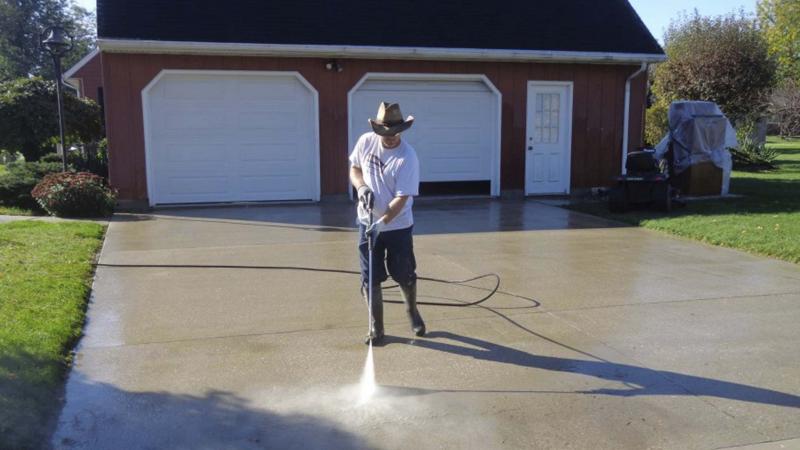
Question: I’ve noticed that the driveway approach to my garage is starting to sink. It originally had a piece of plywood between the garage slab and the approach when they poured the approach. The plywood has rotted and now weeds grow in there.
Would it help if I caulk the gap between the slab and the approach to prevent water from getting under the slab? If so, what type of caulking should I use? I was told that the water washes away the gravel and that’s why the approach is sinking. I would appreciate any help that you can give me as I want to take preventative steps, but am not sure what to do.
— Thanks, Janice Frykas
Answer: As with many home issues, general maintenance is the key to preventing serious future issues. In your situation, however, other factors beyond your control may be at play but keeping up with maintenance may help slow the deterioration.
It is very common for movement to be seen between driveways and the garages that they are adjacent to. There may be several factors that cause this up and down movement, but mainly it is due to the soil and fill underneath both the driveway and the garage floor slabs. Our expansive clay soil is notorious for expansion and contraction with changes in moisture levels. In dry years, this soil can shrink considerably and cause concrete slabs to sink. In particularly wet years, this soil can expand enough to push heavy driveways and garage floors beyond their original positions, often causing cracks and uneven surfaces. Compounding this is the freeze/thaw cycle, which can cause expansion of the soil in the spring and fall when the water in the soil expands. I would suspect that the recent dry summer weather for successive years is the reason you are seeing you driveway drop.
The proper solution to this issue is readily known, but often beyond your control, once the home is built. Removing a significant layer of the clay soil prior to installation of outdoor concrete slabs lays the groundwork for minimal future movement. Replacing this soil with a significant thickness of crushed stone, or other granular fill, and heavily compacting it will minimize the up and down forces on the slabs. This works because this fill is prone to better drainage of moisture in wet seasons, while being resistant to shrinkage in dry ones. Unfortunately, once your home is complete and the slabs are poured, there is little you can do to fix this issue.
One possible solution, should this movement become significant enough to require repairs, is to mud jack the slab or slabs. This process involves drilling small holes in the surface of the concrete and injecting special compounds into the soil to lift the slabs back to original positions. The traditional materials used are special expansive soils, but more modern methods also use plastic foams or other similar compounds. Once these materials are injected and cured they can retain their positions for a decade or more. This repair will only work if the concrete is in good condition, which may include long, even cracks but limited surface spalling or deterioration.
Another factor affecting the gap between the garage and the driveway is the different environmental conditions in both areas. Garage slabs are not normally subject to the same amount of moisture changes or temperature fluctuations in attached garages, than driveways. The structure and grading of the garage may prevent excessive moisture entering the soil underneath after construction. Driveways, on the other hand, are subject to extreme exterior temperatures and precipitation. If the soil around the driveways is much higher of lower than the slab, it can further affect movement. To that end, your question about maintenance is applicable.
Filling a small gap between the garage slab and your driveway is the right thing to do. If it is less than 10 millimetres or so, filling it with ordinary caulking designed for concrete should be easily accomplished. This will prevent moisture from entering the crack. I would not worry too much about washing away fill, but rather preventing rain and snow from entering this soil and causing expansion and contraction of the soil below. If the gap is larger, stuffing it with a water resistant foam rod, before filling with caulking, may prevent the caulking from shrinking away from the edges of the crack. Filling small cracks in the surface of the driveway and garage floor with the same material will also prevent further deterioration from the freeze/thaw cycle, as well.
The final item to look at in relation to slab movement is the soil and grading around the driveway. It is very common for this soil to erode over time and building it back up may do more to prevent sinking than anything else. The soil at the perimeter of the driveway prevents the underlying fill of the driveway from settling, by holding it in place. Often overlooked, if the driveway surface is several centimetres above the surrounding grade, building that back up will be the most important maintenance issue to deal with.
While it may be true that a gap between your driveway and your garage slab can allow water to enter the fill underneath, increasing movement, it may not be the most pressing factor creating this issue. Caulking or filling in this gap is warranted, but ensuring the soil surrounding the driveway is built up, after deterioration from erosion, may be the most serious area of repair needed.
Ari Marantz is the owner of Trained Eye Home Inspection Ltd. and the past president of the Canadian Association of Home & Property Inspectors — Manitoba (cahpi.mb.ca). Questions can be emailed to the address below. Ari can be reached at 204-291-5358 or check out his website at trainedeye.ca.
trainedeye@iname.com