A slender teak coffee table he spotted 10 years ago was the start of Martin Lafrance's love affair with Danish furniture.
It was my first piece of '70s furniture, and he paid $200 for it, which was quite a deal, he said.
Once he had placed the table in his apartment, Lafrance realized this was the only type of furniture he wanted to buy. He said he loves the simplicity and the quality of the furniture.
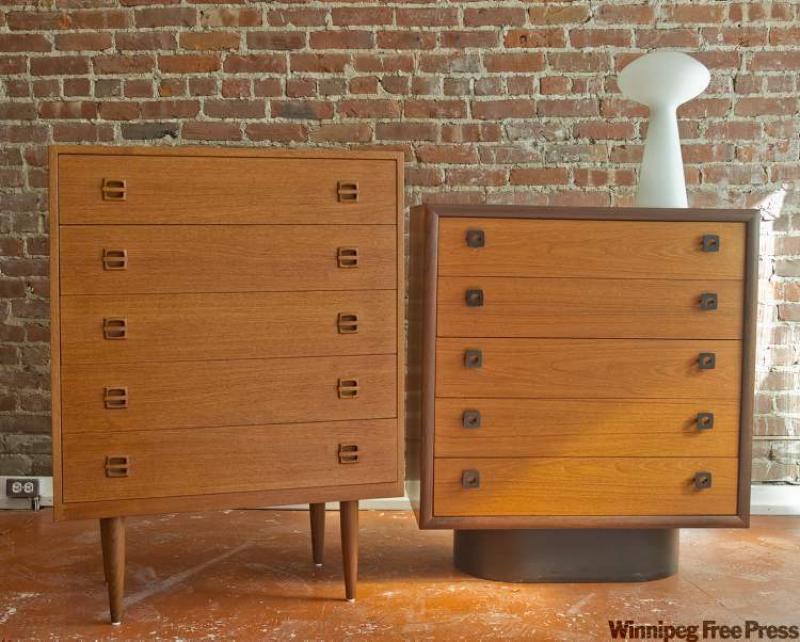
Known as Danish Mid-Century or Danish Modern, these tables and chairs, desks, dressers and sideboards from the postwar period -- many of them made of teak -- are recognizable for their simple and elegant lines. They were not only designed to look clean and minimalist, but the furniture was so well made, many pieces have survived in excellent condition.
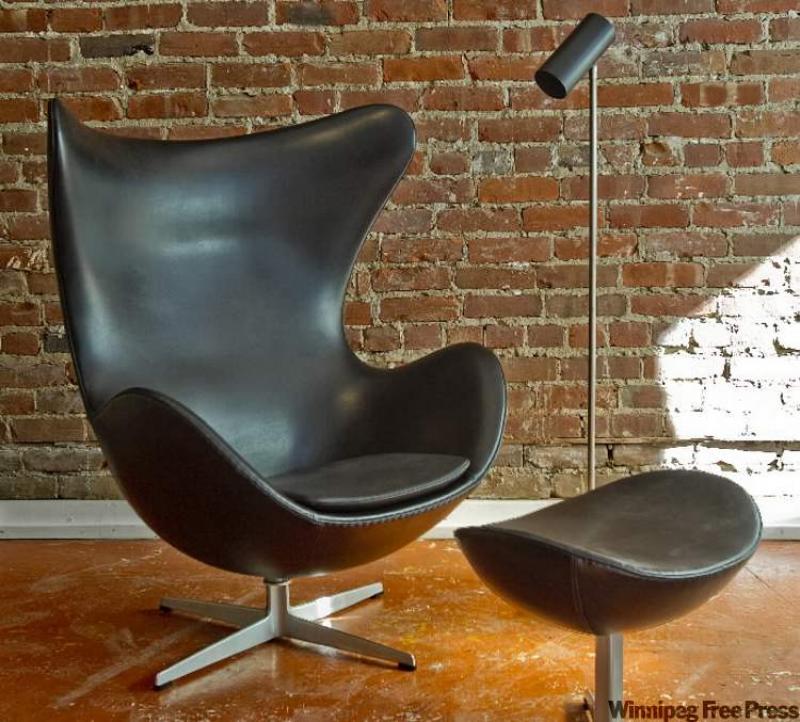
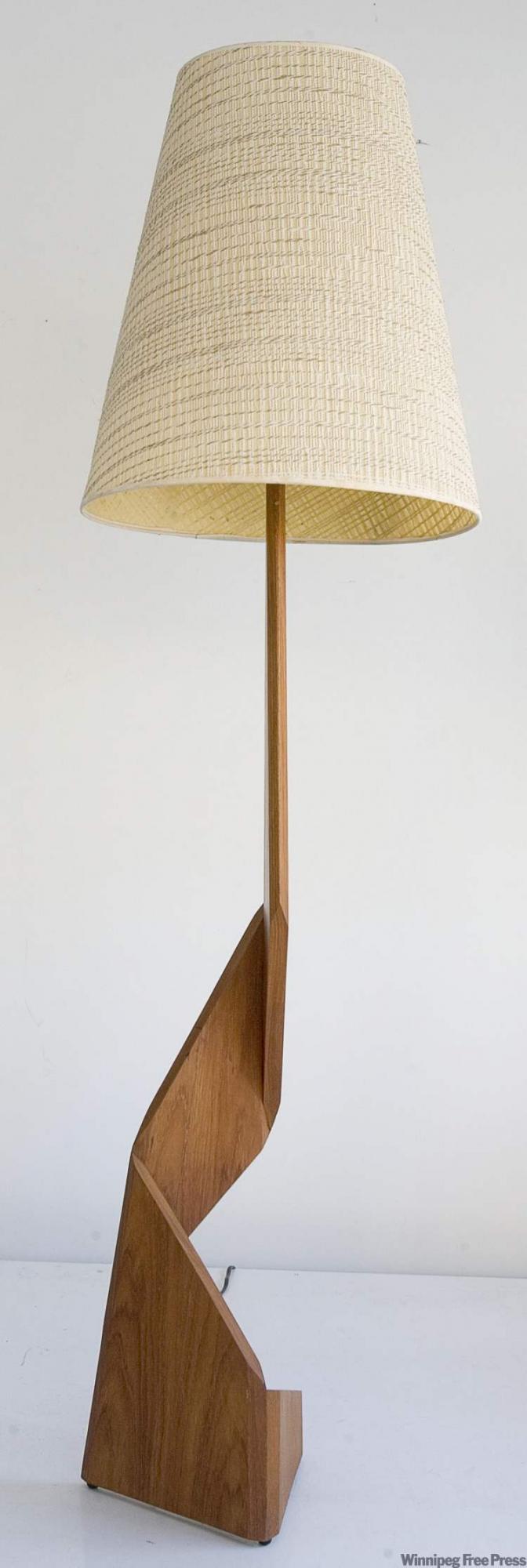
Now Lafrance's personal collection includes pieces made famous by furniture designers of the period, which today fetch many thousands of dollars. I've got a credenza from Hans Wegner (a Danish designer whose major work includes the sculptural Shell chair), also a lamp from American designer George Nelson, and a collection of pieces from Arne Jacobsen.
One of the most influential Danish Modern designers, in 1952, Jacobsen created the stackable, space-saving Ant chair, which had three metal legs and was made out of a single piece of moulded plywood. His Number Seven chair, made in beechwood, has been called the biggest success in Danish furniture history.
The pull of Danish Modern was so great that four years ago, Lafrance opened a shop dedicated to these cleverly styled pieces, both foreign and domestic.
In the 1970s, companies that would import the furniture would also have their own line, so about 35 to 40 per cent of what Lafrance sells is made here, he said, like Royal System furniture from Montreal. Only a connoisseur can tell they're not from Denmark.
Now in his shop, Montreal Moderne, Lafrance sells teak credenzas, tables and chairs and a collection of rosewood furniture. He likes the grain of the wood, the colour and the lines.
Teak is more for apartments; you furnish your house in rosewood.
Designing apartment furniture was the driver behind the Scandinavian invasion, and apartment dwellers continue to seek out these pieces, says Pierre-Andre Bruneau of Antiquités Curiosités, another of a nest of 1970s decor shops situated on Montreal's Amherst Street.
Montrealers live in apartments and buy condominiums and the windows are square and the lines are straight, not like antiques, Bruneau said. They're younger, in their 30s, and they love this style of furniture.
Older shoppers, he says, are familiar with the designs and often will buy as an investment. This makes good sense with a piece that's signed, such as the Charles Eames chairs in the shop, with island legs and curved seats in wood.
They also have two chairs ($900 each) by French designer Olivier Mourgue, best known for his Djinn furniture series, the first furnishings to have been made of polyurethane foam on tubular steel frames. These pieces furnished the interior of the spaceship in the 1968 film 2001: A Space Odyssey. Mourgue also designed the furnishings for the French Pavilion at Expo 67 in Montreal.
Prices are low, Bruneau says, relative to other cities. Sometimes, collectors will come here for a table and chair that we would sell for $2,000 that in New York would fetch $7,000.
There is a growing interest in this furniture, Bruneau says. They know they can do many things with the furniture. People used to buy credenzas with a top hutch to display glass. Now they put a flat-screen TV in it, or use it as a bookcase.
Clients approach vintage furniture differently, he says. When they buy an antique piece, they want to see the life on it, the marks. With this furniture, they want something looking like new, with no scratches.
Furniture, pottery, rugs and lamps, all that is Scandinavian, is in Jack's on Amherst Street, open since 1998. Owner Jean-Guy Orr has been collecting for 30 years.
The furniture Cyr loves ranges from teak to chrome and white. It's the plastic moulded furniture, from 1969, after man walked on the moon.
Cyr has Eames lounge chairs by Herman Miller ($3,000 to $4,000 with the label). He said he loves the Arne Jacobsen Egg chair and Swan chair, he says.
Because of its quality and personality, Cyr believes this furniture will never lose value. And it merges easily with contemporary pieces. People who collect contemporary art really love Scandinavian furniture, he said.
We're like the Scandinavians, he points out, all people from the North. Although this furniture looks good in summer, too.
-- Canwest News Service