Yes, it's true: gardeners in the past did use high-nitrogen artificial chemical fertilizers to keep lawns green. Sometimes, green thumbs used pesticides and herbicides without a lot of thought of how they were harming the planet. But as a rule, most committed gardeners eventually stopped doing these things, especially as they gained more knowledge and learned better gardening practices and understood nature's deeper way of doing things.
Today, for instance, experienced gardeners know very well that if a healthy plant is in the right place, it is less prone to diseases and less vulnerable to stress, and therefore less likely to attract harmful bugs and suffer growth problems.
Expert gardeners also know that mulch is an excellent way to retain moisture in flower beds, which in turn reduces the need to weed and water. Most gardeners also usually reach a point in their development when they decide to replace lawns with more interesting landscaping such as mixed shrub borders or gravel paths, arches and arbours.
But if they do keep their lawns, they quickly understand grass needs very little water to survive and only basic maintenance (yearly aeration, overseeding and liming) to suppress weeds and eliminate the need for excessive fertilizing. All are very environmentally friendly practices.
In Vancouver, a Green Team has been busy since April showing people how to "go green." The team promotes awareness of how we can "green our lives" and reduce carbon emissions.
"Our goal is to make a difference. We want people to become carbon neutral, which means balancing what you burn with what is put back into the earth," says Kaitlyn Ryan, who leads the team.
Here are some of the useful gardening practices:
 Use native plants. They can survive on their own without much care. They also attract animals and don't require pesticides.
Use a manual lawn mower instead of one powered by gasoline.
Take your yard clippings and food scraps and use them in a compost. This creates soil that can be put back into your garden.
Refrain from using pesticides -- they're far more harmful than weeds and insects.
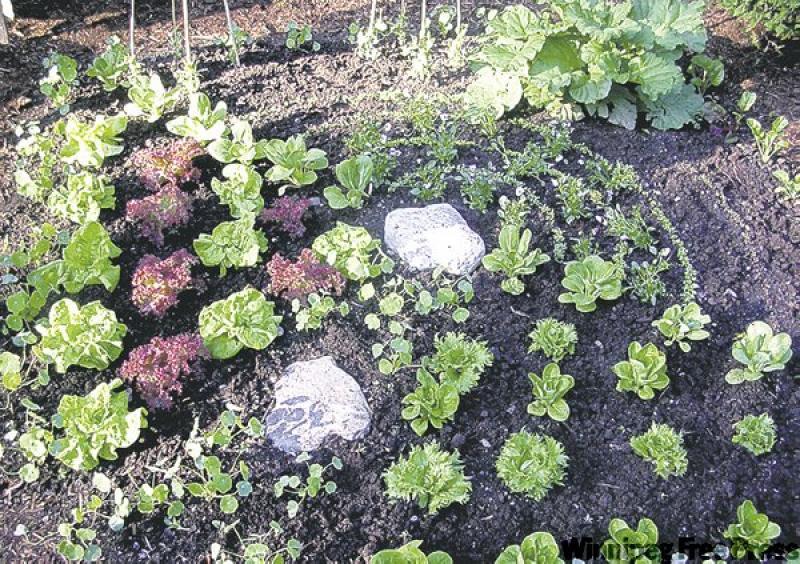
Plant your own vegetable garden. Then you can ensure your veggies are fresh and pesticide-free.
Plant trees and plants to reduce carbon emissions, especially in urban areas where emissions are high.
-- Canwest News Service