LANDSCAPE ASSOCIATES
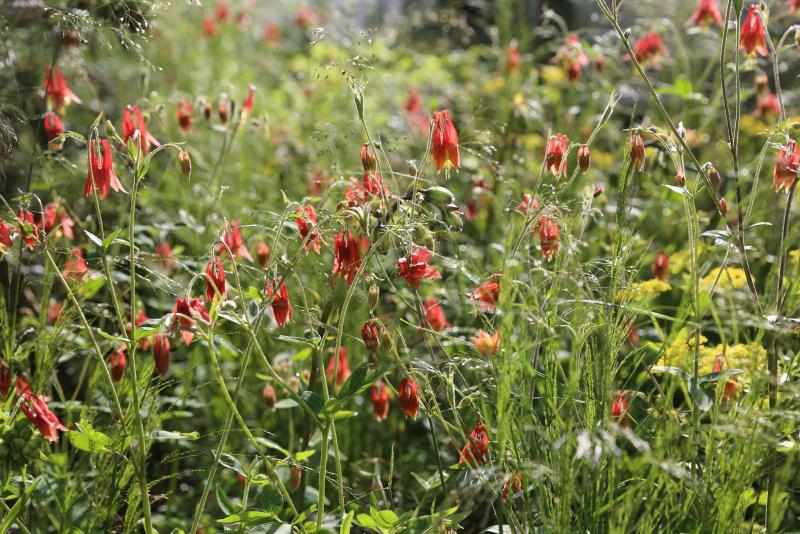
When selecting plantings for her woodland garden, designer Charlotte Harris used a restrained palette because she believes less is more. Shown: Aquilegia canadensis columbine.
LANDSCAPE ASSOCIATES
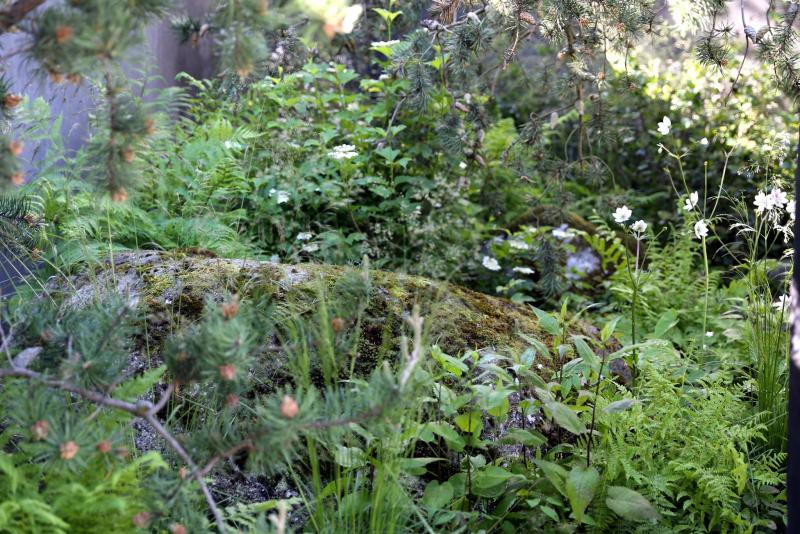
The RBC garden celebrates the pristine, unspoiled beauty and diversity of the boreal forest, a message that resonates worldwide.
Marianne Majerus
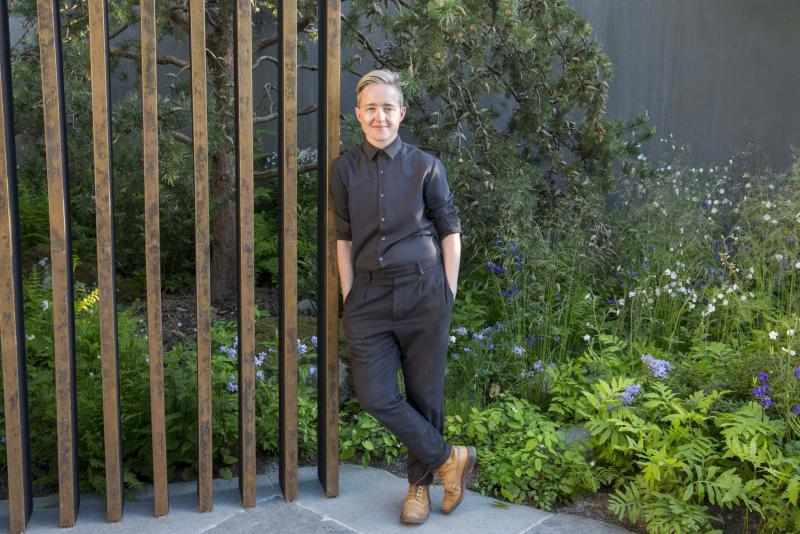
Awarded a gold medal this spring at the RHS Chelsea Flower Show, Charlotte Harris’ handsome garden design evokes the story of Canada’s boreal forest.
LANDSCAPE ASSOCIATES
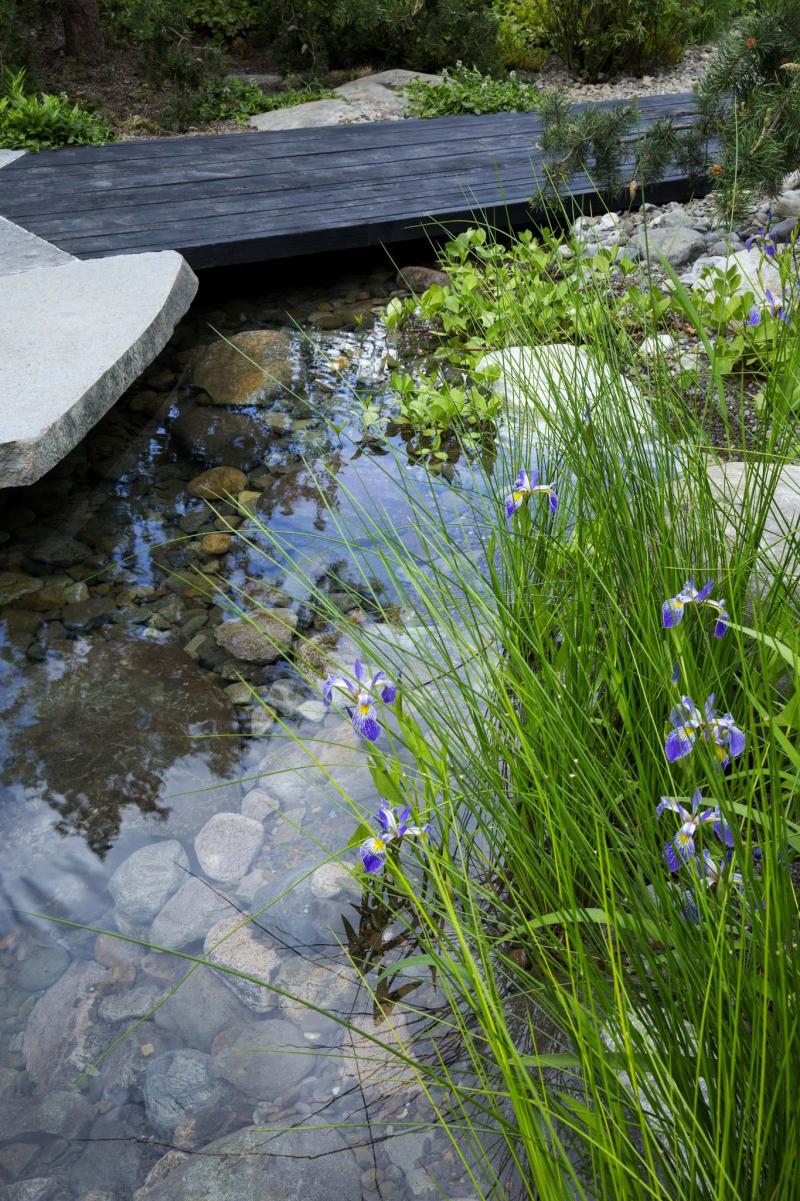
Canada is home to 25 per cent of the world's unfrozen fresh water, a fact signified by the garden's crystal-clear glacial stream.
The narratives of a garden are what make a particular garden experience meaningful. When the stories are told well, the garden design has far-reaching resonance, inspiring viewers to seek to discover and understand the designer’s creative vision.
This story starts in the Chelsea neighbourhood of London, where the best in garden and floral design is showcased annually at the Royal Horticultural Society Chelsea Flower Show.
Arguably the most famous garden show in the world since it debuted in 1913, the Chelsea Flower Show is the definitive guide to garden trends. Held on the expansive grounds (64 acres) of the Royal Hospital Chelsea, it receives more than 150,000 visitors each year, many of whom go for the chance to see the spectacular show gardens.
This spring, the Royal Bank of Canada Garden by designer Charlotte Harris received a prestigious Show Garden Gold Medal. With a distinctly Canadian connection, this winning design was inspired by the boreal forests and freshwater lakes of Canada and profiles RBC’s environmental focus on the importance of fresh water resources.
Nicola Carroll, senior manager of corporate citizenship at RBC Wealth Management, says this is the seventh consecutive year RBC has had a garden at Chelsea, but this year was a little different.
"Given that this year is Canada 150, we thought it was fitting to incorporate our Canadian roots into the design," Carroll says. "Charlotte Harris proposed the idea of presenting a garden based on the ecologically vital boreal forest and waterways, which allowed us to tie our Canadian heritage and environmental efforts into the design."
Harris is one of the U.K.’s top landscape designers and one of the two leads at Harris Bugg Studio, which has studios in London and Exeter, England. She trained under Tom Stuart-Smith, the internationally renowned English landscape architect and garden designer. She has a degree in history, which influences her innovative perspective on design. In addition, her design methodology includes geology, topography, native habitats and sense of place.
Last September, in preparation for designing the RBC show garden, Harris travelled to Canada to explore our boreal forest.
"It was an incredible two weeks — a perfect, wild, amazing experience," she said in our recent phone conversation. Harris believes the garden is an extension of the landscape. In designing the RBC garden, it was important to her that it have a strong sense of place and that the materials used to design the garden demonstrate a relationship to the geology of the boreal forest.
Gardens should act and feel like natural landscapes, Harris says.
"That doesn’t mean a garden design can’t be contemporary — nor does it mean it has to be extremely traditional — but it does need to have a connection to the surrounding landscape."
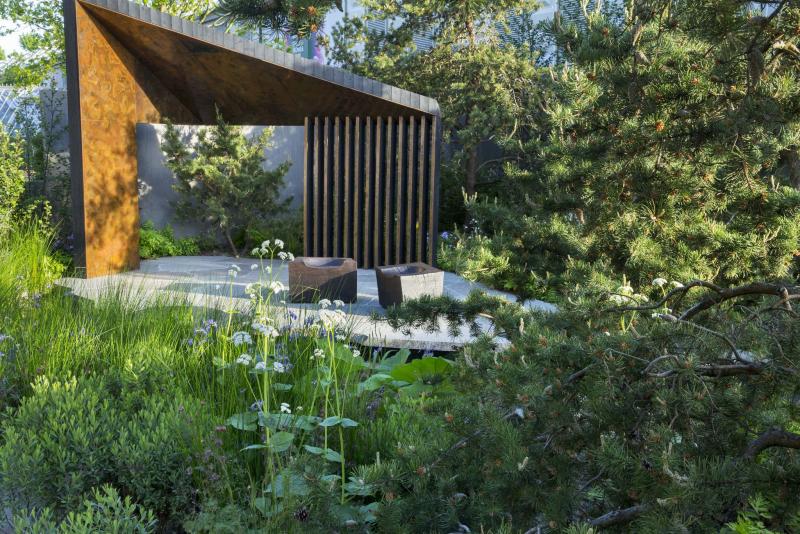
Central to the design of the RBC garden is a striking, angular loggia, an open-sided pavilion-type of structure whose design was inspired by the wooden shelters in various states of disrepair she saw while trekking through the boreal forest on foot and by canoe. Seeing how nature pushes back and pushes through a structure while still giving it a sense of shelter directed Harris to give the loggia a strong presence in the garden without overtaking the garden’s design.
The loggia was built from burnt larch and lined with patinized copper. Harris selected larch (commonly known as the tamarack) because it is a native boreal tree species. Why did Harris use the technique of fire to scorch the larch? Part of the answer is that Canada’s boreal forest is part of a pan-Arctic biome that also includes Sweden, Finland and Siberia, and touches the north of Japan. Charring wood surfaces is an ancient Japanese technique of sustainably preserving timber, a method that today is enjoying a resurgence of interest among designers and architects. Harris’s intent was to symbolize the important relationship between forests and fire.
To further the narrative of fire, Harris surrounded the loggia with soaring Jack pines (Pinus banksiana), the most prevalent pine species in Canada’s boreal forest. Semiserotinous, the cones are held closed by a wax layer, only opening to release their seeds when there is a forest fire. "I chose the Jack pines because they are archetypal and just so majestic," Harris adds.
Authenticity is very important to Harris, who uses simple, natural elements to interpret every space she designs.
"I chose copper to line the loggia because of its relation to the rich mineral mix in the boreal geology," she explains. "Copper is one of the reasons the landscape is being mined. Every choice of material for the garden came very clearly from a story."
To accelerate the effect of weather on the copper lining’s bright, shiny surface, Harris referred to an authoritative guide on the patination of metals. Patinized copper creates beautiful patterns that in time form a bluish-green patina or verdigris.
"All the harbingers in the garden are perfectly imperfect," she says. "I did lots of tests in my kitchen with some quite dodgy chemicals." The resulting effect, she says, speaks not to decay, but rather a natural sense of aging.
As our awareness grows of the environmental importance of gardens, Harris says we are being drawn to simpler things that give us a sense of home and a sense of being immersed in a particular place. "What I really struggle with, sometimes," she says, "are gardens or public landscapes where things have been kind of plonked on them and rather than a sense of place, it’s more the ego of the designer. In that case the same formula could be applied to every garden design. Instead, I’m picking the stories about landscapes that make it unique."
Harris adds that for the RBC show garden she wanted to tell a number of smaller stories with narratives that are revealed over time.
"The gardens I love are ones where you don’t ‘get’ everything at once."
Seasonal plantings are one effective way to further the narrative of a garden space. To create the garden’s woodland planting scheme, Harris used Aquilegia canadensis, a wild columbine with red and yellow flowers and Cornus canadensis (bunchberry), a wildflower with single white Dogwood flowers and scarlet berries in the fall. Both are native species common to Canada’s boreal forest. Necessity dictated, in some of the plant selections, that suitable alternatives be sourced.
Harris says she works with a restrained planting palette. It’s not about using, say, 30 different things, but perhaps eight on a beautiful rhythmic repeat.
"Think about music," she says, "where there is always a kind of repeat of a tone or a chorus so that the garden has a level of continuity and change."
Rich in reflective surfaces, the garden includes a crystal-clear stream evocative of the vast bodies of fresh water lakes found in Canada. The stream also celebrates RBC’s Blue Water Project, a 10-year global commitment to help protect fresh water.
This wonderfully sustainable garden design will now be relocated, piece by piece, plant by plant, to a nature reserve in the north of England. If only it could be ours.
colleenizacharias@gmail.com