
EcoTea photo
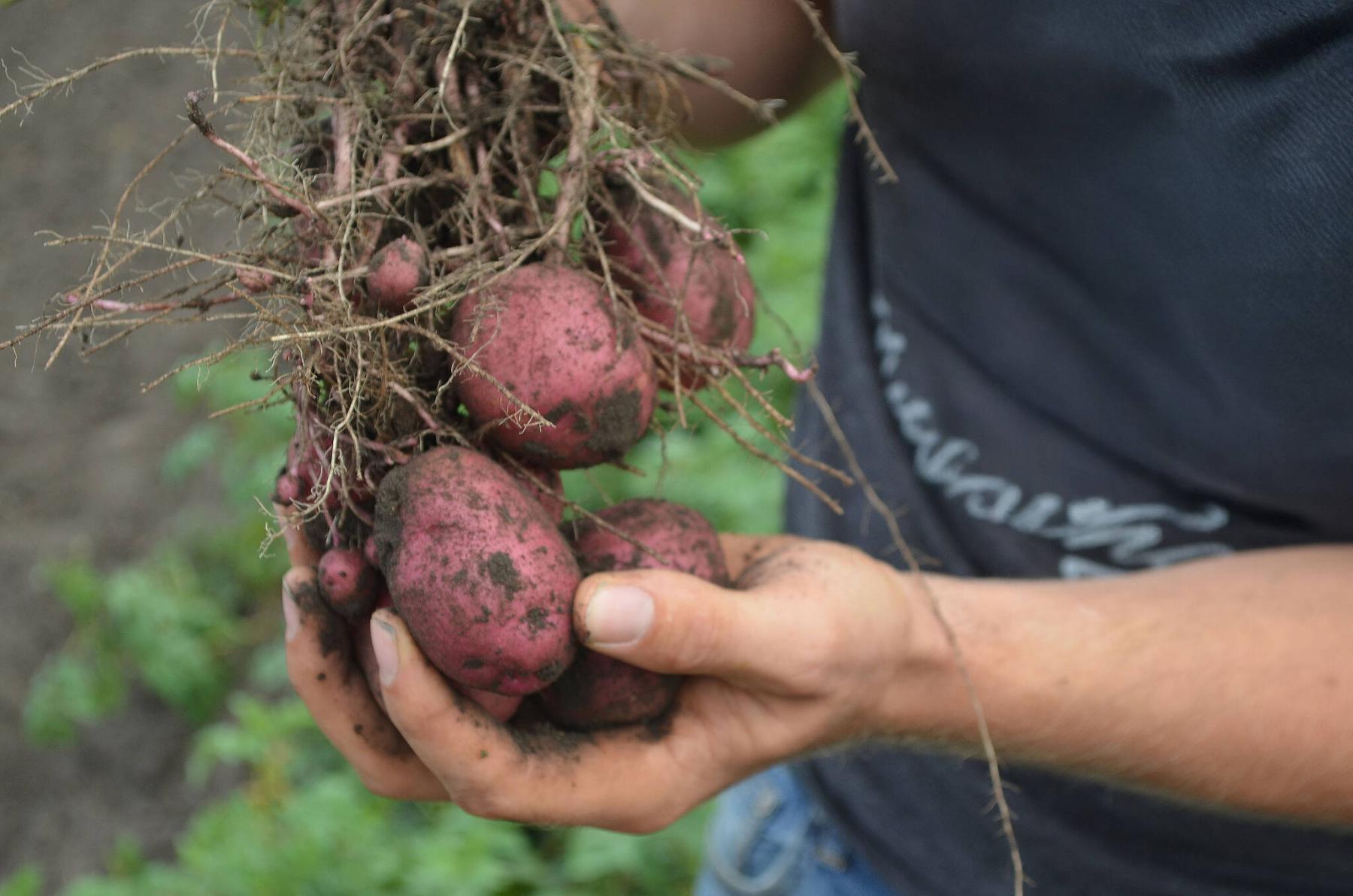
Products by EcoTea, a made-in-Manitoba success story, have been used to support plant installations for major projects such as Toronto’s new Waterfront Park.
EcoTea photo
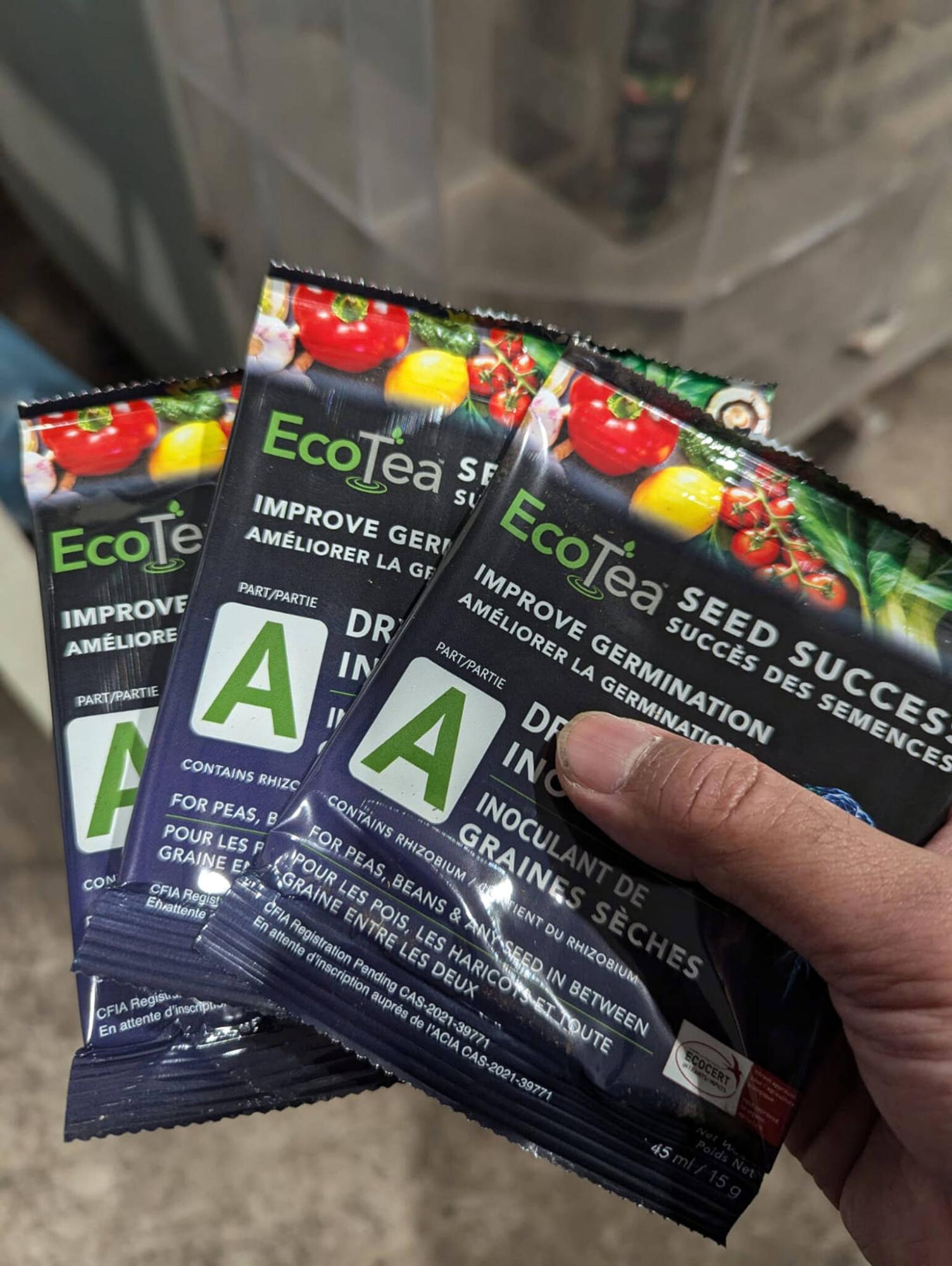
Starting seeds indoors? You can improve seed germination with EcoTea Seed Success.
EcoTea photo
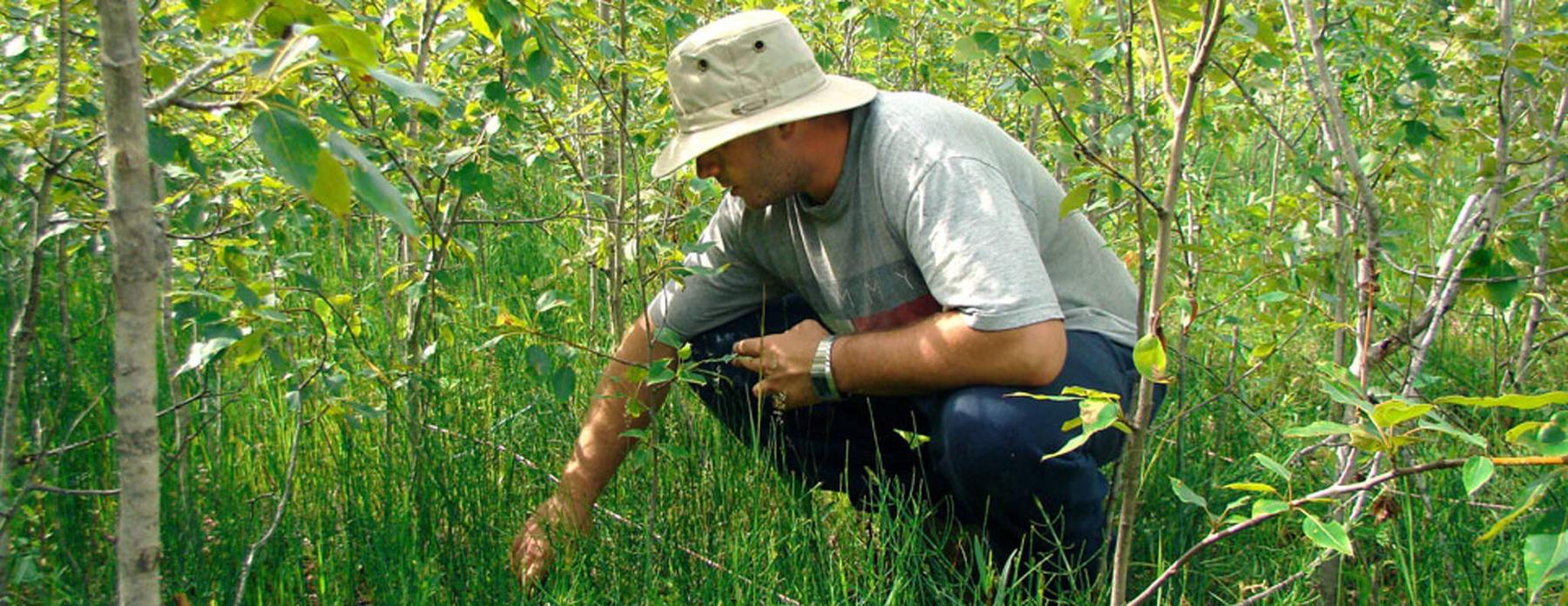
Dale Overton, owner of Overton Environmental Enterprises, says healthy soil is vital for healthy plants.
Soil health has always been important to anyone who wants to grow plants that flourish but never more so than today. Soil degradation due to drought and extreme weather is a global problem that has a direct link to agricultural productivity and food security.
The status of soil health in Canada is not a concern limited to farmers and backyard gardeners. Scientists, policy makers and researchers are recommending urgent action to protect soils to safeguard the future of our food production.
In June 2024, following an 18-month study of soil conditions in Canada, the Standing Senate Committee on Agriculture and Forestry released the report Critical Ground: Why Soil is Essential to Canada’s Economic, Environmental, Human and Social Health. The report, which is based on testimony from more than 150 experts, concluded that soil in our country is at risk, with implications for food production, climate resilience and biodiversity.
Dale Overton takes soil health and its implications for fertility and food production seriously. His company, Overton Environmental Enterprises, manufactures several microbial products for large-scale agriculture as well as for the home gardener. Overton is deeply interested in regenerative farming practices and how biological amendments can benefit soil health, carbon sequestration and soil microbiomes, and boost growth rates and crop yields.
A Manitoba success story, Overton Environmental manufactures several products sold under the brand name EcoTea which stands for “engineered compost tea.” This biological amendment consists of an organic blend of humic, fulvic and long-chain amino acids, Atlantic kelp extract, simple and complex carbohydrates, and enzymes.
The success of EcoTea in improving soil structure has propelled Overton’s company into involvement with several major projects. But let’s start at the beginning.
In 2008, Overton was enrolled in a master’s program in biological sciences at the University of Manitoba. “I was studying quantitative plant ecology with a focus on land reclamation,” he says. “But a few months away from completing the program, I had a major business opportunity to do consulting work. So, I started my business in 2008. At the time, I was primarily identifying insects but my goal for my company was to help reclaim contaminated soils through the use of microbes.”
Today, Overton is a recognized innovator of products using biological solutions — ecological engineering — to improve soil health. But what exactly is EcoTea and how does it work?
“EcoTea provides specific types of microbes that allow the soil and plants to function better,” says Overton. “When you are transplanting a plant into soil or building a new garden bed, you have disturbed that soil and microbes are needed to repair the soil structure. EcoTea, which is comprised of worm castings, inoculates the soil with beneficial microbes.”
Overton Environmental operates a large worm farm. “We build extremely advanced composts using ecological engineering. So, we’re trying to engineer microbes that are typically missing from stressed urban and agricultural environments, especially in situations where lots of agricultural chemicals have been used,” says Overton.
Over time, the use of synthetic fertilizers can degrade soil health. “We aren’t saying to not use fertilizer but to use less fertilizer,” says Overton. “If you use a lot of fertilizer in your garden, your plants become lazy. Lazy plants don’t form relationships with soil microbes which are needed to create a complex, dynamic root system, so that when stress hits, plant roots are able to cope.”
Overton gives the example of a tomato or potato plant that is fed regularly with synthetic fertilizer during drought conditions, a major stressor on plant roots. “You pull up the plant and discover it has no roots or very few. That’s because you’ve been feeding it so much synthetic fertilizer that it didn’t need to grow roots.
“EcoTea is probably the most potent root stimulant on the market,” says Overton. “It works unlike any other product for stimulating root development. It’s not a fertilizer. It is a natural product that promotes fertility by helping plants utilize the resources in your soil.”
Overton backs up his claims with solid data. His company conducts large-scale field trials and compares root development with the use of EcoTea. “In a three-year in-furrow experiment in Manitoba with potatoes (placing agricultural inputs directly into the trench), we were able to cut out anywhere from 20 to 40 per cent of the fertilizer, as well as one to two pesticide applications, and exceed the yield.”
In recent years, EcoTea has been applied as part of several major projects including the Google campus property in San Jose, Calif., where it was added to trees, garden beds and turf. EcoTea was also used in 2025 at the YouTube campus expansion project in San Bruno, Calif., where the landscape plan includes 500 caliper trees and 40,000 shrubs.
“Our product was also used to support the plant installation at the Waterfront Toronto project. So far, we have put 50,000 litres of Eco-Tea into Biidaasige Park,” says Overton. Naturalizing the heavily impacted urban site will provide a multi-purpose urban greenspace that will also help prevent flooding.
In Manitoba, wholesale plant nurseries such as Aubin Nurseries and Vanderveen’s Greenhouses, both located in Carman, use EcoTea in the soil medium for the plants they supply to their retail customers. Eco-Tea products are also used in the gardens at Clear Lake in Riding Mountain National Park.
For gardeners who are starting their edible and ornamental plants indoors from seed, EcoTea Seed Success is a certified-organic dry-seed inoculant and stimulant that is available at local garden centres. It coats the seed with microbes which help break seedling dormancy. “It’s very simple to use,” says Overton. “Just coat your seeds with a pinch of the product before you plant. EcoTea Seed Success improves germination and results in healthier plants.”
Overton has a new product currently in development that will also be of interest to both home and market gardeners. In August, EcoTea plans to launch a product pilot for a compost tea specifically for the retail market.
“It’s not like homemade compost,” says Overton. “It is a shelf-stable liquid product. We’re one of the only companies in North America that’s been able to figure out how to make a shelf-stable compost tea that is consistent and works the way you want it to every time you use it. A litre of the solution will sell for about $11 and be enough to do your entire garden for the whole year. Our goal is to have three different products — one for seeding, one for vegetative growth and one for flowering.”
Overton says it’s important for anyone who grows plants to think about how soil functions.
“Soil health is absolutely vital in growing healthy plants,” he says. “Soil is the most important resource for a plant, and it is the one resource we can control on our farms or in our gardens. We can test it, plan for it and amend it. Healthy soil not only grows healthy crops, it is more resilient in a changing climate. Healthy soil microbiology is also paramount in human health. But I feel like soil has been something that has been taken for granted for too long.”
colleenizacharias@gmail.com