Question: In a departure from the norm, the question today will be an inspection-related one posed by me: has there been an increase in the number of pre-purchase home inspections since the market has cooled down?
Answer: As the residential housing market has changed over the past year or so, becoming a more balanced market, the frequency of pre-purchase home inspections done in Manitoba appears to have increased, but it is difficult to know for sure.
Because there is little or no data collection tracking this, changes in the number of inspections is a matter of speculation. I can only go on anecdotal evidence to say things are returning to a more normal level, but the trend seems to be going in the right direction for better consumer protection.
Almost a decade of record-low interest rates, an influx of people and demographic changes has created a seller's market in much of the country. Demand for housing, particularly affordable homes, has outpaced supply for several years. This situation not only drives up the value of these properties, but also can have an effect on other aspects of home purchases.
The most noticeable of these is the pressure on buyers to make quick decisions to prevent losing out on available homes for sale. Things became even more urgent due to upgrades to the MLS service and the availability of high-speed internet and Wi-Fi services almost everywhere.
Information is now instantaneous, so dragging one's feet when desirable homes become available is a recipe for losing out. Because of this, many homebuyers frequently made offers to purchase a home after only a few minutes of scrutiny, following a single viewing.
This rapid-fire buying process is something various parties are uncomfortable with, including many realtors.
Rushed purchases can lead to unhappy buyers, not fully realizing what they have gotten themselves into. Because of this situation, it became even more important to include conditions in the offer to protect buyers from getting in over their heads.
For this reason, a condition for a satisfactory home inspection became the norm when this real estate boom began. This allowed a buyer to obtain a much better understanding of the condition of the home before the deal was finalized. If the home had many more items needing repair or replacement than originally envisioned, the offer could be renegotiated or terminated. In many cases, the inspection simply became a learning experience for buyers and reinforced their positive opinion of the property for their needs.
Unfortunately, as the market evolved, even more pressure was put on buyers to make favourable offers to the sellers. This often meant paying well-above the list price for a home, but an even more troubling trend emerged: forgoing any conditions in the offer to purchase became commonplace.
Purchasers were encouraged to provide "clean offers" to sellers, when more than one offer was anticipated. This not only removed the inspection condition, but also common financing conditions critical to a successful closing. The elimination of these two previously standard clauses left many buyers with poor scrutiny of the home and, sometimes, a lack of financial options.
If a buyer could not secure a mortgage after making an unconditional offer, they would normally forfeit the deposit placed with the offer, or worse. This not only was a financial burden for the buyer, it could be a major inconvenience for the seller, especially if this occurred close to possession date.
The practice of clean offers became so common in some areas it was the norm, rather than the exception.
The pitfalls of this situation were minimized by lending institutions providing pre-approval for buyers and inspectors providing pre-offer home inspections. Sometimes, these precautions were taken, but both were often omitted.
In response, the Manitoba Securities Commission, which regulates the real estate industry on behalf of the provincial government, changed the offer-to-purchase forms a few years ago.
All current forms contain a home inspection clause, and other items, as a negative option. This means buyers have to voluntarily decline the inclusion of a home inspection condition and a property disclosure statement from the sellers, if they desire.
This change made the disclosure statement a more common part of the buying process, but whether it increased the number of home inspection conditions being included is questionable.
So has this situation changed in the last while as the real estate market has slowed and become more of a balanced market?
It appears the trend is going in a favourable direction, with more home inspection conditions being included in offers. Realtors are more frequently recommending including this, due to the lack of competition for many homes. As that was the underlying rationale for omitting important due diligence like home inspections, buyers should no longer feel pressured to purchase homes without proper professional scrutiny.
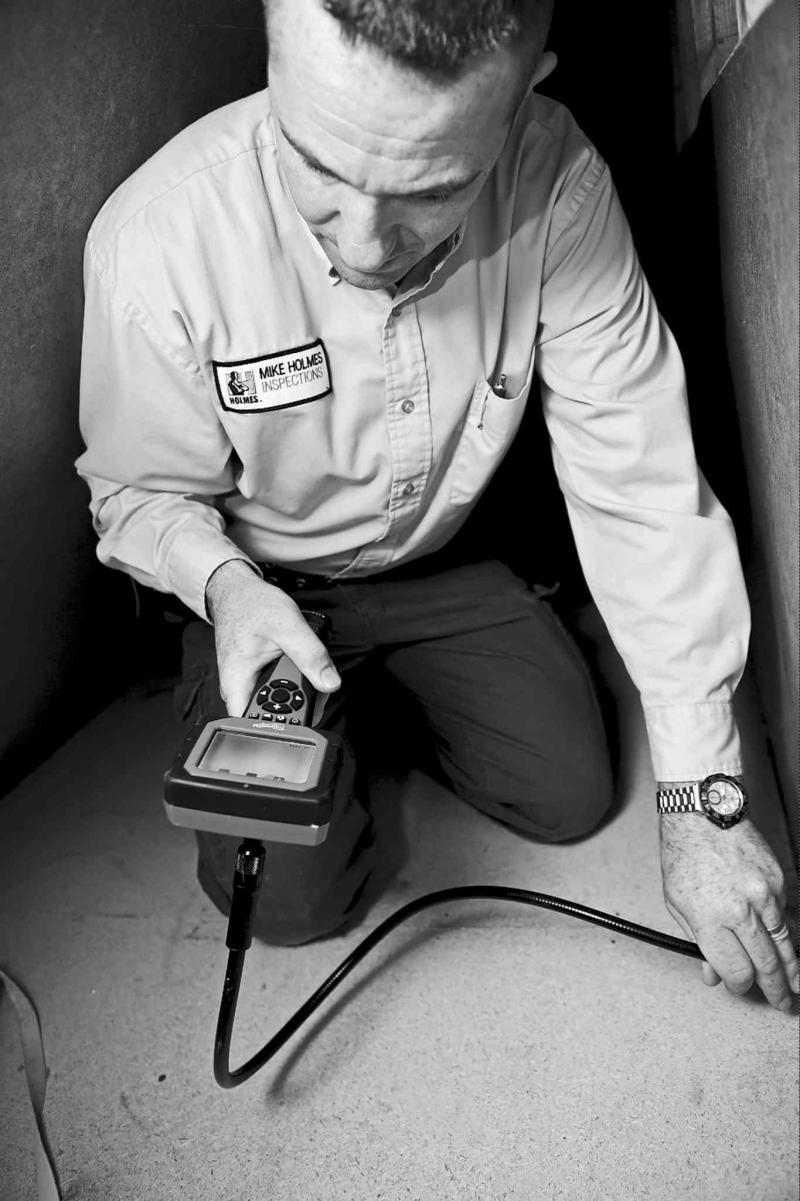
As the return to more common use of home inspections continues, a word of caution is also in order: more certified home inspectors appear every year, but few have the experience or qualifications to do a proper job. With no licensing existing in Manitoba, hiring only registered home inspectors (RHI) with CAHPI-MB is the only assurance the inspector has met the criteria to do a proper inspection.
Are more homes having pre-purchase home inspections now that the market has settled down?
Just how many home inspection conditions on offers to purchase are being exercised is debatable, as this is not something tracked with other statistics related to home sales.
The good news is signs are trending toward increased use of home inspections prior to purchase, which benefits all parties involved.
Ari Marantz is the owner of Trained Eye Home Inspection Ltd. and the past president of the Canadian Association of Home & Property Inspectors -- Manitoba (cahpi.mb.ca). Questions can be emailed to the address below. Ari can be reached at 204-291-5358 or check out his website at trainedeye.ca.
trainedeye@iname.com