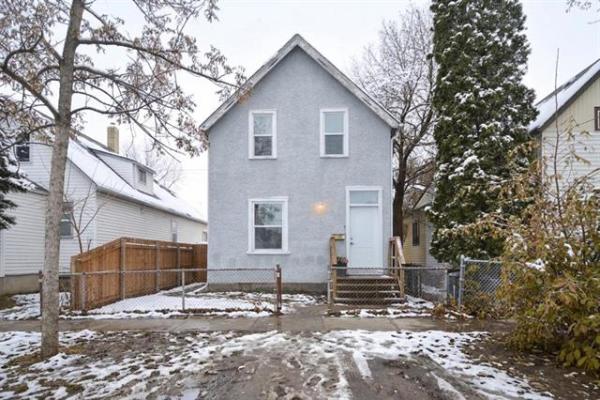
Question: My boyfriend and I own a home in Winnipeg that was constructed in the late 1930s and we have some concerns about lead paint. Our baseboards and windows are coated in layers of thick white paint and they were not cleaned prior to painting. There are thick clumps of dust and residue under the paint and it looks awful. We're looking to take them down to wood and paint them again but are worried about possibly exposing ourselves and our pets to lead. Do you have any steps or suggestions?
Many thanks. Lisa Houston
Answer: There are many minerals or compounds that have been used in building materials over the years that may have potential health effects on homeowners. Lead, contained in paint, is one of the most insidious of these compounds because it may remain for decades after the original installation. I will offer you suggestions while giving some background on this important issue.
For many decades, until the late 20th century, lead was one of the common components of many types of house paint. Lead was used because it was an economical way of adding durability or pigments to oil-based paints. Early on, there was little concern with lead use until scientists and doctors discovered a link between this soft metal and toxicity from human consumption.
High lead concentrations, from this and other sources, can lead to serious health issues. High levels of lead in blood samples have been linked to many types of neurological disorders and learning disabilities in kids. For this reason, lead content was banned from vehicular gasoline in the later decades of the 20th century and gradually removed from house paint around the same time. Since then, lead levels in human blood samples in North America have dramatically decreased.
Since we have known about the ill effects of higher concentrations of lead for many years, controls on manufacturing and use of lead for items in our environment have proven quite effective.
Unfortunately, paint in older homes is one of the main areas where there may still be a large amount of potential lead exposure. Preventing this from occurring may be a simple two-stage approach. Encapsulating the old painted surface with modern lead-free paint and preventing damage to the older paint. If covered with several layers of newer finishes, damage to older paint normally occurs due to mechanical forces. This may include chipping, scraping or sanding the painted surfaces. Avoiding these practices will help prevent ingestion of lead from this source, but small children may still be at risk, especially if the old paint has deteriorated.
The ultimate method for preventing lead ingestion from older painted surfaces in your home may be removing and discarding the old wood trim. Obviously, this may not be a practical or esthetic consideration, so care must be taken to prevent excessive exposure, as you plan your renovations.
Your main consideration should be to minimize physical damage to the old paint that will allow lead particles to become airborne. This could occur from scraping, sanding or burning the old paint, which may be required to expose the original wood, as you desire. If you are dead set on achieving that goal, you will have to take precautions not to expose anyone in the home to excessive dust or airborne particles associated with the paint removal.
To achieve that goal, a high-quality respirator, normally with charcoal or other suitable canisters, must be worn at all times during paint removal.
Breathing in dust or smoke that becomes airborne from paint removal is a certainty, if the proper equipment is not worn.
The area where the paint is being removed must be isolated and enclosed with plastic sheathing to prevent spreading any dust to the rest of the home. Clean-up will also have to be done with caution, preventing spreading of debris or damaged paint through sweeping or vacuuming. It will not be impossible to maintain a safe level of exposure to lead during your efforts, but it may be difficult.
Another option that will help prevent contamination of your home with lead may be to remove the wood trim before the work is done. Then, mechanical removal of the old paint can be done outdoors, where cleanup will be substantially easier. This may only be possible for the casings and baseboards, but those should be the most visible portions of the windows. In that situation, the window frames may only require light sanding to remove some of the bad paint job, before repainting. The only drawback of this method is the possible damage to the older wood upon removal. The viability of that plan will depend strongly on the wood type, style and condition of the existing trim.
The final option, without the need for excessive sanding, scraping or burning, may be chemical removal of the old paint. Chemical paint strippers have been used for decades, with varying success. This will be a less cost-effective process, but the labour involved may be considerably reduced. It will likely still require some sanding and scraping prior to refinishing, but may help you better achieve your goal of exposing the original wood. Care must still be taken to prevent inhalation of lead from the paint, with additional precautions to prevent damage to other house finishes from the chemicals.
The key to obtaining a good-looking finish to your old wooden windows and trim, which likely contain lead-based paint, is to minimize exposure to the old paint as it is removed. This may be done by a combination of good protection of the painter and the home from airborne lead particles and proper cleanup.
Ari Marantz is the owner of Trained Eye Home Inspection Ltd. and the past president of the Canadian Association of Home & Property Inspectors -- Manitoba (cahpi.mb.ca). Questions can be emailed to the address below. Ari can be reached at 204-291-5358 or check out his website at trainedeye.ca.
trainedeye@iname.com