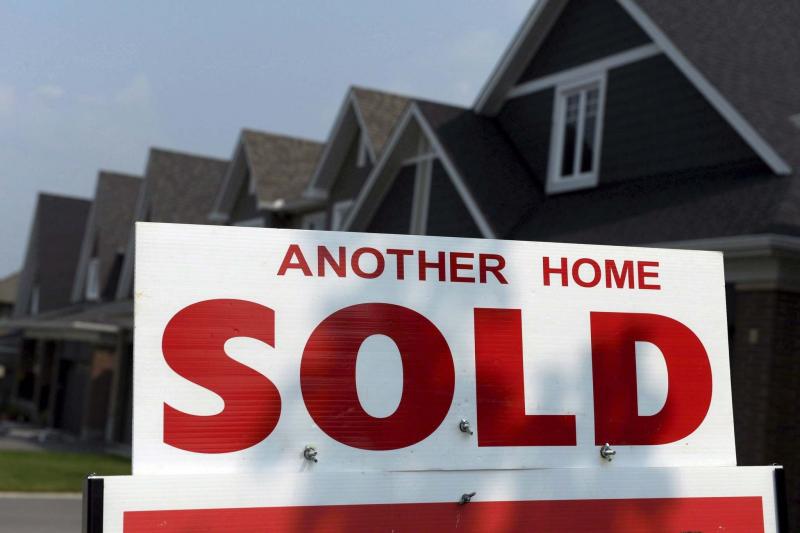
As reported here a couple of weeks ago, the city of Vancouver has implemented a new 15 per cent tax on foreign real estate investments. This was in response to runaway housing price escalation. There were reports of extremely marginal houses selling for over a million dollars. Houses were being purchased at premium prices, torn down and then resold at higher prices with a newer home built on site.
The premise behind the tax was that by curbing speculative investment, housing would become more affordable for full-time residents of the city.
So, what are the early results? Reaction appears swift.
Remember that a house that might sell for $500,000 would now have an additional $75,000 tacked onto the price. For a family that is immigrating to Canada to start a new life, that’s a lot of money. Even more than some other taxes because of the sudden magnitude, this can become a deal-breaker. There were instances reported of deals done before the Aug. 2 implementation date still being taxed because the paperwork wasn’t completely filed.
It’s too soon to tell what impact the tax might have on the resale market but all early indications are that transactions will be down considerably. Yes, the intended foreign investment decline was working, but it appears as though everyone else is taking a wait and see attitude too. The fear is that this tax is resulting in an unintended halt on the entire real estate market.
I particularly enjoyed reading Matt Elliot’s column in the Toronto Metro last week. It appears as though politicians in Toronto are looking at what is happening in Vancouver and envisioning what might be feasible in their city.
Elliot is quick to advise that any consideration of such a tax is frivolous. Blaming people from other countries for local problems is not a viable solution, he says. Given that foreign buyers represent less than 10 per cent of all purchases, one can’t blame them for 100 per cent of all affordability problems. After all, what’s to stop current local speculators from doing the exact same thing?
Blaming immigrant families or foreign investors for affordability problems would be almost as ridiculous as blaming the less than two per cent that new home buyers annually represent for all of a city’s infrastructure woes.
Instead of promoting and encouraging more taxes to solve housing shortages and affordability issues, Elliot recommends building more houses. It’s a simple supply and demand issue. Obviously, more people are looking for homes than are available.
Naturally, there needs to be careful planning and consultation, but it’s clear that more taxes only compound, not solve problems.
Mike Moore is president of the Manitoba Home Builders’ Association