Prevention is the best line of protection. Know how to protect yourself and your family from fire and from its related killer, carbon monoxide by following these steps:
Hunt for hazards
You may not be able to prevent every fire, but you can certainly prevent many. Take a tour of your house and garden, looking for and then removing potential hazards.
Check the kitchen, source of the highest percentage of home fires. Never leave a pot unattended, always double-check that stovetops and ovens have been turned off, keep stovetops clear, and don't wear loose clothing around stoves.
Never leave candles unattended or let them burn near flammable materials such as curtains. Position them in a non-flammable container to protect the surface below them.
Provide proper ashtrays -- butts dropped in flowerpots can smoulder for hours before setting peat moss alight.
Have fuel-burning appliances such as furnaces, fireplaces, wood stoves and water heaters checked and cleaned annually. Keep all materials, especially combustible ones, well away from them. Keep barbecues away from houses and combustible surfaces.
Remove all hazardous chemicals such as paint thinners and gasoline from indoor storage, especially from basements or near furnaces, etc. If you need to store them, use a metal cupboard in the garage. Also reassess your need for them. If possible, dispose of them: give them away, or take them to a hazardous waste collection point (city landfills and many fire stations).
Declutter your home, garage and yard, to remove obstacles to easy exits and to remove potential combustible material.
Be fire smart
This is especially valuable in areas where nature is close by, raising your risk from grass or forest fires.
Remove flammable trees and shrubs such as pine, spruce and juniper that are close to buildings. Aspen, poplar and birch are less flammable.
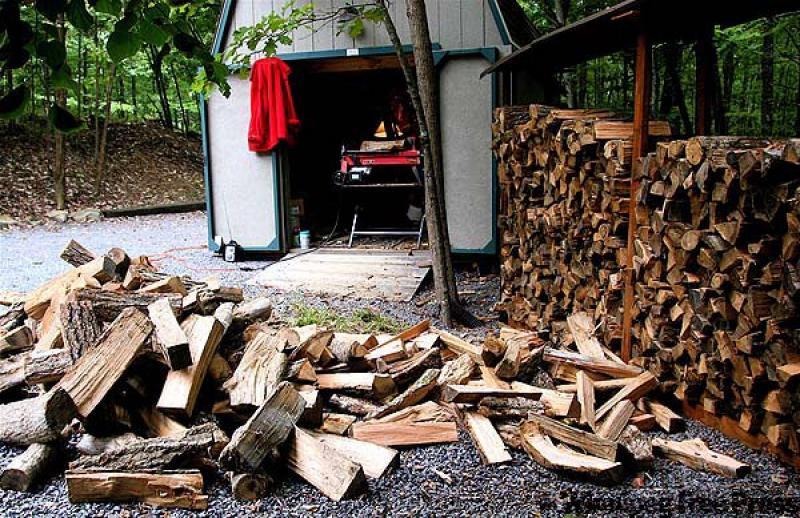
Remove deadfall or woodpiles, and store firewood well away from buildings.
Keep grass mowed and watered. If possible, lay crushed rock at the base of your house to prevent direct flame contact at ground level.
Keep leaves and evergreen needles away from roofs, decks, gutters and house foundations.
Prune shrubs, removing all dead branches.
Delimb large trees two to three metres from the ground.
Trim back branches hanging over your roof or touching your house.
Talk to your neighbours and help minimize their risks, which will help minimize yours.
Visit partnersinprotection.ab.ca for more information.
Do the paperwork
The time to check your insurance coverage and ensure that you're prepared to make a claim before a disaster happens -- not after. Whether you rent or own, ensure that you have adequate coverage for your home's contents. Base it on "full replacement value."
Check exclusions and limits: valuable items may need additional riders or policies to be fully covered.
To make a claim, you'll need records of the property you've lost. At the very least, film your home's contents and store the tape or file offsite. Consider compiling a written inventory of your home's contents with purchase and cost details, and serial numbers.
Store documents such as birth certificates, passports and mortgages either offsite (in a financial institution's safe deposit box, you can keep copies at home for your records) or in a fire-resistant container.
Ensure that you have up-to-date wills, living wills and powers of attorney for all adults in the family.
Be prepared
What would you do if you had to evacuate your home on short notice? Emergency preparedness experts advocate putting together a supply kit that will get you and your family (including pets) through the first 72 hours. There's more information at redcross.ca and getprepared.ca, but here's a snapshot of what you'll need. Store items in a backpack with wheels, close to an exit door.
Flashlight and batteries
Radio and batteries (replace batteries annually, or use a wind-up radio)
Toilet paper and personal supplies
Photocopies of important papers such as ID and personal documents
Canned food and bottled water (replace annually or as necessary)
Manual can opener
Change of clothes and shoes
Kids' supplies such as diapers
Blankets or sleeping bags
Extra car keys and cash
A whistle to attract attention
First-aid kit
Medication
Pet food and supplies
Ensure early detection
Smoke detectors save lives. Period. Here's everything you need to know to help them do their jobs.
Post-1997, new homes were required to have smoke detectors hard-wired into the electrical system. Check that you have at least one detector on every level. If they're hard-wired, check that they have a battery backup (for when the power goes out).
Add detectors as needed -- on every level, to protect sleeping areas and as battery backups.
When buying detectors, ensure they're CSA or ULC approved. Look for ones that detect fires with both ionization (quickly spreading, flaming fires) and photoelectric (smouldering fires) technology. Consider detectors that use a voice instead of a beep, as they may wake children more effectively.
Install detectors as per their instructions, for optimal detection and to reduce false alarms.
Test the detectors monthly by pushing their "test" button.
Clean the detectors annually by wiping the exterior with a damp cloth or vacuuming it with a brush attachment.
Replace the batteries annually.
Replace the detectors as required by their instructions -- at least every 10 years (write the purchase date on the inside).
First line of defence
Ensure that you have fire extinguishers on hand, and that you know how to use them.
Position fire extinguishers in every vulnerable room, including kitchens, workshops and garages. Ensure they're easily reachable (not, for example, stored where you'd have to reach over the stovetop to get at them).
Make sure they're all-purpose rated (e.g. A for paper and wood, B for grease and oil and C for electrical fires).
Store fire extinguishers upright and don't allow them to freeze.
If they're rechargeable, make sure they're recharged immediately after any use.
Use a fire extinguisher with the PASS technique: Pull the pin; Aim low at the base of the flames; Squeeze the handle;and Sweep from side to side.
Use an extinguisher only if the fire is small, you have a clear exit, everyone has evacuated and 911 has been called. Always stay between the fire and an exit.
The fire prevention guide was provided by the Calgary Fire Department.