Barbara Haddock Taylor / Tribune News Service files
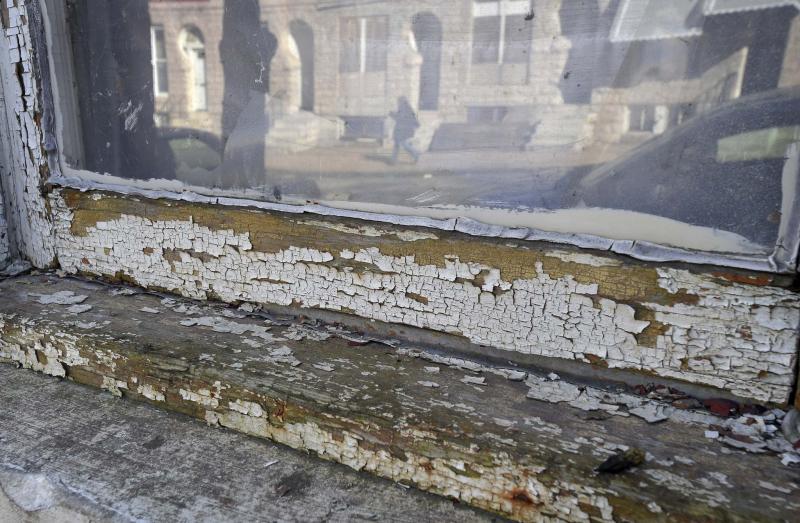
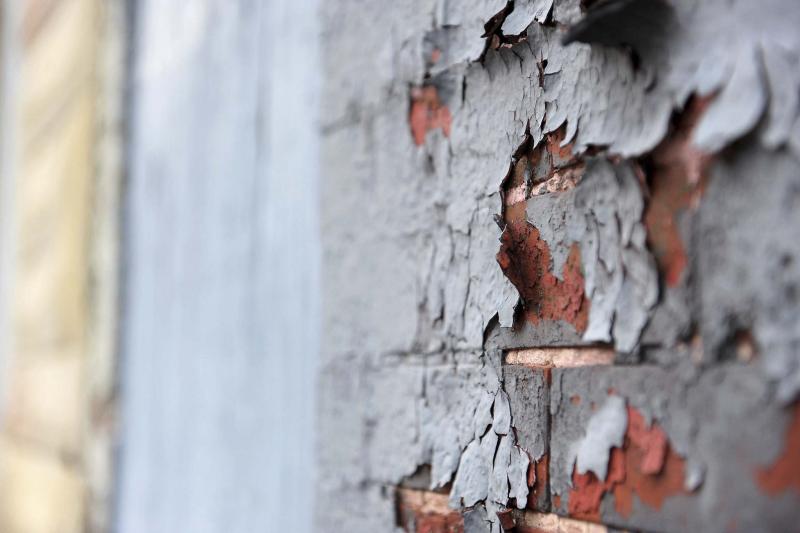
Lead-containing paint can be harmful, but stray chips on the ground outside your home will likely never have a chance to hurt you.
Question: I’m having the exterior of my house painted and don’t really know if the old paint contains lead.
The house was built in 1939 and has, of course, been painted many times since.
The current painters have power-washed the house and done other prep work and there are paint chips lying on the ground.
Are there any Winnipeg companies that provide a clean-up service for the chips?
Thanks.
— Maureen Taunton
Answer: Potentially hazardous components of building materials are present in many areas in our home, with varying degrees of danger involved with each. Your lead paint concern is one I would place in the less worrisome or hazardous category, simply because of the location of the issue.
There are numerous building materials or products in our homes containing hazardous or potentially toxic components. It seems like the number of these are increasing yearly, but the opposite is actually true. The reality is we are becoming more and more aware of these problematic materials as they are being discovered, disclosed and identified.
More frequent and sophisticated testing is now available for everything from various types of insulation to indoor air samples. Also, government agencies, various organizations and enterprising business people are doing a better job of getting the information out to homeowners via various media channels.
One thing I find is often lacking in a lot of this important health and safety information is an idea of the scale of potential danger associated with the various hazardous materials. While there is an abundance of material to describe the location of these items, the associated risks and proper prevention methods for contamination, there is little to show relative degrees of danger between the various health hazards. For example, I have read countless times that radon gas is the second-highest cause of lung cancer next to tobacco, but not much about the relationship between high radon levels in homes and the frequency of lung cancer occurring in the occupants. Also, what is the likelihood of serious illness occurring from limited exposure to asbestos in our homes? Unfortunately, this information is not often available because of a lack of research or direct evidence-based data and statistics.
So, should we treat every hazard as serious regardless of the chances of it making us sick? My suggestion is to learn as much as we can about the hazards and take appropriate action to prevent ingesting or inhaling any serious contaminants. But we should also avoid overreacting to products that are know to be dangerous, but that have almost no chance of getting into our bodies. I commend you for exploring the issue with lead in the paint chips, but your concern may fall into the category of too harmless to worry about.
The main issue with lead-containing paints is the possibility of ingestion by either adults renovating homes or small children actually eating the paint. Prior to the ban on adding lead to household paints several decades ago, many standard paints contained a significant amount of lead. It was added to give strength and durability to the paint, especially older oil-based products. The issue arose near the middle of the last century when the dangers of lead poisoning became well known to the medical community.
Research showed children were particularly susceptible to serious health issues from excessive ingestion of lead, whether from paint, contaminated fish, water or other sources. It was thought one of the areas of risk for very young children was the lead paint in our homes. Because older homes with plaster walls were known to crack, chip or become easily damaged from physical contact, small pieces of paint could become dislodged and fall to the floor. Also, small chunks of painted plaster that come loose from damage or movement could wind up on the floor, as well. Very small children and toddlers are commonly putting things into their mouths, especially when teething, potentially ingesting the lead-containing paint. Because small kids spend a lot of time crawling or sitting on the floor, they may be quite likely to pick up and eat material that goes undetected, even by the most careful parents.
While your concern may be well founded regarding the interior paint in your home if you have small children, it may not be an issue if your family are all beyond the toddler stage. Also, because the paint is on the outside of the home, even if you have small kids, it is unlikely they will be spending much time crawling around in the yard directly outside the walls. Also, any excess paint chips that fall onto your lawn will eventually be sucked up into a lawn mower or covered with soil or debris and difficult for small kids to pick up.
The next issue regarding lead paint is the possibility of inhaling it during renovations. This is primarily a problem if the paint is burned off the home with a torch or heat gun, as the fumes released could contain lead. It is also problematic if there is excessive sanding done by the painters, which can send easily inhalable dust into the air. Both of those problems can be easily solved by ensuring the painters wear proper respirators for breathing protection if they are burning or sanding the old paint. The final issue may be pets — particularly dogs — eating the fallen paint chips. Again, a thorough lawn mowing or raking before allowing them to run around the yard may keep them from harm.
While the older paint on your home may contain a significant amount of lead, the loose chips released outside during repainting may be a very minor concern. There may be little chance of anyone ingesting the actual pieces of paint, even small kids, before they are mowed up with the grass or covered with yard litter.
Ari Marantz is the owner of Trained Eye Home Inspection Ltd. and the past president of the Canadian Association of Home & Property Inspectors — Manitoba (cahpi.mb.ca). Questions can be emailed to the address below. Ari can be reached at 204-291-5358 or check out his website at trainedeye.ca.
trainedeye@iname.com