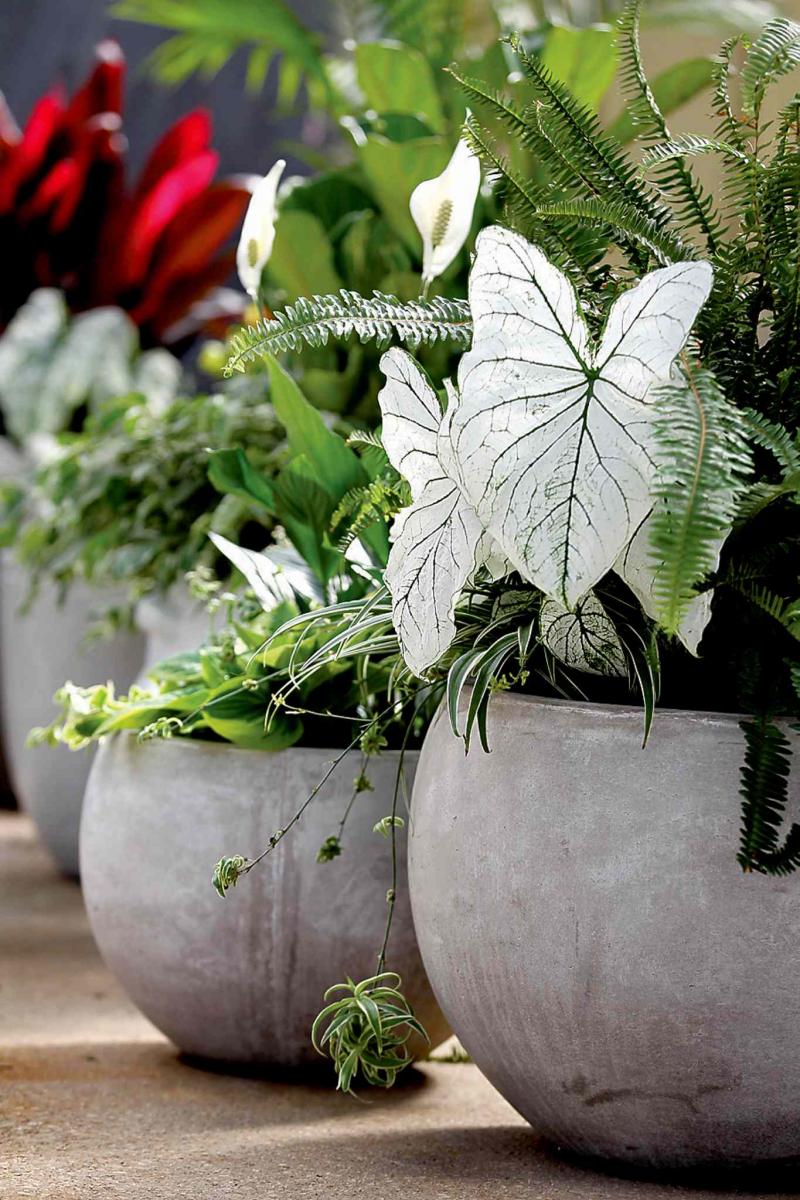

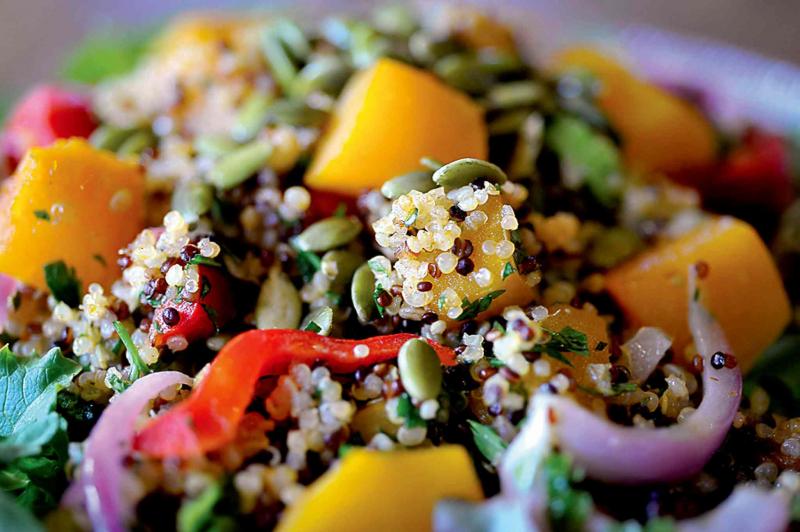
Recipes are fun to read. Whether it's a recipe for filling a container design with an eye-catching combination of flowering annuals, or a mouth-watering recipe that calls for only the freshest of ingredients, we're drawn in with anticipation for the possibilities of what we can create.
Whet your appetite for this season's most imaginative mixed container designs that marry delicious flavours with beautiful blooms and foliage.
If you've had to eat your mistakes when a variety you seeded ended up not meeting your expectations or if you simply don't have the time or patience to start your own seeds, there's someone else willing to do it for you.
Vanstone Nurseries, a family-owned wholesale nursery in Portage la Prairie, launches its new Fresh collection across the Prairies and northern Ontario this spring. Owen Vanstone says today's discerning consumer wants to know where their food comes from and how it was grown.
With a wide-ranging selection of premium herbs and vegetable plants, some familiar, some new and unusual, Vanstone says their goal is to help the gardener enjoy success.
"We've picked varieties that we know are going to work," says Vanstone who adds that developments in vegetable breeding have resulted in improvement of nutritional character and greater resistance to pests and diseases.
Although the Fresh collection is not certified organic, all edibles in Vanstone's program are grown from non-GMO seed and are pesticide-free. Vanstone Nurseries isn't just dipping its toe into the exploding trend of homegrown produce.
While Vanstone's entry into the edibles market will mainly have emphasis on potted tomato and pepper varieties, together with a wider ranging variety of herbs, the goal is to also provide homeowners with all the information they need to grow plants in patio containers or backyard veggie plots.
Their new investment includes detailed plant tags and a new website (freshplants.ca), with growing information as well as recipes.
Mix-and-match choices include cut-and-come-again salad greens such as Alfresco Mix with the Mediterranean flavours of red and green leaf lettuces such as arugula, endive and radicchio for enjoying all summer long with repeat harvests.
Herbs are beautiful complements to flowering annuals, providing unique texture, colour and scent. The new herb line includes 13 different varieties of basil, including African Blue with a sweet camphor scent and purplish-blue flower spikes and Emerald Frills and Ruby Frills with their distinctive ruffled foliage and spicy flavour.
Dressing up your container designs with herbs adds a practical element beyond the prospect of snipping and drying them for your favourite recipes. Herbs have long been used by gardeners as a natural deterrent for pests. Oregano, for example, can be planted next to squash and cucumbers to keep away squash bugs and beetles.
The volatile oils in basil help to repel pests such as thrips, making it a good companion for tomatoes. Catnip (Nepeta cataria) is particularly effective at deterring flea beetles, squash bugs and ants. And cats, too. A variety called Lemony catnip has medicinal benefits for people, acting as a sedative when it is infused into tea just before bedtime.
Monarda, a perennial numbering numerous hardy cultivars, identifies itself as an herb with its strong spicy scent that makes it an ideal plant for the perennial border. An excellent substitute for marjoram or oregano when the above ground or aerial parts are dried and then coarsely ground, monarda is also said to promote good digestion.
An exciting new monarda variety for 2015 is the new compact and early flowering (June to July) Balmy series from Darwin, with colours ranging from lilac to purple and pink or rose. At only 15 to 30 cm tall, this new dwarf series has excellent resistance to mildew.
Another new introduction, Cherry Pops monarda, part of the Sugar Buzz series, is taller at 50 cm. Monarda thrives in full sun but can also be grown in partial shade.
Apart from its culinary value, monarda, also known as bee balm or bergamot, has an added bonus: Deer and rabbits don't like its taste.
Spicing up patio containers with a mix of veggies, herbs, and flowering annuals adds a new dimension to gardening in small spaces. If you have the advantage of more space to work with, why not reinvent the traditional veggie garden by transforming it into your own private potager.
Pronounced puh-ta-zhay, it simply refers to a kitchen garden, that practical and ancient remnant where the keeper of the stove, or open fire if you will, sourced fresh cooking ingredients consisting of herbs, vegetables, fruits and edible flowers.
With origins in French gardens, from the humblest to the most spectacularly defined, the addition of a backyard potager would make any visitor envious. Count me among them.
Design basics are fairly standard. Select a sunny, open, square-shaped space on a level part of the landscape. The size can be as small as you would like or as large as you are able to maintain.
Remove any grass or weeds and prepare the soil by adding organic matter that includes finished compost, well-rotted manure and shredded leaves, incorporating it evenly into the top layer of soil.
Your design can consist of plantings in neat and functional rows or criss-cross the square in the shape of an x or it can be more reminiscent of a parterre with its classic central focal point such as a bird bath.
The most identifying characteristic of the potager, apart from the culinary aspect, is the hedge that surrounds the outer perimeter. If your creativity knows no bounds, a vine-covered arbour can serve as the central entrance to your very own kitchen garden.
I visualize a delicious layered outer hedge consisting first of the green foliage of English thyme (25 cm), excellent for soups, poultry and sauces, planted next to an inner row of robust Pineapple sage (50 cm) with its fabulous pineapple scent and brilliant red flowers.
Understanding the moisture requirements of individual plants as well as when and how to harvest your herbs and veggies is just as important as any plant arrangement. Tomatoes, for example, such as Rapunzel, with its cascading trusses of cherry tomatoes, each with up to 40 tomatoes, require rich, moist soil.
Do not allow tomato plants to go from dry, parched conditions to wet and soggy as this stresses fruit production. Vanstone says sheep manure is an excellent source of nutrition for tomatoes and vegetables in general.
Plant lettuce early and keep cool for best results. Periods of high heat can cause some bitterness in the leaves of salad greens. Vanstone says planting out again when temperatures cool allows for a late season harvest of fresh lettuce right up until frost.
Well-drained soil and plenty of warmth is essential for growing peppers. Plant in a full-sun location where plants will receive up to six hours of sunlight.
Timing is important when harvesting herbs. Optimize flavour and aroma by snipping when plants are actively growing but just before they blossom. Tender stems are less bruised when cutting is done with a pair of small, sharp and well-maintained garden scissors for a clean, neat cut.
The best time of day to harvest is in the early morning. Wait until the dew has dried on plants. Plants that are not being used immediately in cooking can be dried in a variety of ways. There's a lack of agreement on whether to wash them first, but ensure that loose soil or any grit is removed. Washed herbs can also be placed in plastic freezer bags and frozen directly.
Bundles of freshly picked herbs that are no more than 10 cm thick can be tied with string and hung upside down to dry in a cool dark place away from any sunshine for about two weeks.
With growers making it easier to grow and harvest your own homegrown edibles, expect to see a larger selection than ever of ready-to-grow herbs and veggies at your local garden centre.
Remember, most edibles are tender plants. Plant outdoors into the garden once all risk of frost has passed. Portable container designs, though, are easily moved into a protected location when temperatures dip.
colleenizacharias@gmail.com
Notice:
Mother's Day Plant Sale, May 10 at CMU North Campus. Starts at 9 a.m. Tickets for Tea $15. Visit www.gardensmanitoba.com for more details.
Recipe for Vanstone's Quinoa Salad
In 500 ml water, cook 250 ml quinoa with 3 ml salt. Cook until water is absorbed. Set aside and chill or use hot if preferred.
Add the following ingredients:
� chopped Nikita or Admiral sweet bell pepper
2 or 3 chopped Supremo tomatoes
� tin of black beans, drained and rinsed
Small tin of whole corn kernels (or fresh off the cob if available)
50 ml onion chives (substitute chopped red onion for stronger taste)
50 ml chopped cilantro
1 medium cucumber
1 chopped avocado (optional)
Dressing:
Whisk together 50 ml olive oil, 45 ml lime or lemon juice, 5 to 10 ml cumin, 1 to 2 cloves of garlic (minced), and 2 ml red pepper flakes (optional). Salt to taste.
Toss with quinoa and serve.