A recent column on the proliferation of creeping bellflower and other weeds such as purple loosestrife prompted a concerned reader to call me this this week about another pretty, pervasive plant invading her neighbourhood.
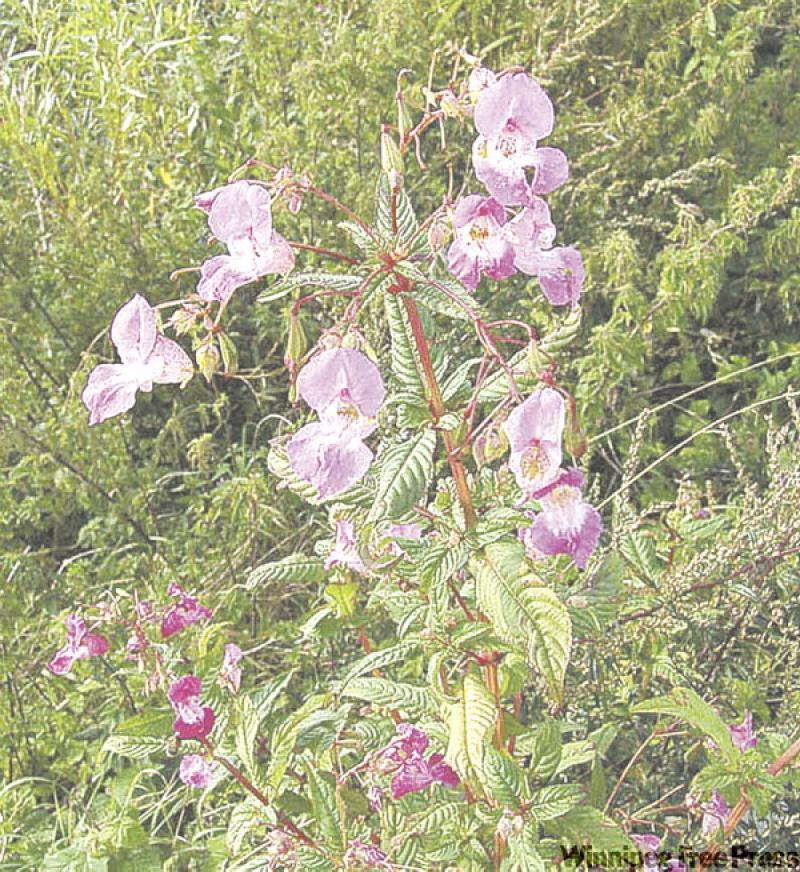
A few doors down someone has been growing impatiens glandulifera, also known as Himalayan impatiens, policeman's helmet, poor man's orchid, Indian balsam, Indian touch-me-not and jewelweed. These aggressive annuals have been self-seeding themselves throughout adjacent yards with wild abandon and have become a nuisance.
It's been called the Pink Peril because, like other impatiens, it ejects seeds (up to 2,500 per plant) from exploding pods to distances of about five metres. These seeds also float and can travel along and across waterways, populating new areas. They remain viable for 18 months and germinate readily after a brief cold spell to break dormancy, even in water. In some communities swiftly spreading stands of impatiens glandulifera are naturalizing along waterways and wetland habitats, jeopardizing the delicate ecological balance by overtaking native vegetation.
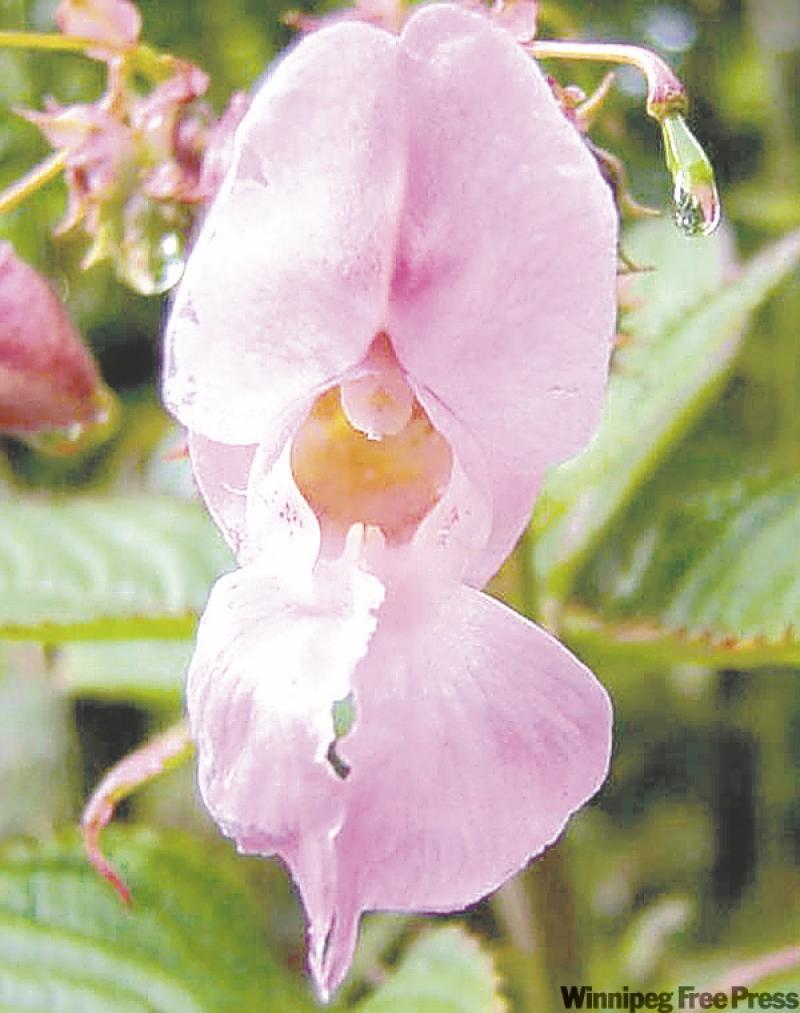
Himalayan impatiens is distinctive, with long, slender, serrated leaves in whorls of three on three-metre tall, hollow, sturdy stems that are loaded with sap, attracting and supporting large numbers of aphids and aphid-farming ants. Fragrant white, pale pink, red or purple orchid-like flowers are profuse in mid-to-late summer, followed by the ripe seed pods.
Worldwide, biologists and environmentalists fear the potential impact of this weed is more serious than the havoc created by purple loosestrife. Gardeners should decide whether this plant indeed deserves a place in our gardens. In the U.K., some local wildlife organizations hold "balsam bashing" events to help control its spread.
Those gardeners who decide to continue growing Himalayan impatiens should curb its spread by preventing it from setting seed. The plant has a tiny root structure so it is very easy to pull by hand, but throwing the waste in the compost or garbage is not appropriate, as the seeds can survive the composting process.
***
Dear Linda:
I am hoping you can provide me with some information on the mushrooms that grow in some of my house plants.
The problem began a couple of years ago when I purchased some new soil with an added moisture booster from a local nursery. I first noticed a green fuzzy covering over the soil of the plants I potted with it. Then I began to see mushrooms like those in the attached picture (you can also see the green fuzz in the photo). They are a brilliant yellow with a green cast - almost look radioactive in colour. Their mature size is two to three inches tall and their open shape is similar to a shitake mushroom but not as large. I took a mushroom to the nursery but they couldn't tell me what it was and suggested it might be caused by the moisture booster added to the soil.
I took all the affected plants and removed all of the soil I could and replanted them in regular potting soil. The green fuzz came back but to a lesser degree and there were no mushrooms. About six weeks ago I bought some regular soil from the same nursery to top up the soil in some of my plants. The green fuzz increased and now I have mushrooms again.
Do you have any idea what is causing this and how I might get rid of it for good?
---- Joanne
You've got a little crop of mushrooms called the flower pot parasol or leucocoprinus birnbaumii, which are commonly found worldwide growing in potted plants, potting soils, and outdoors, particularly if the soil is warm and consistently moist. In addition to the fungi, the fuzzy mould growing on the surface of the soil indicates you are probably overwatering and the moisture-booster in the potting soil is contributing to the soggy soil condition. This is probably more serious than the presence of the mushrooms, as root rot can result.
If you want to get rid of the mushrooms, you should replace the soil, which may or may not be practical. You can continually pick out and discard the mushrooms before they mature and spread their spores.
The mushrooms won't endanger your plants and unless you or your pets eat them, they shouldn't do any harm. Cut back on the watering and sprinkle a little garden sulphur or fungicide on the soil surface to keep the mould in check and keep an eye on the pots for new fungi. That might do the trick.
linda.stilkowski@freepress.mb.ca
Events:
The Friends of the Assiniboine Park Conservatory Annual Fall Plant Sale
September 19, 9 a.m. to 4 p.m. at Canadian Mennonite University, Great Hall, 500 Shaftesbury Blvd. Special tulips, peonies and perennials for sale.
Herb Society of Manitoba
Monday, September 21, at 7p.m. Assiniboine Park Conservatory.
Guest Speaker: Dorothy Dobbie. Topic: Gardening with Herbs.
Admission: Members-free, Non-members- $ 5. Memberships available. For More Information Phone (204) 669-7750 or go to: www.herbsocietymb.com
Art in the Garden
September 26 and 27 from noon-3 p.m. at the Friends Gift Shop at the Conservatory. Come see the work of Murray Watson, wood carver, photographers Avril Lane, Karen Johnson and others. There will also be refreshments, centerpiece demos and gift with purchase. Visit the website for more details: www.friendsconservatory.com or phone 885-0060.