If you left the stalks standing on most of your herbaceous perennials over the winter, it's easy enough to head outdoors one fine spring afternoon to cut them down to the ground. The newly cut stems are likely to see a few more dustings of snow but it's a nice feeling to restore some order to the perennial bed. At this time of year you can even decide to leave this chore for another day.
How long can you procrastinate, though, when it comes to pruning shrubs? Often a task that gets put off each fall and then again in spring, pruning shrubs seems more daunting than cutting down perennials, demanding a degree of finesse or skill that many of us fear we could be lacking.
How hard can it be and what is the worst thing that could happen if we prune a particular shrub at a time other than what is generally recommended?
To answer the first part of the question, the level of difficulty can depend on when the shrub was last pruned. If it is a sprawling deciduous shrub that has been blocking a view or crowding out neighbouring plants for some time without ever having come in contact with a pair of secateurs or lopping shears, then replacement may seem like a good idea.
Digging up a stubborn root ball, though, in order to toss out the offending shrub to make room for a fresh, new one in all its uncomplicated glory may seem less effort than trying to figure out where to begin pruning a woody, tangled maze of branches.
Restoring good form and manageable size, however, to an otherwise healthy shrub is both worthwhile and doable.
It helps if you kept the tag that came with the plant.
Jane Seniw, a Garson-area licensed arborist (treelady@mts.net), says that plant identification and growth characteristics are key to understanding how to approach any pruning task. One solution if you are not sure as to the type of shrub you have is to go through a catalogue from a reputable online source such as www.jeffriesnurseries.com.
Seniw says that timing can be everything when it comes to pruning flowering shrubs but so often it is an afterthought. The worst that can happen, though, if swelling flower buds are snipped off precipitously, is a season of bloom will be lost. The plant will recover to bloom again next season.
Timing, says Seniw, is important, depending on the extent of renovation you are planning. She emphasizes there are two main windows of opportunity for major renewal, spring and fall.
Does the shrub need to be pruned all at once? Seniw suggests instant results may not always be possible but success can be achieved with judicious pruning over two or three seasons. Stems, for example, can be cut back by one-third the first year, another third the next year and the remainder in the third year.
Sometimes drastic pruning is a necessity even if the timing is not ideal.
Matt Vinet is an ISA certified arborist with Green Drop (mvinet@greendrop.com). Vinet says that some shrubs, such as caragana, respond well to heavy pruning.
Sometimes a shrub is used for the purposes of screening or division between two properties. Homeowners can be horrified, says Vinet, at the thought of losing a privacy screen, no matter how temporary, when a hedge must be cut back.
"It's all about what you can stand," says Vinet. "If the shrub is 80 per cent dead wood, you probably can't stand that either, so bite the bullet!"
Vinet says that once shrubs reach a certain age a significant amount of energy can be expended on maintaining deadwood - energy that should be directed to maintaining healthy growth.
Renewal pruning done on a yearly basis is always easier than contemplating drastic size reduction although there are also ways to reduce size without doing anything drastic.
Below are some recommendations for pruning and maintaining a natural yet manageable form for some of the most common shrubs.
Barberry (Berberis)
Undeterred by barberry's sharp thorns, hungry rabbits sometimes do the pruning for us. Herbivores, rabbits are equipped with large front teeth called incisors that help them to grind down woody stems. Barberries respond well, fortunately, to severe pruning. So in this case don't be too worried about how far down to cut. Clean up any chewed tips. Broken and dead branches should be removed as soon as possible and this, says Seniw and Vinet, should be done at any time of year on all shrubs.
Hydrangea (Hydrangea)
Vinet says hydrangeas, particularly the paniculata varieties, usually pose no difficulty in pruning. Not sure which type you have? If the flower is cone or panicle-shaped, you can be certain it is a paniculata. Examples include Limelight, Little Lamb, Pinky Winky, and Quick Fire.
Wait for the third year before shaping newly installed hydrangea shrubs other than removing dried spent blooms and any dead branches. Once the plant is mature, it can be cut back by one-third or one-half in the early spring before the leaves open without affecting bloom production.
If, at some point, bloom production slows or the shrub's form needs to be improved, paniculata hydrangeas can be cut down almost to the ground in the early spring. The new healthy growth results in larger, more prolific blooms.
Some of the repeat blooming hydrangeas, such as the Endless Summer series, are macrophylla type hydrangeas. These have round mophead flowers that bloom on old wood and new wood. This means that flower buds were set in the previous season and untimely spring pruning results in the plant failing to produce summer flowers.
A light trimming and removal of blooms immediately after flowering is all that is needed.
Hydrangea arborescens varieties such as Annabelle, Incrediball, and Invincibelle, should be pruned back in late winter or early spring. This encourages new growth which will produce summer's flowers.
Lilac (Syringa)
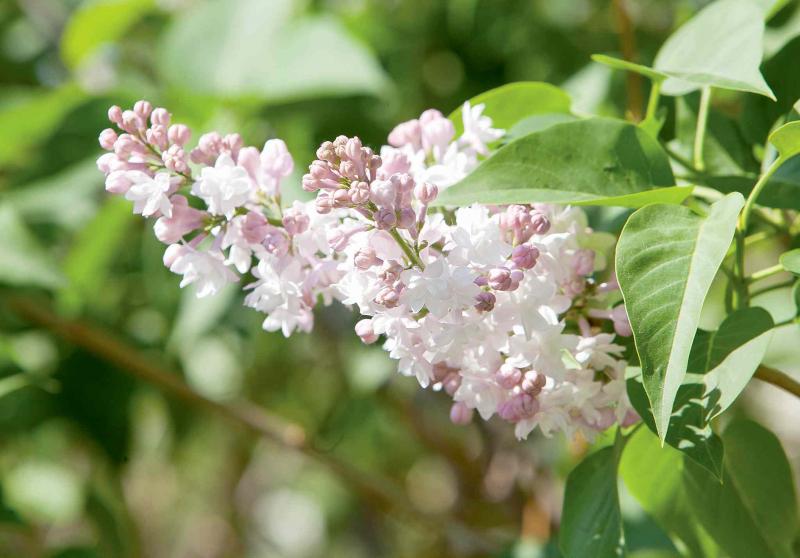
All types of lilac are so lovely and delicate at time of purchase. Over time some varieties grow into imposing, impenetrable beasts. Siting plants in a location that accommodates its natural growth results in the healthiest plant. Continually shearing a lilac to reduce its size stresses both the plant and the homeowner.
Seniw reminds homeowners that nothing in Mother Nature grows in a straight line.
The buds of lilacs have already started to swell so any pruning will remove the chance of flowers. Seniw suggests thinning lilacs in early spring before flowering or growth starts. Missed that opportunity? Maximize next season's blooms by pruning out any deadwood or scrappy looking twigs or branches that have only one bud. Remove flowers after they have faded.
Mockorange (Philadelphus)
Beloved for its fragrant spring blossoms, mockorange can easily become overgrown and untidy if it is not pruned regularly or at least every few years.
Flowers are produced on the previous year's growth. To ensure next year's flowers, prune immediately after flowers have bloomed.
You simply must cut it back because of unmanageable size? Vinet says mockorange responds well to drastic rejuvenation. Even if a season's worth of blooms must be sacrificed, a plant that has become woody benefits from the removal of older canes to allow increased sunlight and air into the center of the plant.
Ninebark (Physocarpus)
Diablo ninebark can be a devil of a shrub, growing to a height of more than 2.5 meters. Seniw shares a tip for reducing the overall height without performing major shearing that can disrupt the plant's hormone process.
"Select the tallest branch," says Seniw, "and remove it at ground level." This helps to reduce some of the overall height and improves air circulation, particularly important in the case of ninebark shrubs, which can be prone to powdery mildew.
"Step back," says Seniw, "and look at the shrub from all angles before selecting the next branch to remove at ground level."
Seniw also advises against raising the skirt of shrubs.
Spirea (Spiraea)
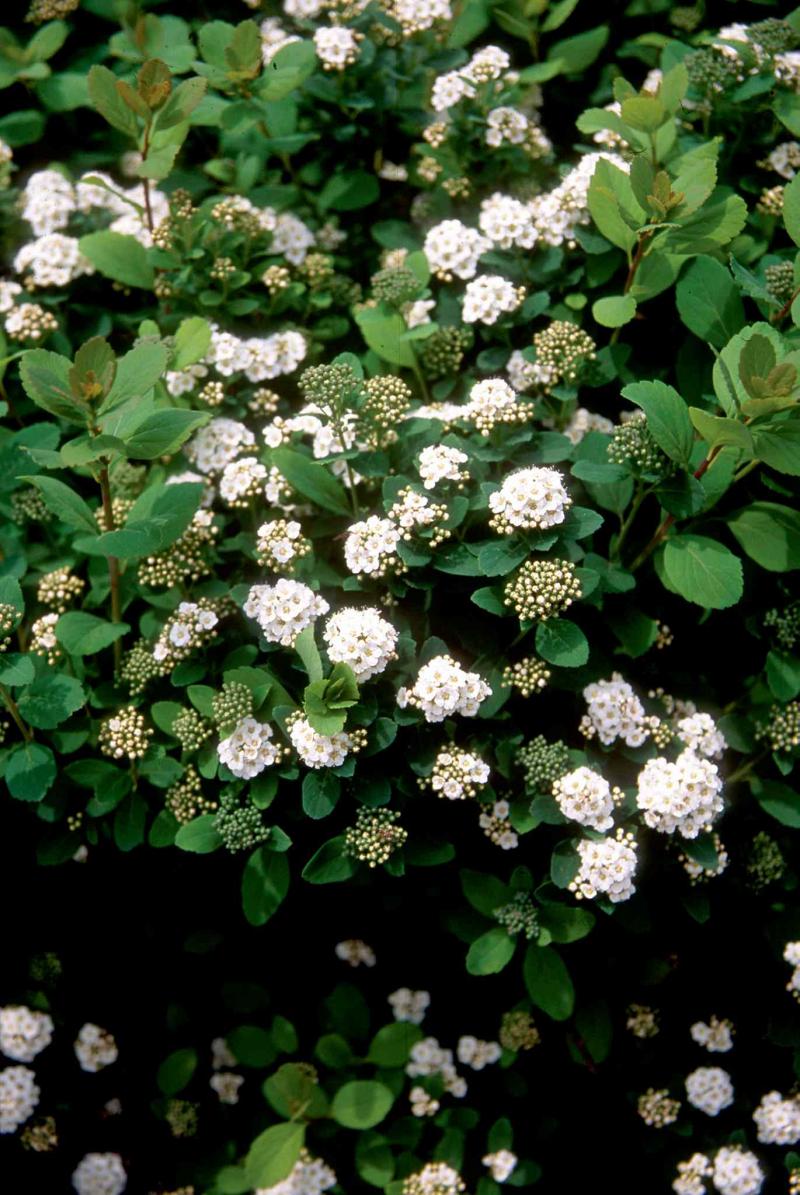
How can something so small grow into such a twiggy mess? Spirea does not age gracefully without some rejuvenation or thinning. Vinet says thinning works wonders on spirea but so does the occasional cutting back by one-half or even more.
Vinet recommends that the homeowner remove stems that are crossing or rubbing against one another as these can become damaged, opening the shrub to disease.
Remove any suckers at the base of the stem.
colleenizacharias@gmail.com