
Have you ever wondered about the origins of the poinsettia and what it takes to produce this beautiful Christmas plant that has become synonymous with our annual holiday traditions?
The poinsettia originated from South America where it can reach up to 10 feet in height growing in the wild. The ancient Aztecs made practical use of the poinsettia for dyes and medicine. Joel Poinsett, who had a personal interest in botany, discovered the plant in the 1820's while touring as the United States Ambassador of Mexico. He sent some plants home to his South Carolina greenhouses for propagation where the development of the plant we now call the poinsettia had its beginnings.
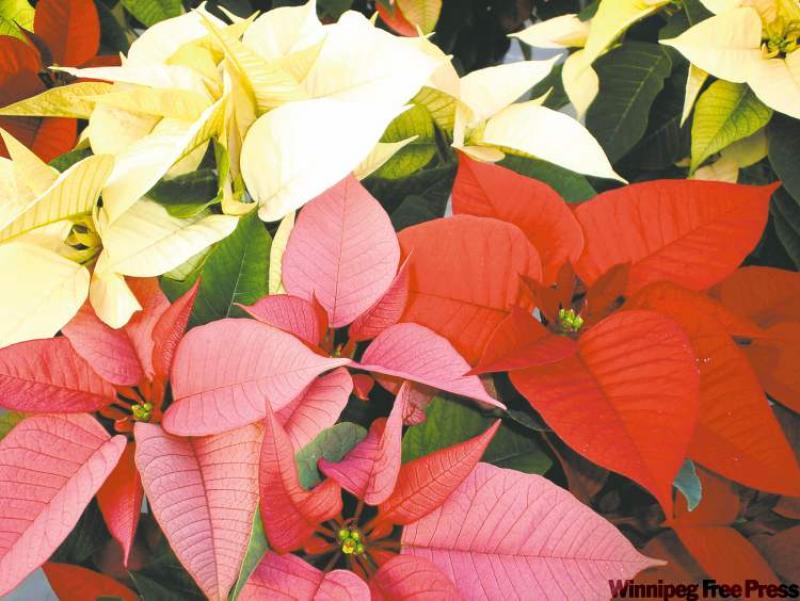
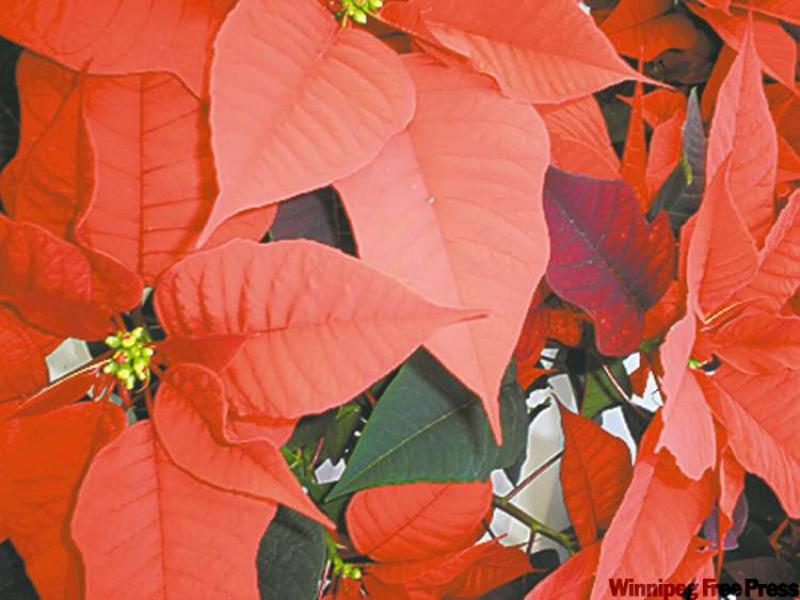
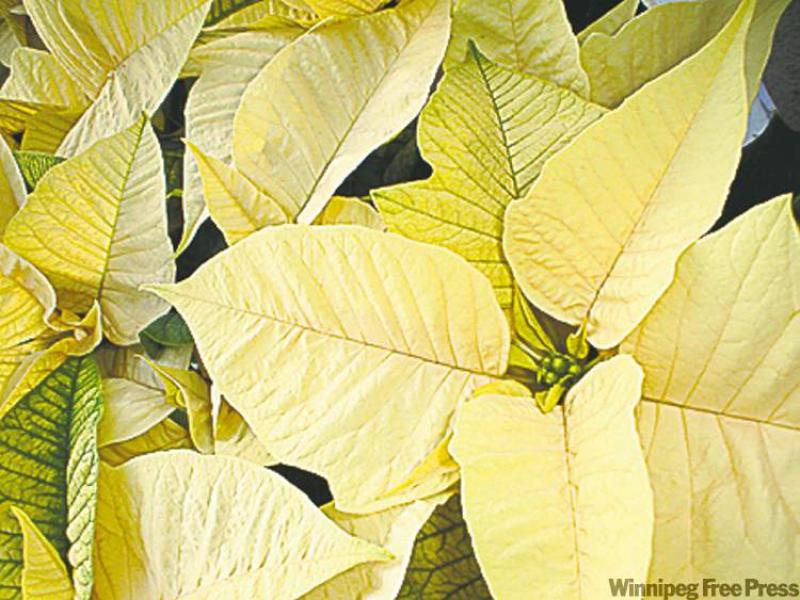
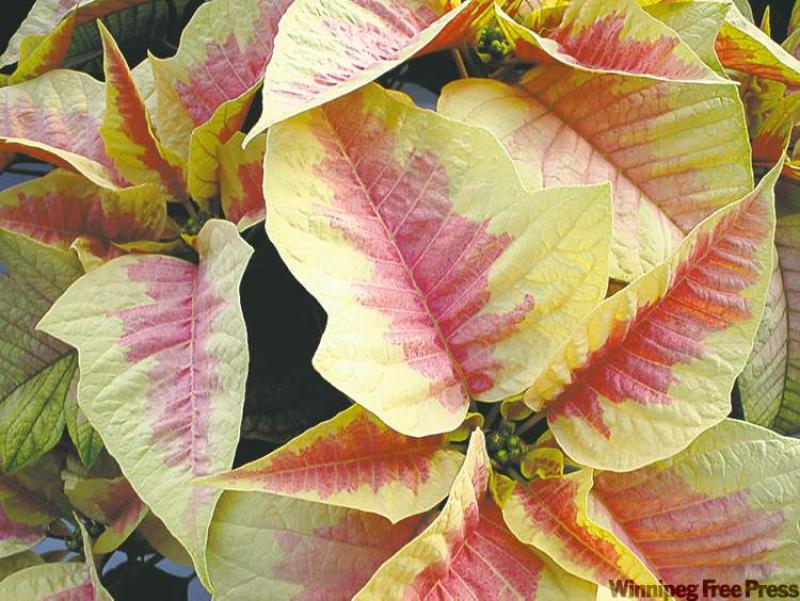
At the turn of the nineteenth century the poinsettia was only a cut-flower novelty but by the 1950s it replaced the rose as the plant most associated with North America's Christmas holiday tradition. Today there are more than a hundred varieties to choose from with colours ranging from red, white, pink, marble, candy cane and even plaid.
Many are surprised to hear that growers bring in and start their poinsettia crop as early as late July. In the Shelmerdine greenhouse, for example, the poinsettia crop is by far the longest house guest we have, staying in total almost five months under cover as compared to our annual crop which sometimes is only in the greenhouse for as little as two months.
We bring in our crop as rooted cuttings or clones and plant them immediately into their finished sized container. In some cases, larger-sized containers such as an eight-inch pot and up will get multiple cuttings planted in order to ensure plenty of colourful bracts (the colorful portion of the plant often mistaken for as the flower). The plants are then given time to root out into these containers normally taking about two to three weeks. At this point we pinch the crop -- remove the top portion of growth off each plant encouraging them to branch out and become multi-stemmed. The height at which we pinch and when is very important to the end product for a couple of reasons: it isn't so much the height of the pinch but rather the number of internodes or sets of leaves that are left behind after the pinch. Each internode forms a new shoot or growing tip after pinching. Each tip will then have a bract and in turn a flower. In theory if we leave behind six to eight internodes on a plant after pinch we should develop six to eight on that particular plant. The more plants per pot translate into more bracts or blooms per pot.
You might be wondering why the timing is so critical. The poinsettia reacts to the short days that we start to get in the fall and as a result is triggered into initiating its flower development. This happens on or about Sept. 25 each year. When the plant starts to initiate flowers, our days become numbered in regards to how much time we have for the plant to grow in height. Simply put, if we pinch too early the plants will be too tall and if we pinch too late the plants will be too short.
To aid us in judging the rate of growth we graph the height progress of the plants. Each week we measure a select few samples to ensure that we are on track to meet our height expectations. A perfect poinsettia in a 6.5-inch container will be 14 to 16 inches tall and have six to eight flowers. By making adjustments to the day and night temperatures, giving the plants more or less space, feeding them different levels of fertilizer or using plant growth regulators we can speed up or slow down the growth of the crop.
At home, a few tips to extend the life of your poinsettia include carefully choosing the right location and providing the correct amount of water. Place in a bright location with about six hours of indirect, natural daylight. Don't place the plant too close to a drafty door or window nor do you want it near a heat register which can dry it out very quickly. By far the easiest way to damage a poinsettia is to give it too little or too much water. Poinsettias should be watered when the soil feels almost dry to the touch. With practice this can also be judged by the weight of the plant.
When you do water, it is best to remove the pot cover, place the plant in the sink and water it thoroughly until water freely pours through the drainage holes at the bottom of the pot. Let the plant drip dry for several minutes before replacing the pot cover. Under normal room temperatures the plant should be good for well over a week before it will need to be watered again.
With these basic tips you can now enjoy your special Christmas plant long into the New Year.
Chad Labbe is vice-president of Shelmerdine Garden Centre in Winnipeg.