Consider the issue of chemical pesticides. Most Prairie gardeners are aware of their negative impact on our environment.
The majority of insecticides are broad-based rather than specific. They target the "good guys" as well as the pests, upsetting the natural balance of pest, predator and parasites that would normally exist in our landscapes. Many are toxic to pets and people. They can enter our food web and our ground water.
As well, insects and diseases have a remarkable capacity for adaptation and often develop resistance to these products, rendering them ineffective.
As gardeners, we want to create a pleasing outdoor environment. We may also feel pressure from our neighbours or by the persuasive and pervasive marketing of the manufacturers of these products to have an immaculate lawn and garden. But our gardens are not our living rooms. We should accept some bumps on leaves. Our objectives in managing pests in our gardens should be to gain a satisfactory level of control with the least harm to the environment and the least risk to our families, neighbours and pets.
So how does one achieve the goal of beauty in our landscape without resorting to broad-spectrum chemical pesticides that can also have negative impacts on our health and environment? Begin by simply resolving to reduce their use for this season, and as it works, take the concept further.
Here are some strategies:
-- Keep plants healthy. Like people, healthy plants are less vulnerable to disease. Provide optimal spacing. Give them the water and exposure (sun/shade) under which they'll thrive. Ensure adequate fertility, but do not over-fertilize, especially with nitrogen that causes lush succulent growth vulnerable to insect and disease attack.
-- Water early in the day so foliage dries quickly. Where possible, use drip irrigation or soaker hoses to avoid wetting the foliage.
-- Use an organic mulch to conserve moisture, moderate soil temperatures, control the germination of weed seedlings, and prevent the splash of soil-borne disease organisms onto plants.
-- Use resistant varieties. Choosing insect and disease resistant or tolerant varieties is such an easy way to avoid problems. Plant breeders have worked long and diligently to select these plants, so let's take advantage of their work and use them. 'Thunderchild' and 'Dolgo' crabapples are resistant to fireblight. 'Dropmore' linden is resistant to the leaf gall mite that causes the little bumps on linden and basswood leaves. 'Discovery' elm is resistant to Dutch elm disease.
Tomatoes with resistance to late blight include 'Defiant', 'Red Grape' and 'Duchess.' Potato varieties less susceptible to late blight include 'Red Pontiac', 'Red Norland', 'Kennebec' and 'Norland.' The Russian hollyhock (Alcea rugosa) is resistant to hollyhock rust, while the fan columbine (Aquilegia flabellata) is resistant to the columbine leaf miner.
-- Use traps and barriers. Yellow sticky traps attract whiteflies, aphids and fungus gnats while blue sticky traps attract thrips. Tree bands painted with Tanglefoot can be used to capture wingless female cankerworms as they climb up trees to lay their eggs. Red traps shaped like apples are used to attract apple maggot flies.
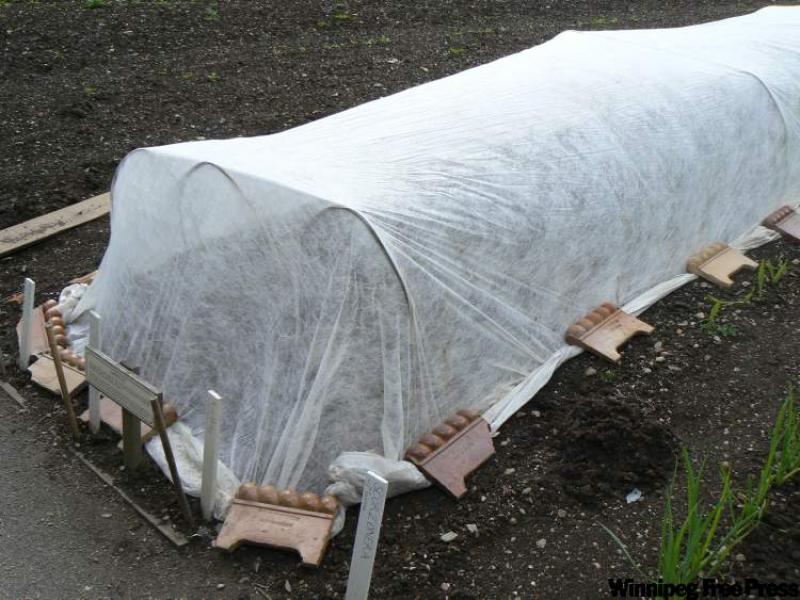
Fabric row covers exclude insects that eat our fruit or vegetables or lay their eggs on them such as cabbage butterflies on cabbages, cauliflower and broccoli. Homemade or commercial plant collars can by placed around young tomato, pepper or cabbage transplants to prevent cutworm damage. Circular or square mats prevent the adult onion maggot flies from laying their eggs at the base of members of the onion family.
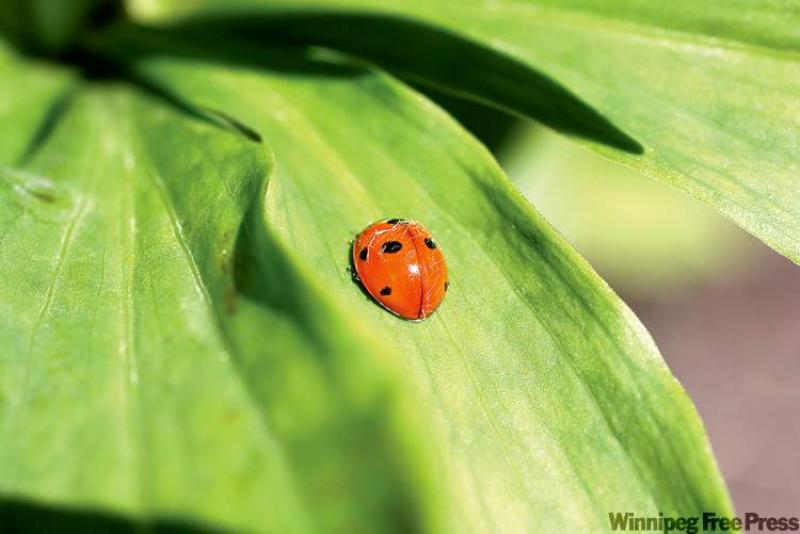
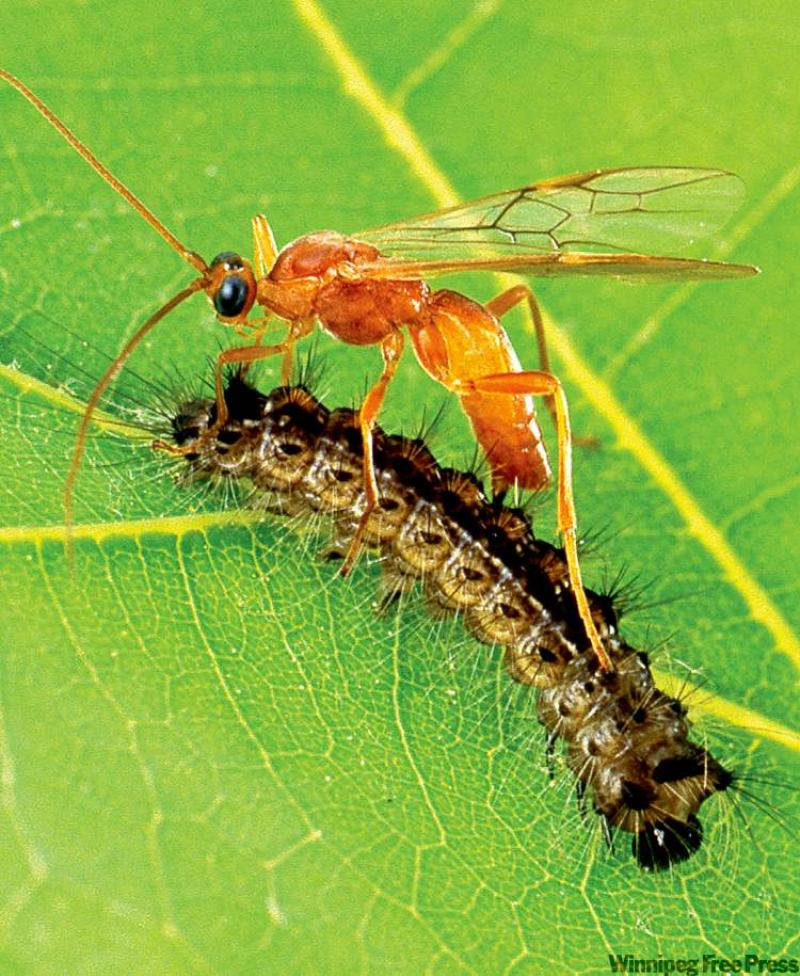
-- Less toxic alternatives include insecticidal soaps, diatomaceous earth, and horticultural oils. Biological controls range from the lady beetles that your grandmother was familiar with to parasitic wasps that lay their eggs within the bodies of harmful insects. Avoiding broad-spectrum insecticides allows these beneficial insects to quietly go about their business, doing their job, largely unsung and unseen. Among the newer biological controls are Bacillus thuringiensis, a bacteria used to control caterpillars and mosquito larvae and Bacillus subtillis, a bacteria that prevents the development of grey mould, fireblight and other diseases.
-- Weeds compete with our garden plants for space, sunlight, nutrients and water. They also harbour insects and diseases. Some have allelopathic characteristics: they produce growth regulators that inhibit the germination and growth of the very plants you are trying to nourish. While there is no magic one-step/no-effort formula for controlling weeds without chemicals, your grandmother had it right in one sense. A hoe will do the job while saving you the cost of a summer membership in the local gym. Many less toxic alternatives have been registered in the last decade. Corn gluten meal doesn't control established weeds in your lawn but prevents the germination of dandelions, lamb's quarters, purslane and other weeds. Fiesta is a chelated iron product that controls established broadleaf weeds. Horticultural vinegar is effective against weeds in their seedling stage. Sarritor is a strain of sclerotinia disease that is specific to dandelions.
-- Remember to follow label directions and safety precautions on all of these products.
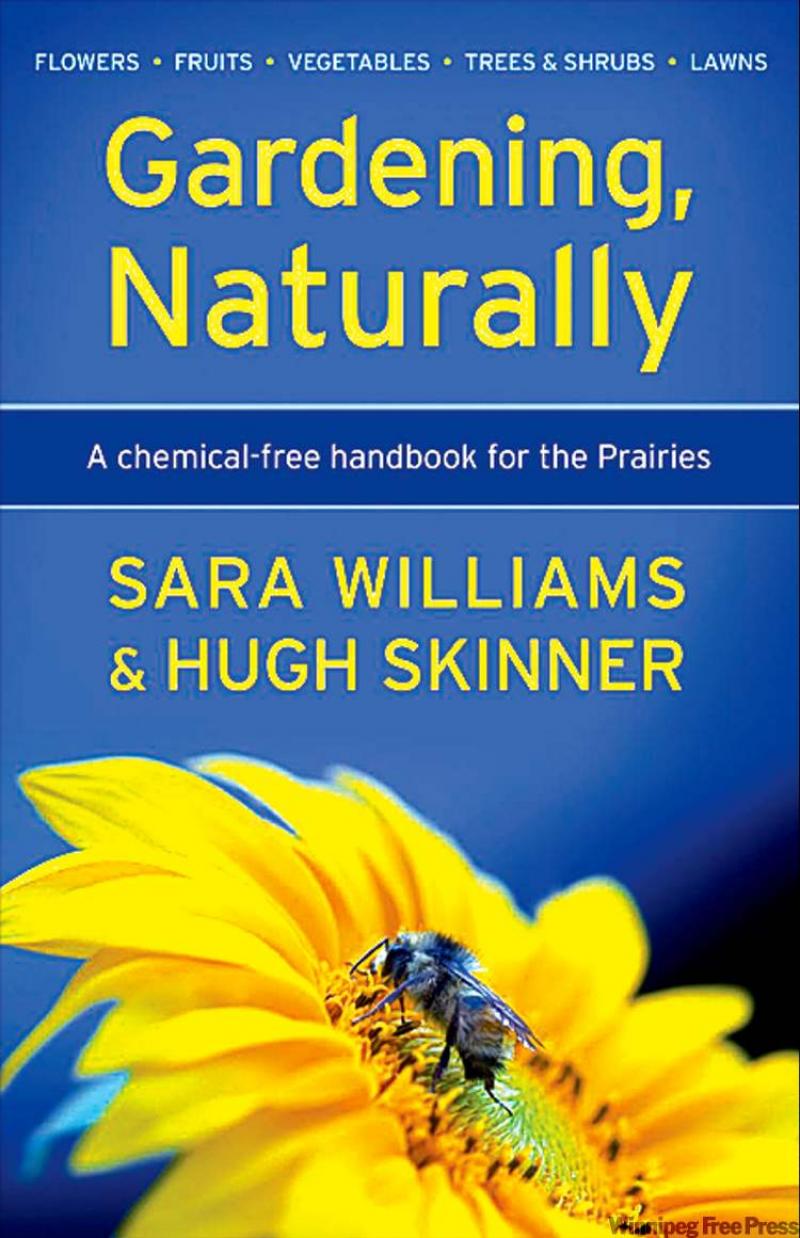
Sara Williams and Hugh Skinner are co-authors of Gardening, Naturally, A Chemical-free Handbook for the Prairies, published this spring by Coteau.