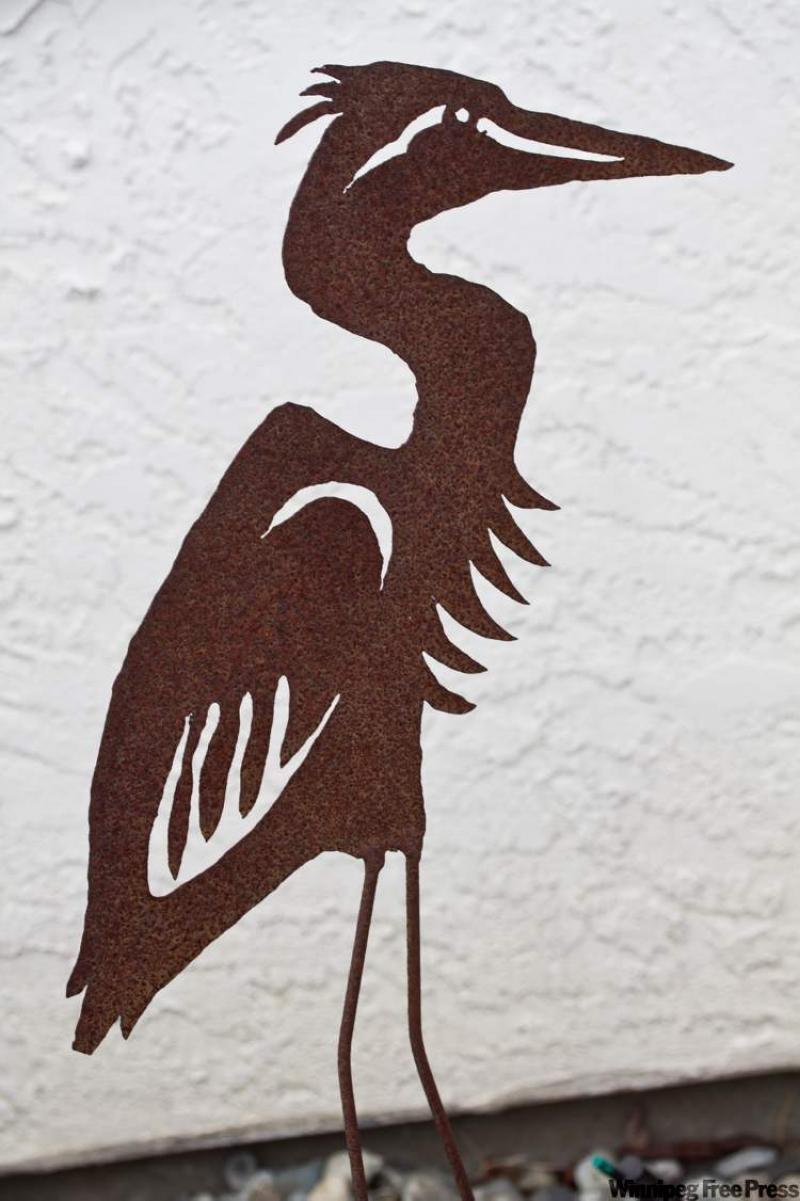
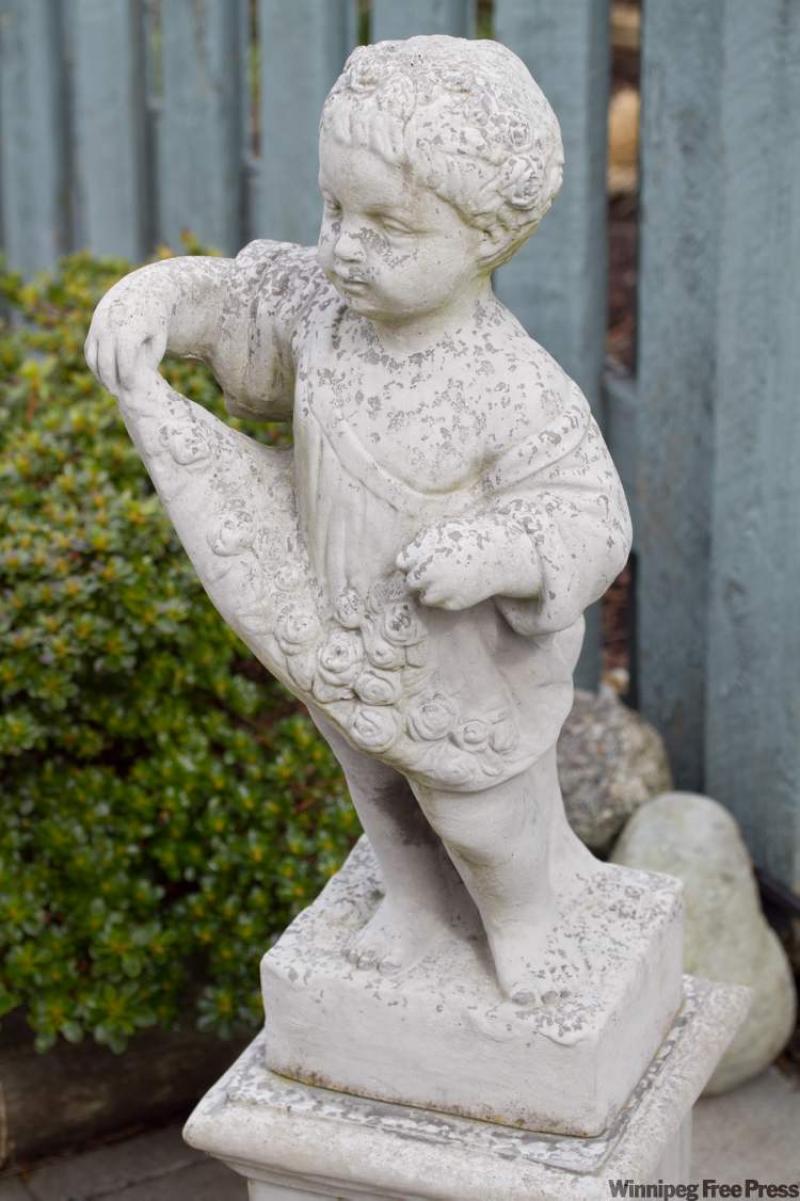

AN attractive garden is more than just plants. Well-positioned garden ornaments create points of interest and transform the appearance of the garden.
Garden accessories that bring life to a garden landscape can range from diminutive garden gnomes to a piece of outdoor art.
Decorating a garden with an ornamental planter, statuette or piece of garden art is no different than dressing up, says Barb Gergel, a master gardener and landscape designer.
"Garden ornaments are like choosing earrings to go with a dress," Gergel says. "It's the last piece, the exclamation point of a garden. It's what brings certain gardens to the next level."
But she cautions that the elements used must be in context. Gardeners should choose the pieces with attention to texture and height. Also, they should repeat the style of the house the garden is attached to.
"The design always continues on from the house," Gergel says. "Attractive gardens are never an accident."
The placement of garden ornaments is just as important. Instead of having them placed indiscriminately about, she suggests placing them where people will "find" them as they wander about the garden.
"You need to introduce an element of surprise, something that is unexpected."
Carefully chosen ornaments also add interest and structure to a garden in the winter, when the plants have died down. Different ornaments would command attention at different times of the year.
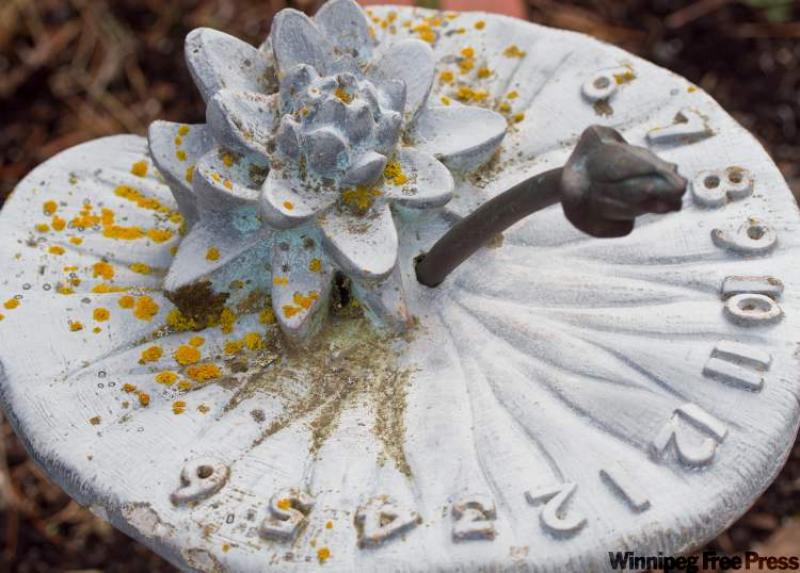
Typical ornaments in gardens range from the ubiquitous bird bath to monuments. These days, clay pots, concrete statues and other heavy ornaments have generally given way to objects made of plastic and resin that are lighter. This makes them easier to move about. Because of mass production, they are also a fraction of the cost. Ornaments can also be found in objects made from wood or metal, such as benches and stakes.
But it's not the number of objects that make a garden sparkle; it's choosing what is the most appropriate to the garden itself.
"Statuary and other garden ornaments are an integral part of gardenscape," says landscape designer Anna Saunders. "Sometimes it is a matter of personal taste. But for some gardens, certain ornaments are an absolute must.
"For example, one would expect to see urns in an Italian- or French-style garden."
Though she is happy to design a garden to a customer's tastes, she cautions against a garden style that doesn't suit the house's architecture or age. The most obvious juxtaposition would be an Oriental garden alongside a ranch-style house.
Garden elements don't always mean exclusively manmade objects. Frequently it means the careful placement of natural elements such as rocks, shells or wooden posts.
"The best combinations out there that I have seen and worked on are those where one combines natural elements and manmade ornaments together," Saunders says. "It's the mix of styles that works and allows the most fun."
-- Postmedia News