BORIS MINKEVICH / WINNIPEG FREE PRESS
The population of the city of Winnipeg grew by 6.3 per cent over the past five years, higher that the national average of 5.8 per cent.
Statistics Canada generally had good news for Manitoba with its recently released census data. The 2016 census showed that the city of Winnipeg grew by 6.3 per cent, higher than the national average of 5.8 per cent.
Winnipeg was the 10th fastest growing metropolitan area trailing all five western cities of Calgary, Edmonton, Saskatoon, Regina and Lethbridge. Most of the credit for Winnipeg’s growth is due to immigration.
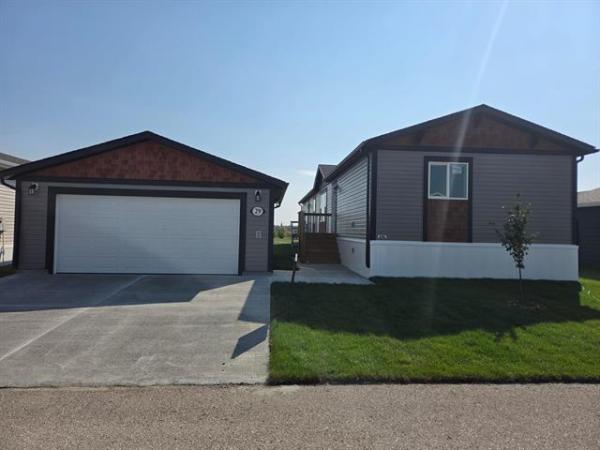
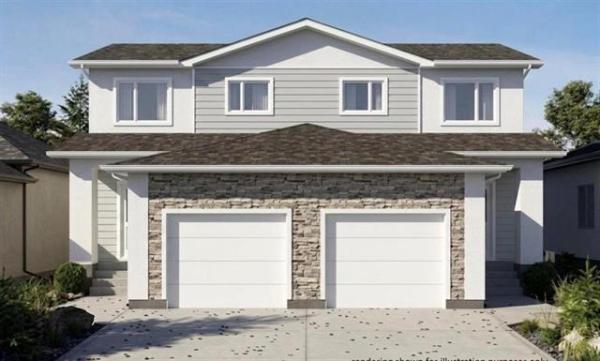
The biggest contributors to Winnipeg’s growth were in the new suburbs. Places such as Waverley West, Amber Trails, Sage Creek and areas north of Kildonan Place were identified as the primary contributors in pushing Winnipeg’s population past the 700,000 mark. Not only did these new growth areas allow for the influx of new Canadians, they also permitted those previously limited to older existing housing stock the option of a new home.
With these new neighbourhoods came new jobs, new businesses and new hopes for new Canadians.
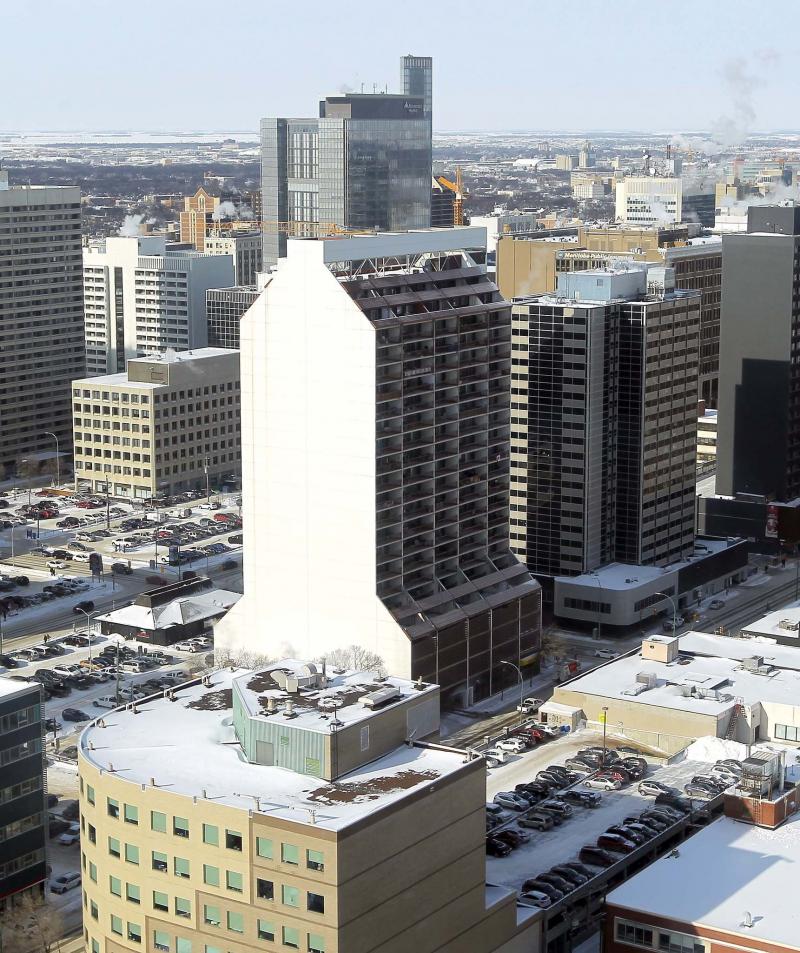
Although Point Douglas and surrounding areas to the north and east experienced the largest population decline over the past five years, the rest of what might be considered downtown Winnipeg averaged more than 230 new residents per year, good news and a turnaround for what might at one time have been considered a challenge.
The chair of CentreVenture pegged the cause of downtown growth as tax incentives to build there. He said that municipal tax rebates have resulted in millions of dollars in private investment.
Steinbach (17 per cent), Winkler (18 per cent), Niverville (30 per cent) and Neepawa (27 per cent) have lead the way provincially in growth rates over the past five years. Niverville Mayor Myron Dyck credits their growth to good planning and community champions.
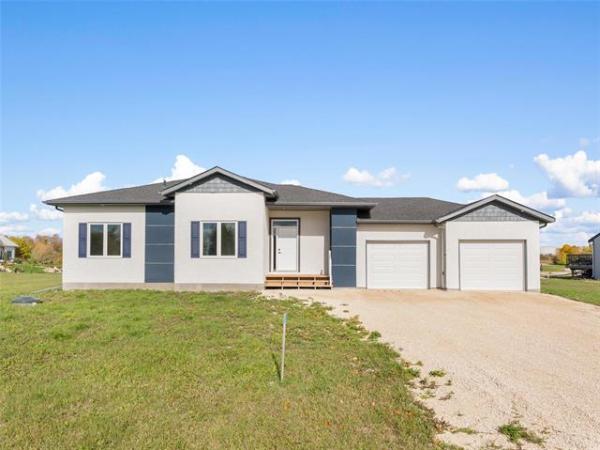
The Capital Region immediately surrounding Winnipeg continues to grow too. The rural municipalities of Ritchot, Macdonald, Headingley, Springfield, Tache and West St. Paul all grew at paces exceeding Winnipeg’s.
Where do we go from here?
All indications point towards continued growth. Manitoba remains an attractive destination for new Canadians. Our skilled trades have learned that the streets of Alberta cities are not paved with gold. Also Winnipeg is not the only option for businesses and housing to be located in Manitoba. We have numerous attributes in many locations.
One word of caution for continued growth and prosperity: we need to plan for it. There are reasons to live in a variety of housing options within the city of Winnipeg. There are also many reasons to live just outside the city in the Capital Region. And, of course, there are many reasons why our provinces’ other cities and towns offer the perfect lifestyle all on their own.
However, without proper planning for each on their own and their connectivity with each other, we are doomed to be a collection of isolated islands.
Mike Moore is president of the Manitoba Home Builders’ Association