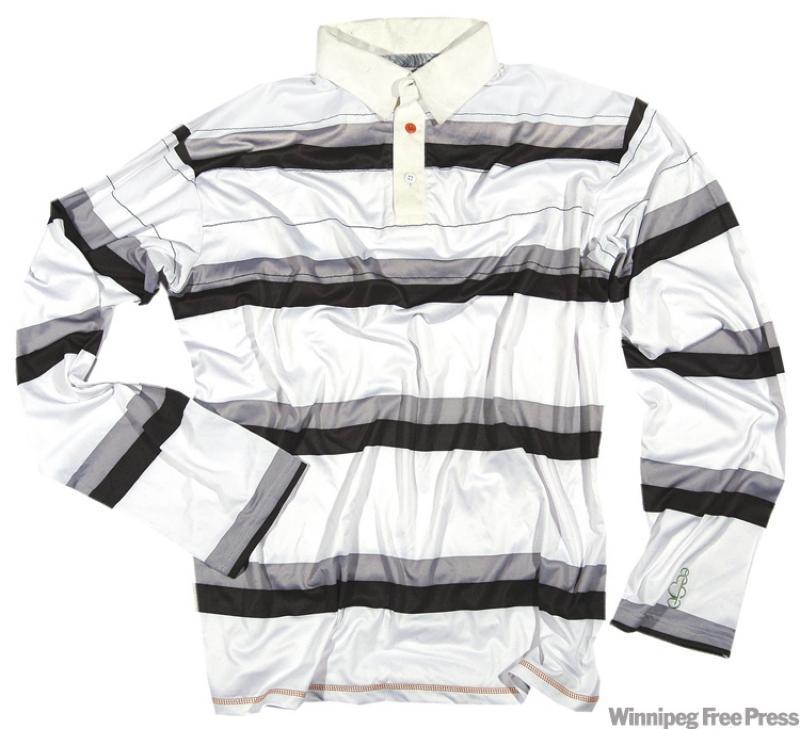
People started sewing as long as 20,000 years ago, during the last Ice Age. Archaeologists discovered bone needles with eyes, used to sew together skins and furs, dating back to this time. Perhaps it's time for us to get out a spool of thread and fix some stuff.
1. Wrinkles will vanish easily if you keep fabrics in the freezer until ready to iron.
2. Before mending a torn glove, drop a marble inside the fingertip. In the same way, before mending a torn sock push a light bulb inside the toe of a sock.
3. Have you ever noticed a "W" or "S" on fabric-care labels? The "W" stands for natural fibre and the "S" stands for manmade. "WS" stands for both.
4. Fabrics (other than silk and wool) that have discoloured due to washing with bleach can often be rescued. Boil the garments for 10 minutes in a half-cup of washing soda to 6 cups of boiling water. Wash as normal.
5. Silk and wool are two of the more difficult fibres to maintain. Care for them with caution and according to the label. If you're going to wash silk or wool at home, use borax and do not put either into the dryer. Tip: White silk yellows with ironing. Use a cotton cloth on top of silk before pressing.
6. To whiten ribbons and lace, soak them in fat-free milk for two hours before laundering.
7. If you find that your thimble is slippery, secure masking tape to the inside.
8. Lay clothes on grass to bleach. For an extra white result, begin by sprinkling the fabric with salt and lemon before sun bleaching.
9. Clothing will loose brightness due to the following factors: Loads are too big, inadequate rinsing, too much or too little detergent, and wrong water temperature.
10. Recipe for whitening cotton, nylon and polyester: In a bucket or sink combine: one tbsp citric acid, one tbsp liquid detergent, one tbsp three-per-cent hydrogen peroxide and half-cup water. Let soak 20 minutes and wash as usual.
11. When hanging clothing on the line to dry, spray them lightly with water to prevent wrinkling. Tip: Spray fabric with vinegar to remove creases during ironing.
12. Use soap slivers instead of expensive tailor's chalk to mark fabric before sewing.
13. Before hemming, mark a ruler with a rubber band to create an easy guide.
14. Remember to take the time to check out the filter in your washing machine. Normally it is self-cleaning but on occasion it becomes caked with fabric softener and other residues. If this happens you will notice your clothing start to smell bad.
15. In a pinch, use white thread coloured with permanent black marker to make black thread.
16. Make your own saddle soap! Combine one-quarter cup Ivory bar soap (grated), one-quarter cup linseed oil, and one-half cup beeswax. Melt over low heat and add one-quarter cup of white vinegar. Cool and use to buff leather.
17. Recipe for fabric whitener: Combine two cups hot water, one cup baking soda, one cup hydrogen peroxide. Soak fabric for 30 minutes. Wash according to label instructions.
18. Tackle ring around the collar with a stronger solution of cheap shampoo or apply mechanics hand cleaner. Scrub and wash as normal. Test on an inconspicuous area.
19. Sticky glue on fabric can be cleaned using Dawn dish detergent and water.
20. Remove soot on shirts by applying Crisco to the area; follow that with dish soap and hot water. Next, wash according to care label.
21. Put rubbing alcohol on a shirt that smells of grease. The smell of rubbing alcohol will disappear within a few moments.
22. Sewing buttons on a shirt just got easier. Use a toothpick to help keep the buttons in place. Put a toothpick underneath the button and sew. Doing this will prevent the button from being sewn on too tightly.
Feedback from Fabulous Readers:
Dear Reena:
I just read your column of January 10th regarding the inquiry about the wine decanters which were cloudy. The reason for my note is that several years ago there were reports in the media that the lead from lead crystal containers could leach out into the liquid in the container and therefore could present a health problem if the liquids were consumed. Just letting your readers know it is not a good idea to store liquids in crystal decanters. Betty
I enjoy your questions and tips, keep them coming!
Reena Nerbas is the author of the national bestselling Household Solutions series. You can contact her at Box 429, Blumenort, MB, ROA 0C0.
www.householdsolutions.org