Sage Garden Greenhouses
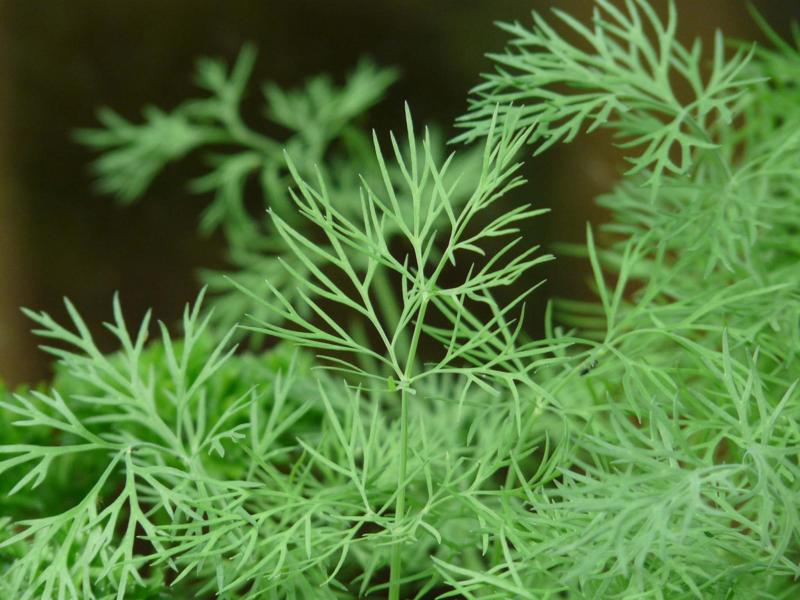
Making a fresh pot of potato and leek soup? Add some homegrown leafy dill.
Baker Creek Heirloom Seeds
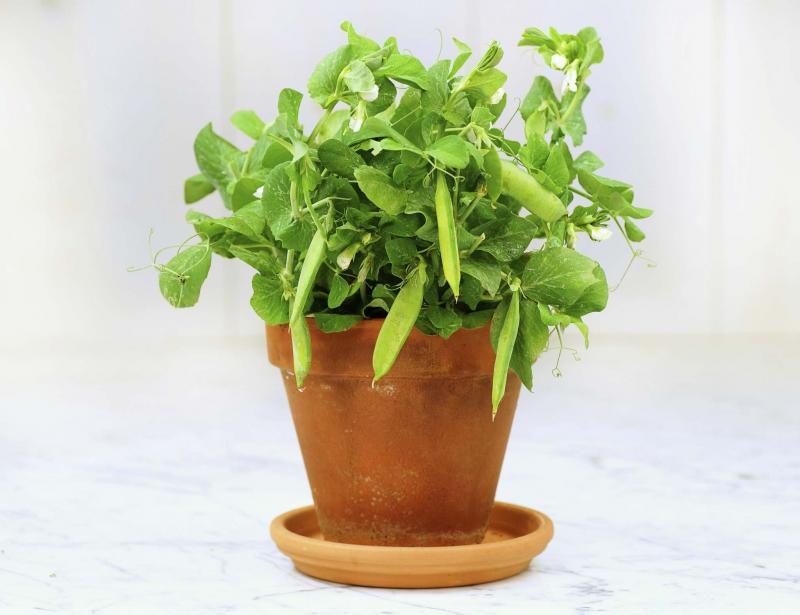
Tom Thumb Snow Pea can be ready to harvest indoors in a matter of weeks.
Sage Garden Greenhouses
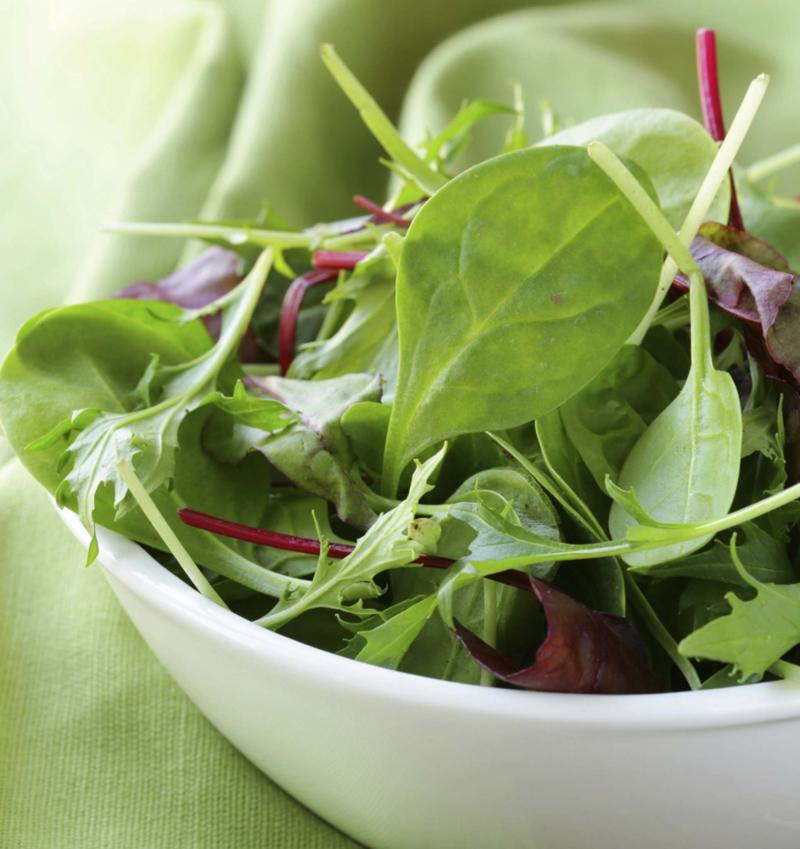
Baby greens such as spicy-flavoured mesclun can be highly productive indoors when grown under lights.
Sage Garden Greenhouses
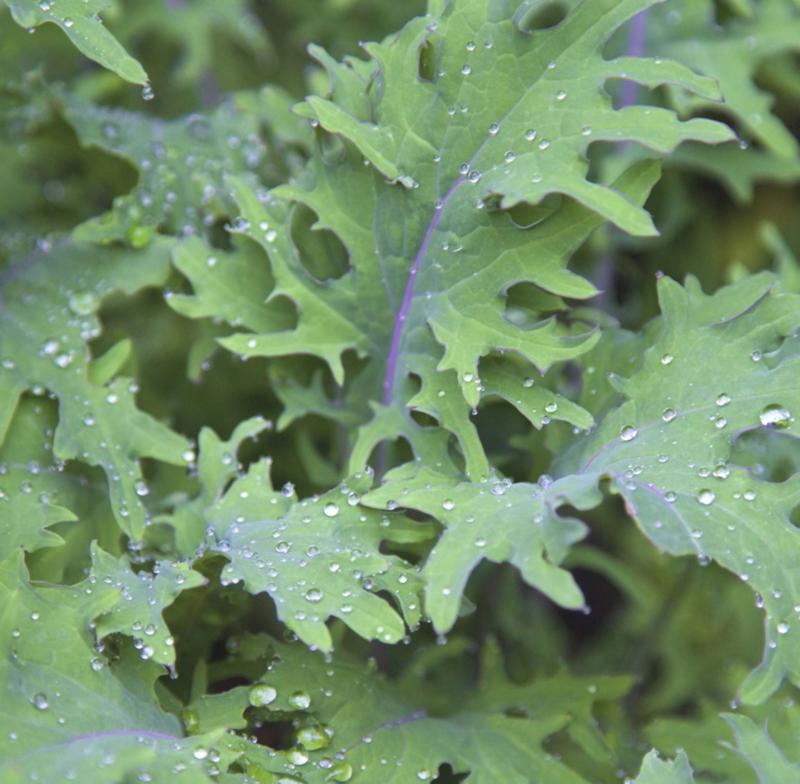
Grow Red Russian kale on your countertop and enhance your kitchen aesthetics and your taste buds.
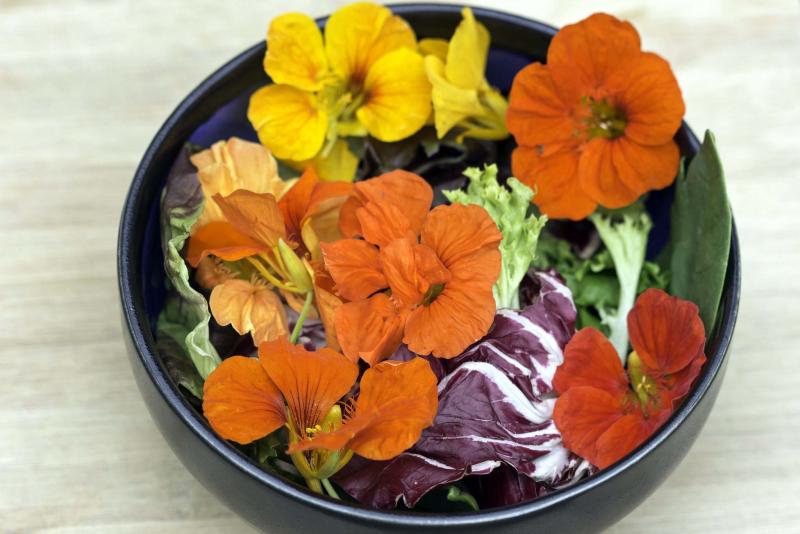
Nasturtium’s crinkly, brightly coloured petals with prominent nectar-bearing spurs are so deliciously pretty. Nasturtium, providing it is organically grown, is a favourite among gardeners and chefs for not only the peppery watercress flavour of the edible flowers, leaves and seed pods, but also its nutritional value as a source of vitamin C.
Imagine the tantalizing possibilities, both edible and aesthetic, of growing a pot or tray of flowering nasturtium on your kitchen counter this winter. In addition to satisfying your green thumb as well as your palate with nasturtium, there are numerous other types of winter greens that you could be growing indoors this winter. Indeed, you could have a veritable smorgasbord of colourful edibles with a combination of sweet or savory flavours but above all, that wonderfully fresh, crisp taste so hard to find in the dead of winter.
Why not start a new family tradition this winter by growing your own food indoors? Take control of your budget, know exactly where your food comes from and how it is grown and, conceivably, convince some of the most stubbornly resistant members of your family to eat their veggies. The concept of growing fresh edibles indoors when it is snowing and bitterly cold outside is so radically appealing that even the most veggie-averse among us might sneak a shell pea or two off tiny Tom Thumb, an heirloom favourite that dates to the mid-1800s, simply because they can.
Like nasturtium, Tom Thumb peas can be grown indoors under light. So too can mesclun, with its spicy bite, kale, dill, arugula, leafy beets, cilantro and so much more. Dave Hanson, owner of Sage Garden Greenhouses, is a keen advocate for growing edibles year-round.
This fall, Sage Garden is launching its own in-house brand of organic seeds (not pretreated with pesticides) that are meant to be grown indoors for a continuous harvest of cut-and-come-again edibles. Winter greens, albeit tasty and abundant, says Hanson, are more like baby greens when compared to full-size veggies grown outdoors during the summer months. What matters, though, is that they can be ready to harvest in a matter of weeks. Let’s see: If you begin sowing fresh seeds now, you could be tossing your own homegrown gourmet lettuce blend in 21 days. Perhaps you are a connoisseur of Red Russian kale, a nutritious superfood with deeply lobed leaves and a sweeter taste than its frilly-leaved relatives.
These dwarf or compact varieties should be sown differently when they are grown indoors under lights. "Whereas spring seedlings are typically sown a few seeds per plug cell and then transplanted to larger pots or the garden to grow into full-sized plants," says Hanson, "winter greens are sown thickly." Since baby greens have shallow root systems, shallow trays or pots with drainage holes are all that is needed in the indoor environment, he adds. The mature size of most baby greens is about 10 to 15 cm tall, larger than microgreens and complete with all of the detail — veining, colourful stems — found in outdoor greens, but on a smaller scale.
Depending on the variety you choose, greens are ready for first harvest in 21 to 35 days. Hanson’s preference is to use a soil mix that is 50 percent nutrient-rich compost with a peat-based soilless mix. One advantage of this, he says, is that nutrients are built right into the soil so that a fertilizing regimen is not required. In addition, he adds, pests and diseases are much less likely to occur.
Growing baby greens indoors during the shorter, low-light days that characterize our climate’s winter months can be highly productive, providing there is the light intensity essential to healthy growth. The use of artificial light maintains consistent intensity and duration, reducing the effects of varying indoor natural light conditions (a windowsill or south-facing room, for example) as well as the time of day.
Plants absorb light primarily in the red and blue part of the spectrum. Simple, full-spectrum compact fluorescent bulbs with an output of 6400 Kelvin provide all the colours of the rainbow and are comparable to sunlight. The light is bright, beautiful and long lasting. Even with the pending increase in Hydro rates, fluorescent bulbs remain very affordable since their energy consumption is low.
Hanson says that full-spectrum light is also very appealing from a human perspective, since it is equivalent to the intensity and quality of light used to treat Seasonal Affected Disorder (SAD).
All-in-one lighting kits such as the Growlight Garden are perfect for growing your own salad greens and easily fit onto your kitchen counter or centre island. Equipped with two 6400 Kelvin T5 fluorescent lights, this compact grow system has a metal tray that acts as a reservoir for water, wicking up moisture from the damp capillary matting in the tray and into the potting mix inside the planted seed trays above.
For a do-it-yourself indoor garden, T5 full-spectrum grow lights can be purchased separately and installed under kitchen cabinets or inside a shelving unit. For his personal indoor kitchen garden, Hansen is under-mounting 60 cm-long T5 lights inside a metal cabinet that has two glass doors. While the doors will help to mimic a greenhouse effect by increasing the humidity, Hanson plans to open them daily for about an hour to ensure good air circulation. A small fan nearby or installed above each tier of plants is also useful for ventilation to inhibit fungal growth associated with damping off.
Hanson also recommends using kelp as a supplement from the first watering and perhaps incorporating worm castings, both of which have been scientifically proven to prevent fungal problems.
How often should you manually water your indoor garden? Use your finger to measure soil moisture, bearing in mind that most plants prefer to be slightly on the dry side as opposed to excessively moist. Basically you will need to water one to two times weekly — not an onerous commitment.
After the first harvest, your baby greens are ready to be cut down again in as little as 10 days (providing you are growing them beneath full-spectrum lights). Planning ahead allows you to stagger your plantings for a continuous harvest. Also known as succession planting, this allows you to have a highly productive indoor garden, one that could make a sizeable dent in your grocery bill. After three, perhaps four harvests of one particular tray or container, it’s time to sow again as plants become root bound.
Room temperature has the capacity to impact the rate of growth, depending on the plant variety. Basil, for example, grows best under lights in a warm room (about 21 or 22 degrees Celsius). Salad greens, on the other hand, grow best in slightly cooler temperatures.
Interested in growing wheatgrass for your smoothies? Hoping to aid your cat’s digestive system by growing cat grass? Perhaps you would love to be able to add fresh leafy dill to your potato and leek soup or surprise your company with a salad you grew all by yourself. An indoor kitchen garden makes it easy and accessible.
colleenizacharias@gmail.com