MANY gardeners in cities and towns throughout Manitoba maintain two gardens -- one at their year-round residence and one at the cottage. It makes for an interesting learning experience as the challenges are so uniquely different.
Becky Slater, a physiotherapist and busy mother of three, describes the lessons learned from gardening in a remote location while also caring for an urban shade garden in Winnipeg.
Next week's gardening column will feature a primer on garden photography by professional photographer Damien Bilinsky of Don's Photo, with expert tips on taking the perfect landscape shot or close-up.
- Colleen Zacharias
My gardens in Winnipeg and Blueberry Island are 21/2 hours apart and represent the difference between shaded river gumbo and the Canadian Shield.
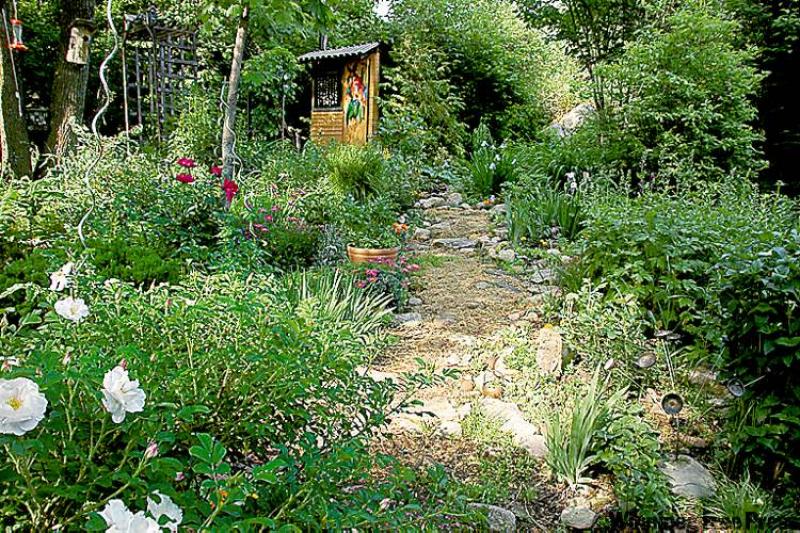
The island garden was created out of a mess of fallen trees. It began as a clean-up project one afternoon when my mother took my three kids off my hands. Several huge white pines had fallen on top of each other years ago, making a big composting mess. Once the debris was removed, a rocky slope was left -- wet in the spring and hot and dry in summer.
Water from the top of the island runs deep along the shield rock below the soil, giving the garden richness. The trees that remain standing shelter it from wild winds that come from the west. I planted a single impatience one summer, and it was so colorful and huge that the gardener in me was stirred.
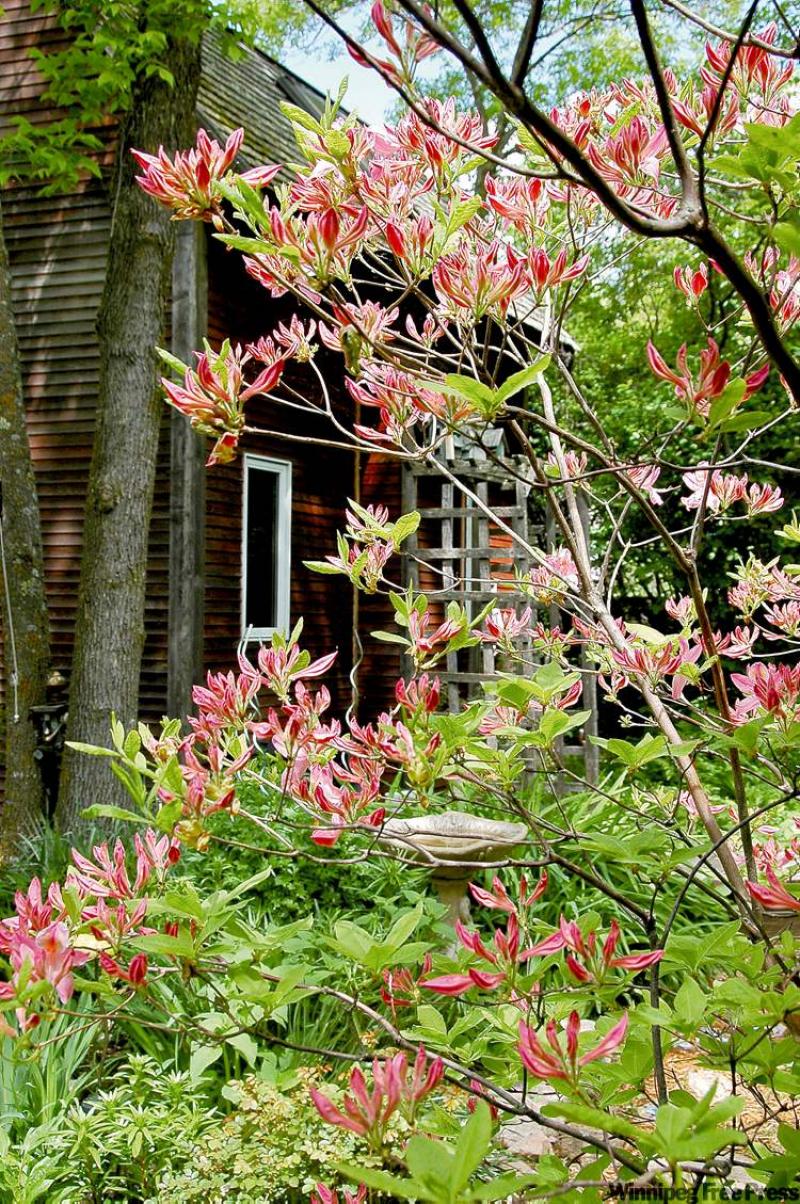
I dug the ground, mining rock and filling the holes with bagged soil and the compost and leaf mulch that was lying around. I planted my first rhododendrons and roses in those holes and learned about the soil's impact on perennials.
I planted things I loved but soon found that the hot island sun didn't help the plants survive while I was back in the city tending my urban garden. The rhododendrons and roses needed mulch to prevent the loss of moisture. The garden at the lake taught me a great deal about plants and how they grow.
I thought more about what I could grow in that space with the level of care I was able to give. I learned to create a garden that was independent of me, yet reliant on me as well. I chose plants that love sun, ones that explode with growth when wet but tolerate extended dry conditions, and those with the ability to root around rocks and multiply.
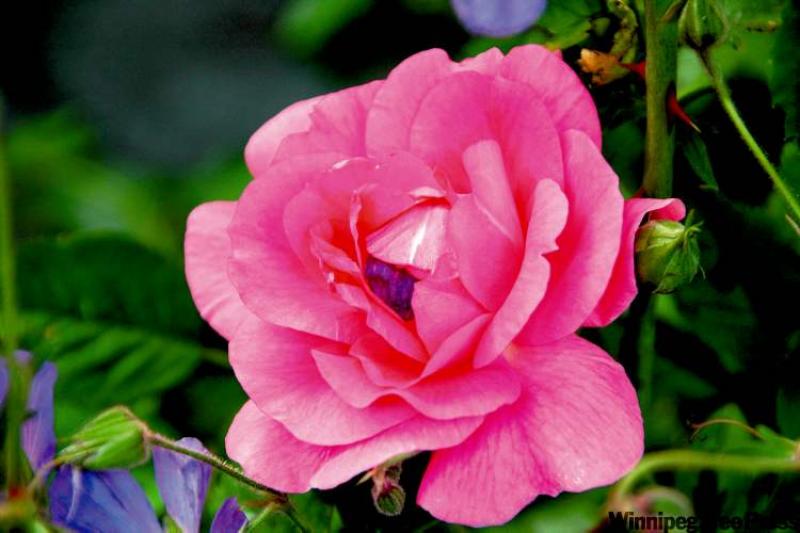
The soil on Blueberry Island is acidic, light and full of compost, unlike the alkaline soil in my Winnipeg garden that has the consistency of gumbo. When I removed the rocks, brought them to the edge of the garden and filled the holes with manure, the roses started to flourish. The rhododendrons needed some shade and even more compost.
Then the delphinium made an impact when combined with daisies, grasses, aquilegia (columbine), dianthus (cottage pinks and sweet william), clematis and chelone (turtlehead). Soon these were joined by eupatorium (Joe-Pye weed), cranesbill, geum, helianthus, hemerocallis, monarda, nepeta, paeonia, sedum, polygonatum (solomon's seal), sempervivum (hens and chickens), tanacetum (painted daisy), trillium, lupine, aconitum (monkshood) and echinacea (coneflower).
These are just some of the really hardy plants that have grown in abundance in the garden at our summer home. Whenever people come to visit they usually leave with a small offering. This garden, so generous in size, has allowed me to give and receive.
A remote garden is not without its challenges, though.
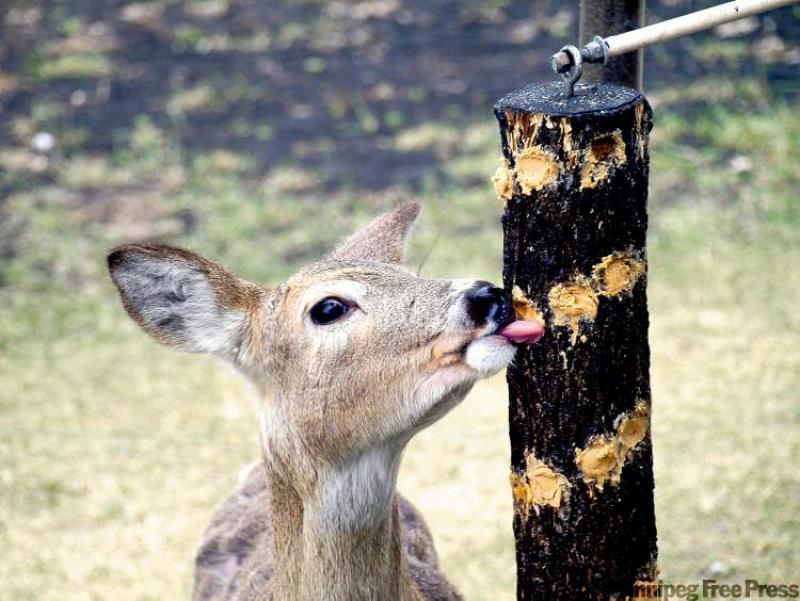
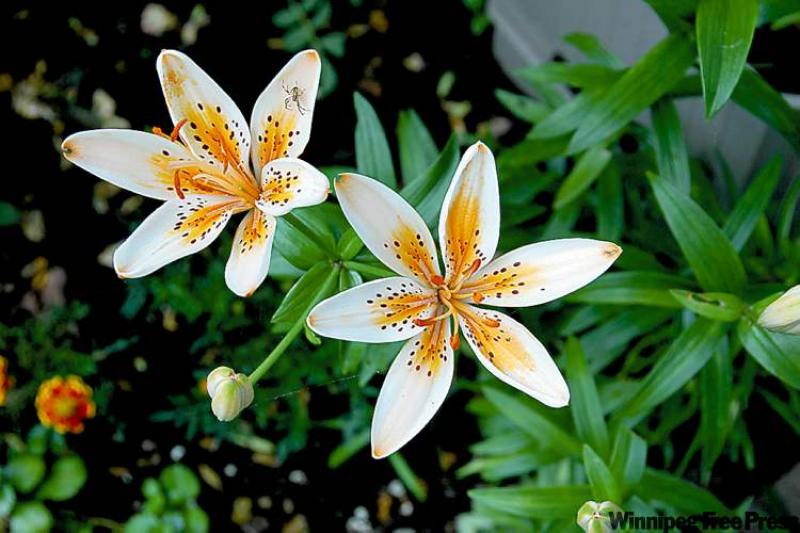
I soon discovered that some plants were happy and others just don't work. I've had bears sit on plants in the garden, causing irreparable damage. Deer eat my beautiful lilies as they emerge from the soil, all hope of blooms gone in a mouthful. I've had bunnies eat the succulents, although the arrival of a lynx one winter dramatically reduced their numbers -- the bunnies, that is. (Thankfully, the lynx moved on as well.)
Gardening at the cottage is a unique experience and soil, sun, water and plants are only some of the variables. The birds, bugs, frogs, turtles, bears, beavers and all the other wild things are all part of the fun. Did I mention the dog and children that also affect the garden in any number of ways?
My second garden is in the city where I have time to really nurture the plants. This garden gets more shade and even moisture, as well as consistent soil care because it isn't remote and on an island. Its smaller size allows it to be more finely tuned.
My urban garden has taught me about colour. I've paid more attention to structure and incorporated more shades of green, purple and chartreuse. Different hues of green are so lovely in the shade, and I've worked on vignettes that are so much fun to create.
Gardens teach you patience as well as lessons about soil and growing conditions. As I kneel and work the earth at my garden at the lake, smelling the roses and glancing up at one of my 10-foot rhododendrons, I realize that the trees I planted many years ago are gradually turning my once-sunny plot into a shade garden.
My children have grown up, too, just like the garden, both changing and challenging me in creative ways.